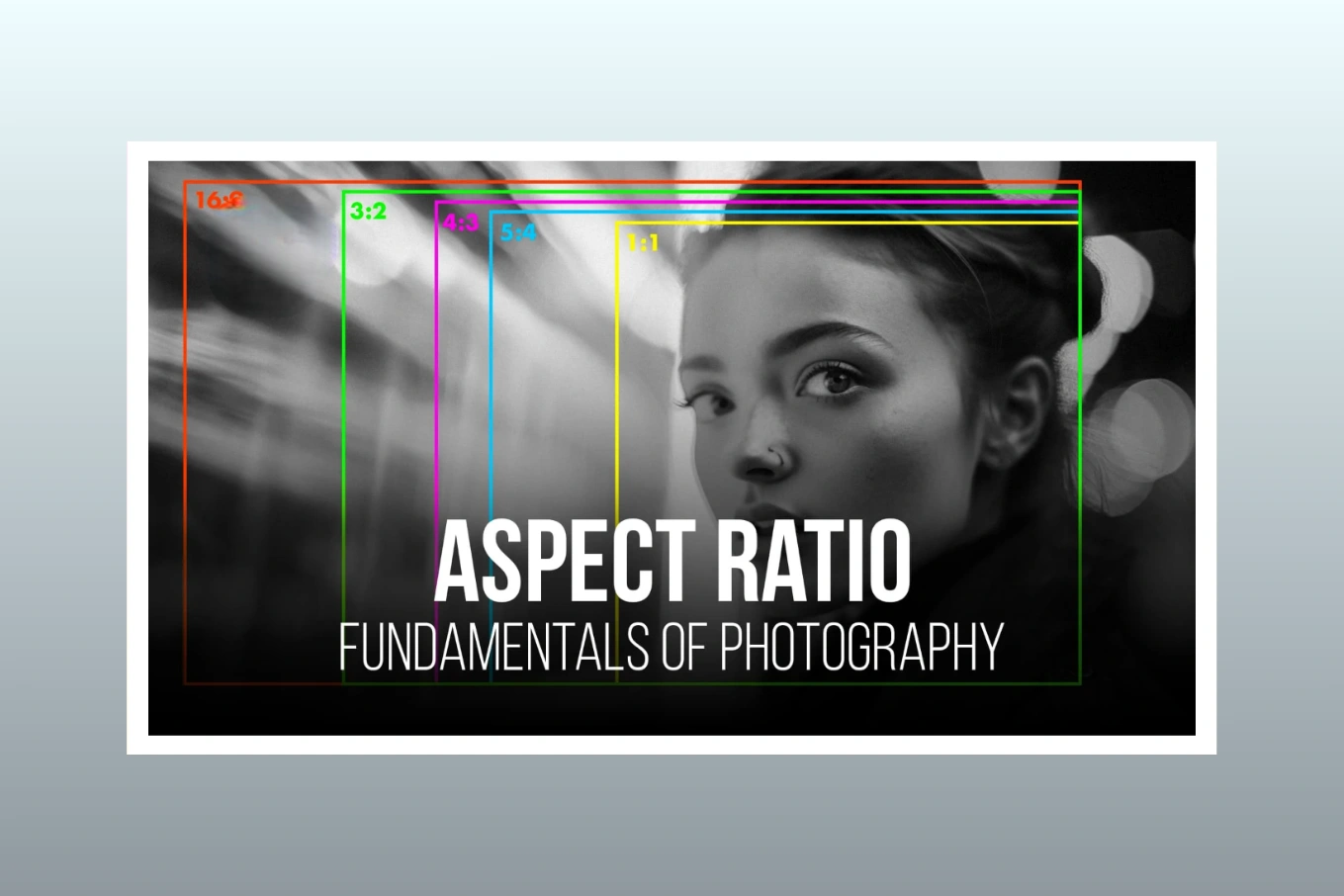
16:9 vs 4:3: What is Aspect Ratio for Your Photos and Videos
Cutout Partner
March 10, 2026
0 views
In the world of photography and videography, understanding aspect ratios is not just a technical detail; it is a fundamental decision that shapes the composition, visual appeal, and effectiveness of your work. Every creative professional—from studio managers to ecommerce sellers, product photographers, and videographers—must navigate the choice between different aspect ratios, primarily the widely used 16:9 and 4:3 formats, to ensure that their images and videos communicate their intended message while aligning with platform standards. Aspect ratios influence not only the framing and aesthetics of an image but also the audience’s perception, engagement, and ultimately, commercial performance.
Selecting the correct aspect ratio is particularly critical for ecommerce, where product presentation directly impacts consumer trust and conversion rates. High-quality, consistently formatted images increase the perceived professionalism of an online store and enhance the overall user experience. Similarly, in video production, choosing the wrong aspect ratio can distort visuals, reduce cinematic impact, and create compatibility issues across different display devices. Professional photo retouching services, such as those offered by Cutout Partner, play a vital role in optimizing images and videos for any chosen aspect ratio, ensuring both aesthetic quality and technical precision for global audiences.
Understanding Aspect Ratios

An aspect ratio is a proportional relationship between the width and height of an image or video. It is typically expressed as two numbers separated by a colon, such as 16:9 or 4:3. These numbers describe the ratio of width to height and serve as a guide for framing, composition, and output formatting. Understanding aspect ratios is essential for maintaining visual consistency, avoiding unnecessary cropping, and ensuring that images or videos fit the intended display medium without distortion.
Common aspect ratios include 16:9, 4:3, 1:1, and increasingly vertical ratios like 9:16 for mobile-first content. Each ratio carries its own set of applications and aesthetic implications. In photography, 4:3 offers more vertical height and is often preferred for studio shots, portraits, and detailed product images. Conversely, 16:9 is favored in video production and widescreen photography for its cinematic, immersive appeal. The choice of aspect ratio influences the viewer’s focus, the narrative conveyed through composition, and the compatibility with digital platforms
What is 16:9 Aspect Ratio?
The 16:9 aspect ratio emerged as the standard for modern digital media, including HDTV, online streaming platforms, and widescreen monitors. Its widescreen format provides an expansive field of view, allowing creators to compose immersive visuals that draw the viewer into the scene. One of the key advantages of 16:9 is its cinematic quality, making it ideal for video projects, online advertisements, and multimedia presentations.
16:9 is particularly effective for platforms like YouTube, where widescreen video enhances the viewer’s experience and maintains consistency across various display sizes. For product videos, this ratio offers sufficient horizontal space to showcase multiple items, demonstrate product features, or incorporate lifestyle elements without compromising the main subject. In photography, 16:9 can be used creatively for panoramic product shots, ecommerce banners, or content that will later integrate seamlessly into video formats. Professional post production, such as color grading, background adjustments, and shadow creation from agencies like Cutout Partner, ensures that images maintain sharpness, color accuracy, and visual balance in this widescreen format.
What is 4:3 Aspect Ratio?
The 4:3 aspect ratio has historical significance in traditional photography and early television screens. It provides a slightly taller vertical frame than 16:9, which can be advantageous when emphasizing height, details, or close-up compositions. This ratio remains widely used in studio photography, product catalogs, and scenarios where vertical elements are important.
For ecommerce product photography, 4:3 offers more flexibility in framing tall items such as bottles, apparel, or electronics. It allows photographers to maintain detail without excessive cropping, ensuring that the entire product fits comfortably within the frame. Additionally, 4:3 maintains proportional integrity when creating print materials, catalog spreads, and square-crop adaptations for social media. Agencies like Cutout Partner support the optimization of 4:3 images by performing precise retouching, background enhancement, and shadow creation, ensuring that products look consistent and visually appealing across multiple platforms.
Comparing 16:9 vs 4:3 for Photography
When evaluating 16:9 versus 4:3 in photography, the differences in framing and composition become immediately apparent. The 16:9 format emphasizes width and is excellent for environmental shots, group product displays, or images that require cinematic storytelling. In contrast, 4:3 offers a taller frame, suitable for single-item product photography, detailed close-ups, and portrait-style compositions.
For ecommerce, the choice between these ratios impacts visual hierarchy, cropping decisions, and the overall impression of the product. A 16:9 image of a single product might leave excessive empty space, whereas a 4:3 composition ensures the product fills the frame optimally. Real-world examples include fashion shoots where 4:3 accommodates vertical clothing shots or electronic product photos that require accurate representation of height and proportions. Post production by professional editors, including background cleanup, color correction, and shadow adjustments, ensures that whichever ratio is chosen, the final images are clean, consistent, and ready for online display.
Comparing 16:9 vs 4:3 for Video Production
In video production, aspect ratios are critical for storytelling, audience engagement, and platform compatibility. A 16:9 ratio provides a cinematic experience and is the default standard for most online video platforms, including YouTube, Vimeo, and streaming services. It allows creators to compose wide shots, incorporate multiple subjects, and produce a visually immersive experience.
Conversely, 4:3 may be chosen intentionally for stylistic or archival purposes, or for content primarily intended for traditional display screens. The ratio affects camera setup, framing decisions, and post-production workflows. Videographers must consider whether the project will be displayed on widescreen monitors, mobile devices, or embedded within a social media feed. Agencies like Cutout Partner can assist in post-production by ensuring color consistency, eliminating visual distractions, and optimizing the final export for the selected aspect ratio without compromising quality or detail.
Impact of Aspect Ratio on Ecommerce Product Images
For ecommerce sellers, aspect ratios directly influence product visibility, user experience, and sales performance. A consistent aspect ratio across a product catalog creates a uniform and professional appearance, reinforcing brand credibility. Choosing the wrong ratio can lead to inconsistent cropping, distorted images, or misaligned visuals, which may confuse shoppers and reduce conversion rates.
16:9 images are useful for banner-style displays, lifestyle product shots, or marketing campaigns that require panoramic compositions. 4:3 images are more effective for standard product listings, single-item frames, and vertical emphasis. Professional post production, including background removal, color correction, and shadow creation by Cutout Partner, ensures that products are presented accurately, attractively, and consistently across all ecommerce platforms, improving engagement and trust among potential buyers.
Practical Tips for Choosing the Right Aspect Ratio
Selecting the appropriate aspect ratio requires considering content type, audience, platform requirements, and brand consistency. Studio managers and photographers should evaluate whether the visual narrative demands a wide cinematic frame or a taller, detail-oriented composition.
Balancing artistic intent with technical constraints ensures that the images and videos are versatile across multiple platforms. For example, a product photo shot in 4:3 can be adapted for social media square crops, while a 16:9 video may need minor adjustments to fit vertical mobile displays. Workflow tips include pre-planning the frame during the shoot, maintaining consistent lighting, and collaborating with professional post-production teams such as Cutout Partner to optimize each image for the intended aspect ratio.
16:9 Aspect Ratio – When to Use It
The 16:9 aspect ratio is ideal for projects that require a wide, cinematic appearance and a visually immersive experience. This ratio works best in scenarios where horizontal space enhances the composition and storytelling. Common applications include:
- Video content such as YouTube videos, films, online courses, or widescreen presentations.
- Photography that emphasizes horizontal elements, including landscapes, panoramic shots, and lifestyle imagery.
- Displays on modern monitors, HDTVs, and widescreen devices, ensuring content appears consistent and visually appealing across platforms.
Using 16:9 allows creators to capture expansive scenes and maintain a professional, polished look that is particularly effective for digital media, streaming, and promotional content. Professional editing services, such as those offered by Cutout Partner, can optimize 16:9 images and videos by adjusting framing, color balance, and shadows to achieve high-quality results suitable for any platform.
4:3 Aspect Ratio – When to Use It
The 4:3 aspect ratio is a more traditional and balanced format, making it ideal for photography, print, and projects where vertical space or detailed composition is important. This ratio works best in situations that require tighter framing or emphasize the height of the subject. Common applications include:
- Portraits or subjects where vertical height and proportional accuracy are important.
- Print photography such as catalogs, brochures, and studio shots where the final image may be reproduced in various sizes.
- Compositions that are tighter and more square-oriented, helping to focus attention on the subject without unnecessary empty space.
Using 4:3 allows photographers and studio managers to maintain precise framing and visual balance, particularly for detailed product shots or portrait photography. Professional post-production services, like those from Cutout Partner, ensure that images retain sharpness, color consistency, and clarity while optimizing them for print or digital display across multiple platforms.
The History Behind 16:9 and 4:3 Ratios
The 4:3 aspect ratio was the standard in the early years of television and remains an iconic format in photography and classic film. Early silent films were often shot using this near-square ratio, giving screens a familiar, compact shape that many viewers remember from childhood. When sound was introduced in cinema, the aspect ratio was slightly adjusted to 1.37:1 (instead of 1.33:1), widening the frame by about 4%. This subtle change allowed sound to be better integrated into films while maintaining the classic 4:3 framing that audiences were accustomed to.
As home televisions became more popular, moviemakers sought ways to draw audiences back to theaters. This led to the adoption of the 16:9 aspect ratio in film and television, providing a wider, more immersive frame that enhanced storytelling and created a “larger-than-life” cinematic experience. The wider frame successfully attracted more viewers to cinemas, and today, 16:9 has become the standard for modern television, streaming platforms, and online video production, offering a consistent widescreen experience across devices.
When it comes to choosing the best aspect ratio for photography or video, the decision depends on your project and medium. For video, 16:9 is the default choice, providing cinematic appeal and compatibility with modern platforms. For photography, 4:3 or 3:2 ratios are commonly used, offering flexibility for print, product images, and studio work. A practical approach is to experiment with different ratios in your camera settings, allowing you to see how each frames your subject and influences composition.
Ultimately, an aspect ratio defines the width-to-height relationship of a frame, shaping how your images or videos are perceived. The goal of both photography and videography is to capture moments that are visually compelling, well-composed, and enjoyable for your audience. Choosing the right aspect ratio ensures that your work is presented in a professional, aesthetically pleasing way that enhances storytelling, product display, or brand presentation.
Post Production and Aspect Ratio Adjustments
Post production plays a crucial role in adapting images and videos to different aspect ratios. Cropping, resizing, and reframing must maintain composition integrity and visual balance. Tools such as Adobe Photoshop, Lightroom, and Premiere Pro allow precise control over aspect ratios, but human expertise ensures that no critical details are lost.
Cutout Partner, as a premium photo retouching agency, provides advanced services including shadow creation, background adjustments, and color correction tailored to each aspect ratio. Their expertise ensures that images maintain clarity, sharpness, and aesthetic consistency regardless of whether the content is delivered in 16:9, 4:3, or another custom ratio.
What Happens When You Choose the Wrong Aspect Ratio
Choosing the wrong aspect ratio for your photos or videos can lead to cropping issues, distortion, or inconsistent presentation, which negatively affects visual quality and audience perception. For instance, displaying a 4:3 image on a 16:9 monitor will either leave borders on the sides of the image or require stretching, which distorts the subject. Attempting to fill the wider 16:9 frame with a 4:3 image typically results in important portions of the photo being chopped off, reducing composition accuracy and visual appeal.
The same principle applies when presenting a 16:9 image in a 4:3 layout, such as printing a widescreen shot in an 8×10 frame. Parts of the original image may be cropped, eliminating key elements, or the image may need to be resized in a way that stretches or compresses the content, creating a visually unappealing result.
These issues highlight why it is critical to choose the correct aspect ratio before capturing a photo or recording a video. Planning ahead ensures that the content fits the intended display medium, whether it’s a monitor, printed material, or online platform, and reduces the need for post-production adjustments. Professional services like Cutout Partner can help optimize images for different aspect ratios during editing, but starting with the correct ratio preserves composition integrity and saves time.
Post production plays a crucial role in adapting images and videos to different aspect ratios. Cropping, resizing, and reframing must maintain composition integrity and visual balance. Tools such as Adobe Photoshop, Lightroom, and Premiere Pro allow precise control over aspect ratios, but human expertise ensures that no critical details are lost.
Cutout Partner, as a premium photo retouching agency, provides advanced services including shadow creation, background adjustments, and color correction tailored to each aspect ratio. Their expertise ensures that images maintain clarity, sharpness, and aesthetic consistency regardless of whether the content is delivered in 16:9, 4:3, or another custom ratio.
Future Trends in Aspect Ratios
The growing prevalence of vertical video for social media, mobile-first content, and emerging platforms highlights the need for flexible aspect ratio strategies. AI-assisted cropping and automated aspect ratio adjustments are becoming increasingly common, allowing creators to adapt content for multiple channels efficiently.
Photographers, videographers, and ecommerce sellers should anticipate these trends, ensuring that images and videos are produced with versatility in mind. High-quality post production services, such as those offered by Cutout Partner, will continue to be essential for maintaining professional standards and visual consistency across evolving digital platforms.
Conclusion
Choosing between 16:9 and 4:3 is more than a technical decision; it is a strategic choice that impacts composition, audience engagement, and commercial success. For studio managers, ecommerce sellers, and photographers, understanding the advantages, use cases, and practical implications of each aspect ratio is critical for delivering high-quality visual content.
By integrating professional post production services, such as those provided by Cutout Partner, creative professionals can ensure that their images and videos are polished, consistent, and optimized for any platform or medium. Selecting the right aspect ratio, combined with expert editing, maximizes visual impact, strengthens brand identity, and improves the overall effectiveness of photography and videography projects.
FAQ On 16:9 vs 4:3: Choosing the Right Aspect Ratio
1. What is the difference between 16:9 and 4:3 aspect ratios?
The 16:9 aspect ratio is a widescreen format commonly used for modern videos, online streaming, and cinematic photography, providing a broader horizontal view. The 4:3 aspect ratio is more vertical and traditional, often used in studio photography, product shots, and older television formats. The choice affects composition, framing, and how content appears across platforms.
2. Which aspect ratio is best for ecommerce product photography?
For ecommerce product photography, 4:3 is typically preferred because it captures more vertical space and ensures products fill the frame without unnecessary cropping. This is particularly useful for tall items like clothing, bottles, or electronics. However, 16:9 can be useful for lifestyle shots, banners, and promotional videos that benefit from a wider view.
3. Can I use 16:9 for both photos and videos?
Yes, 16:9 is widely used for both photos and videos, especially for online content, YouTube videos, and widescreen photography. However, it may not always suit single-product ecommerce photography because it can leave excessive empty space vertically, requiring careful composition or post-production adjustments.
4. Why is 4:3 still relevant in modern photography?
4:3 remains relevant because it offers more vertical height, making it ideal for portraits, studio photography, and product images where detail and proportion are critical. Additionally, it is easier to crop 4:3 images into square or vertical formats for social media without losing important visual information.
5. How does aspect ratio affect video storytelling?
The aspect ratio determines how much horizontal or vertical space is visible in your frame, influencing audience perception and engagement. Widescreen 16:9 provides a cinematic, immersive feel, perfect for landscapes, multi-subject compositions, and professional video production. 4:3 can create a more intimate or detailed perspective, suitable for close-ups or archival-style content.
6. Can I switch between 16:9 and 4:3 in post-production?
Yes, but switching aspect ratios in post-production requires careful cropping and reframing to maintain composition integrity. Key details can be lost if the original image or video wasn’t captured with flexibility in mind. Professional editing services like Cutout Partner can help optimize content for any aspect ratio while preserving quality, color consistency, and visual balance.
7. Which aspect ratio works best for social media?
The best aspect ratio depends on the platform:
- Instagram Stories/Reels, TikTok: vertical or 9:16
- Instagram feed posts: 1:1 square or 4:5 vertical
- YouTube or Facebook videos: 16:9 widescreen
-
Pinterest or Pinterest-style pins: vertical formats
Selecting the correct ratio ensures content looks professional and maximizes engagement.
8. Does the aspect ratio affect ecommerce conversions?
Yes. Consistent and well-framed product images enhance visual appeal, trust, and perceived professionalism, all of which influence buyer decisions. Using the wrong ratio can leave products underwhelming or poorly presented, leading to higher return rates and reduced sales. Professional post-production ensures images are optimized for the platform, regardless of aspect ratio.
9. How do studio managers decide which aspect ratio to use?
Studio managers should consider:
- The platform where the content will be displayed
- Content type: product photos, lifestyle shots, or videos
- Audience preference and device orientation
- Post-production flexibility, ensuring editors can adapt images or videos for multiple uses
Consulting a professional retouching partner like Cutout Partner ensures consistent quality across all aspect ratios.
10. Can Cutout Partner help with optimizing images for different aspect ratios?
Absolutely. Cutout Partner, a premium global photo retouching agency, specializes in background removal, shadow creation, color correction, and precise editing for any aspect ratio. They help photographers, ecommerce sellers, and studios maintain consistent, professional-quality images and videos across multiple platforms, ensuring that both 16:9 and 4:3 content looks polished and visually compelling.
Share this post
Ready to transform your images?
Elevate your brand with stunning, high-impact visuals. We’ll refine your photos to leave a lasting impression!
Get Started Now!