Tracking photo retouching trends is essential because the visual content industry is evolving faster than ever. New technologies, changing consumer expectations, and increasing competition are continuously reshaping how images are edited and presented. By understanding where the industry is heading, businesses and creative professionals can make informed decisions, adopt modern techniques early, and maintain a competitive edge. Retouching trends also signal shifts in client demand, quality standards, and workflow efficiency, making them a critical guide for long-term growth and relevance.
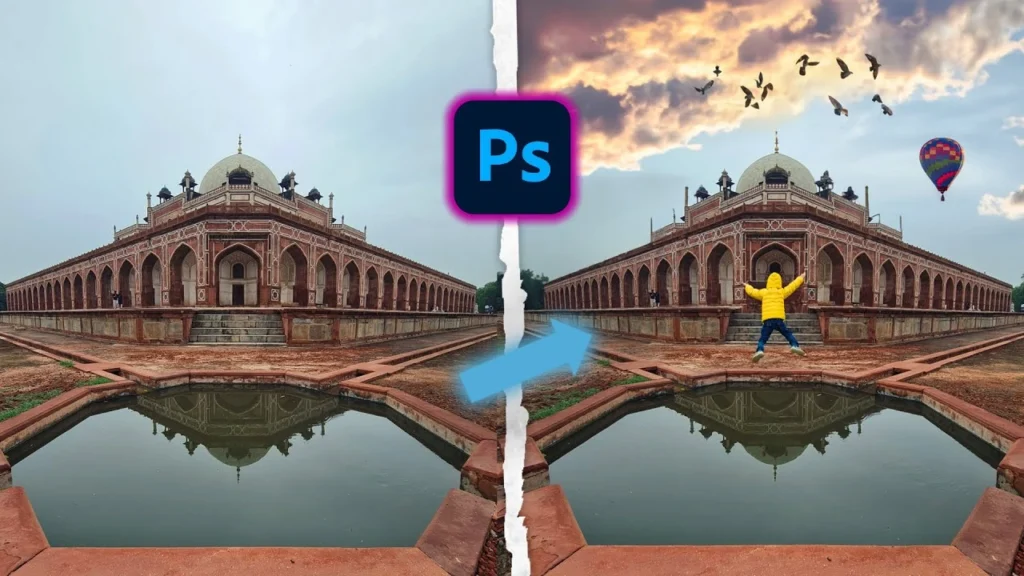
Photo Retouching Trends Backed by Market Data
To clearly understand why photo retouching trends for 2026 are so significant, it is helpful to examine the latest statistics from the global photography and image editing markets, which show strong and consistent growth across multiple segments.
The worldwide photography market is valued at approximately USD 105.2 billion in 2026 and is projected to expand to nearly USD 161.8 billion by 2030, growing at an estimated compound annual growth rate of about 4.4%. This growth highlights the increasing reliance on professional imagery across digital platforms, e-commerce, media, and marketing industries.
In parallel, the photo editing software market reached a value of around USD 1.15 billion in 2024, with forecasts indicating it could grow to approximately USD 1.82 billion by 2034. This represents a steady CAGR of roughly 4.7%, driven by advancements in AI-powered editing tools, automation, and cloud-based solutions.
The outlook for professional photo retouching services is even more promising. This segment was valued at about USD 3.2 billion in 2024, and projections suggest it will rise to nearly USD 4.1 billion by 2026. The faster growth rate, estimated at around 7–8% CAGR, is largely fueled by increasing demand from commercial photography, e-commerce businesses, digital advertising campaigns, fashion brands, and influencer-driven content creation.
Looking at the broader landscape, the image editing software market is expected to experience substantial expansion, growing from approximately USD 1.37 billion in 2026 to around USD 2.83 billion by 2034. This reflects a strong CAGR of about 8.39%, underscoring how essential image enhancement and retouching have become in modern visual communication strategies.
How Retouching Shapes Visual Storytelling, Brand Identity, and Audience Connection
Photo retouching was once treated as a simple finishing step, something focused mainly on correcting flaws and cleaning up images. Today, that mindset has completely changed. Retouching is no longer just about technical polish; it has become a strategic element of visual communication.
You are not merely adjusting lighting, correcting colors, or refining skin texture. You are defining the emotional tone and visual language of the image and, by extension, everything the brand represents. Once that image is published, it does far more than occupy space on a feed or website. It influences perception, builds credibility, and shapes how an audience feels about a brand, sometimes strengthening trust and sometimes eroding it.
This impact is often underestimated. Modern audiences do not passively glance at images anymore; they interpret them. Years of exposure to polished visuals have made viewers highly perceptive. If retouching appears unnatural or excessive, they sense it immediately. If an image feels overly manufactured, they move on without hesitation. Attention spans are short, and brands often have only a brief moment to make an impression.
The brands that succeed in this environment are not chasing flawless images. Instead, they focus on creating a consistent and authentic atmosphere. Their question is no longer, “Is this technically perfect?” but rather, “Does this reflect who we are and how we want to be perceived?” That shift in thinking defines modern visual strategy.
Retouching is no longer an invisible process happening in the background. It plays an active role in conveying meaning, shaping mood, and triggering subtle emotional responses that influence how audiences connect with a brand. Whether it is a major product launch or a casual behind-the-scenes post, retouching helps communicate the brand’s identity at every level.
When this process is handled without intention, the audience fills in the gaps on their own. And their interpretation may not align with what the brand intended. Being deliberate with retouching is no longer optional; it is essential to maintaining control over how your visual story is told.
How Technology and Cultural Shifts Are Redefining Retouching Workflows
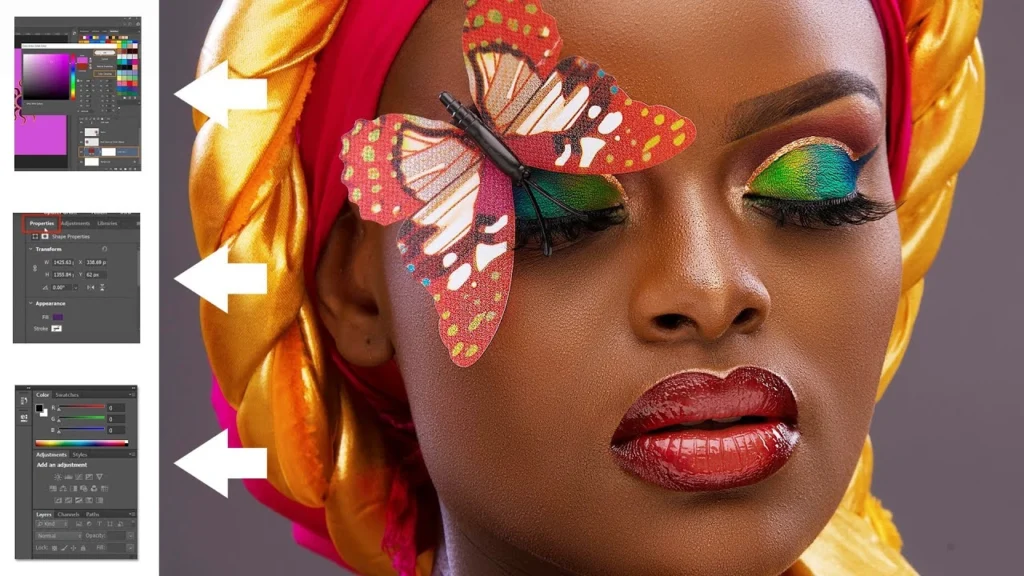
Advances in technology have dramatically accelerated the photo retouching process. AI-powered software and intelligent presets can now handle tasks that once took hours in just a few moments. Skin refinement, color balancing, and background cleanup happen almost instantly, creating a level of efficiency that was unthinkable only a few years ago. From a technical standpoint, the tools have never been more powerful or accessible.
However, the ability to do more, faster, has introduced a new challenge. Cultural expectations are evolving just as quickly as the technology itself. Audiences are increasingly drawn to visuals that feel honest, relatable, and inclusive rather than overly polished or idealized. While AI offers limitless editing possibilities, viewers are sending a clear message: restraint matters. Images that feel excessively manipulated risk losing emotional connection and credibility.
This tension has created a turning point in modern workflows. Editors are no longer approaching images with the mindset of correcting everything that can be corrected. Instead, they are taking a more thoughtful pause, examining each frame and asking what truly belongs in the final image. The question has shifted from “What can be enhanced?” to “What should remain untouched to preserve authenticity?”
Presets and automation still play an important role, helping teams maintain consistency and efficiency across large volumes of work. Yet the creative rhythm has changed. Retouchers are spending more time with the original image, evaluating mood, context, and intent before making decisions. Subtle adjustments, selective edits, and intentional restraint are becoming just as important as technical precision.
This evolution is not about doing less work; it is about making smarter choices. It requires knowing when enhancement adds value and when simplicity communicates the story more effectively. In many cases, the most powerful images are those that retain their natural character, allowing genuine emotion and identity to come through.
That balance between advanced technology and cultural sensitivity is shaping the future of photo retouching. As 2026 approaches, workflows are becoming more human-centered, prioritizing meaning over excess. It is a shift that feels both necessary and overdue, signaling a more thoughtful and mature era for visual storytelling.
Why Following Retouching Trends Is So Important
Keeping a close eye on photo retouching trends has become essential in an industry where visual standards, technology, and audience expectations evolve constantly. Retouching trends are no longer just creative preferences; they reflect how people perceive authenticity, quality, and trust in visual content. Understanding these shifts allows brands and creative teams to adapt their visual language, refine workflows, and stay aligned with what audiences respond to emotionally and culturally. As competition increases and attention spans shrink, awareness of retouching trends helps ensure that images remain relevant, credible, and impactful rather than dated or disconnected.
Photo Retouching Trends Through Market Insights
To fully grasp why retouching trends in 2026 carry so much weight, it is important to look at the broader market data shaping the photo editing and retouching industries. The numbers clearly show sustained growth and rising demand across multiple segments.
The global photography market is projected to reach approximately USD 105.2 billion in 2026, with forecasts indicating expansion to nearly USD 161.8 billion by 2030. This growth represents a compound annual growth rate of around 4.4%, driven by the increasing use of high-quality imagery across digital platforms, online commerce, media, and brand marketing.
In parallel, the photo editing software market was valued at roughly USD 1.15 billion in 2024 and is expected to grow to about USD 1.82 billion by 2034, reflecting a steady CAGR of close to 4.7%. This growth is fueled by advancements in AI-powered tools, automation, and user-friendly editing platforms that support both professionals and businesses.
The outlook for specialized photo retouching services is even stronger. This segment was estimated at around USD 3.2 billion in 2024, with projections showing growth to approximately USD 4.1 billion by 2026. The higher growth rate, estimated at 7–8% CAGR, is being driven by increased demand from commercial photography, e-commerce brands, digital advertising, fashion campaigns, and influencer-led content creation.
Looking more broadly, the image editing software market is expected to see significant expansion, growing from about USD 1.37 billion in 2026 to nearly USD 2.83 billion by 2034, representing an impressive CAGR of roughly 8.39%. This rapid growth highlights how image enhancement and retouching have become central to modern visual communication strategies.
The Influence of Retouching on Visual Storytelling, Brand Identity, and Engagement
Photo retouching was once viewed as a technical cleanup step, something done quietly at the end of a workflow. Today, it has evolved into a strategic component of visual storytelling and brand communication.
Retouching is no longer limited to correcting lighting issues or refining skin tones. It plays a direct role in shaping the emotional atmosphere and visual personality of an image. Once published, an image does far more than fill a grid or slider; it communicates values, builds credibility, and influences how audiences emotionally connect with a brand. In many cases, it can strengthen trust just as easily as it can undermine it.
Audiences have become highly visually literate. They do not simply glance at images anymore; they interpret them. Years of exposure to polished digital content have sharpened their instincts. If retouching feels excessive or unnatural, they notice immediately. If an image appears overly manufactured, they move on. With only a brief moment to capture attention, brands must be intentional with every visual decision.
The brands that succeed understand that perfection is no longer the goal. Instead, they focus on consistency, mood, and authenticity. The key question has shifted from “Does this look flawless?” to “Does this feel aligned with who we are?” That change in mindset defines the modern approach to retouching.
Retouching is no longer invisible or secondary. It is part of the message itself, influencing mood, subtle emotional cues, and the overall brand signal. Whether the image is part of a product launch or a casual behind-the-scenes post, retouching actively shapes how the story is perceived. When this process lacks intention, audiences will form their own conclusions, and those interpretations are not always favorable.
How Technology and Cultural Shifts Are Transforming Retouching Workflows
The pace of photo editing has accelerated dramatically. Advanced software powered by AI and intelligent presets can process complex adjustments almost instantly. Skin refinement, color matching, and background cleanup now happen in seconds, creating unprecedented efficiency in retouching workflows.
However, greater speed and capability do not automatically translate to better results. Cultural expectations are shifting just as quickly as the technology itself. Audiences increasingly value images that feel genuine, relatable, and inclusive rather than overly polished or aspirational. While AI offers endless possibilities, viewers are signaling a clear preference for restraint.
This tension has placed editors at a crossroads. On one side, technology provides every possible tool; on the other, audiences demand authenticity. As a result, retouchers are adapting their approach. Many are slowing down intentionally, spending more time evaluating each image and asking what truly belongs in the final frame. The focus has shifted from fixing everything that can be fixed to deciding what should remain untouched.
Presets still play a role in maintaining efficiency and consistency, and workflows remain highly optimized. Yet the overall energy has changed. Instead of rushing toward maximum polish, teams are engaging more thoughtfully with the raw image, asking deeper questions and making more subtle, deliberate choices.
This evolution is not about reducing effort; it is about applying judgment. It requires knowing when enhancement adds value and when restraint tells a stronger story. Often, the most compelling images are the ones that preserve their natural character. This balance between technology and authenticity is shaping the direction of retouching in 2026, and it reflects a shift that feels both necessary and overdue.
Photo Editing and Retouching Trends for 2026
1. Natural and Subtle Enhancements
One of the most defining trends of 2026 is the move toward subtle, natural-looking retouching. There is a clear departure from the era of overly smoothed skin, exaggerated sharpness, and erased shadows that once dominated digital imagery.
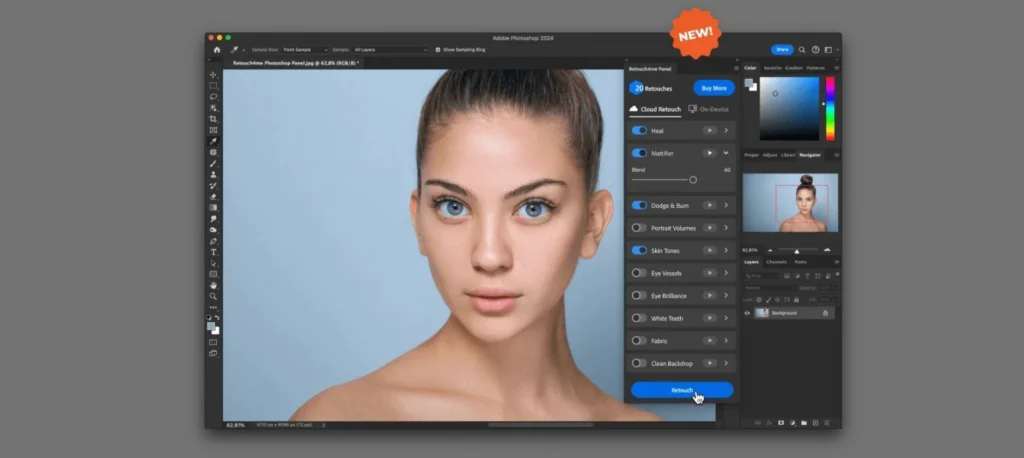
Editors are now prioritizing realism. Skin texture, fine lines, pores, and slight imperfections are no longer seen as flaws but as elements that make an image feel human and believable. Retouching skin today is often compared to treating fabric: it can be cleaned and refined, but removing every crease strips it of authenticity. Once an image looks artificial, viewers disengage almost instantly.
This shift goes beyond visual preference. It directly impacts trust. Whether the image is a professional headshot, an advertising campaign, or social media content, realistic skin helps the subject feel relatable. That sense of authenticity is what encourages viewers to pause, engage, and connect rather than scroll past.
Editing tools have evolved to support this approach. AI-driven software is now designed to enhance skin while preserving natural texture rather than erasing it completely. This ability to refine without overcorrecting has become a mark of quality and professionalism.
Minimalist Retouching That Preserves Authenticity
Another defining movement is the rise of less-is-more retouching. The most effective edits are often the ones that go unnoticed. Instead of dramatic transformations, modern retouching focuses on subtle refinements that improve balance while maintaining the subject’s identity.
This approach involves thoughtful decisions such as removing temporary blemishes while preserving distinctive features, evening out skin tones without flattening facial structure, and correcting distractions without eliminating natural highlights or character. The objective is not perfection but presence, allowing subjects to look like themselves at their best rather than overly styled versions of reality.
Ironically, this restrained style requires a higher level of skill. It demands strong judgment and a clear understanding of what should remain untouched. This ability to edit selectively is what distinguishes experienced professionals from automated, one-click solutions.
In 2026, confidence in retouching comes from subtlety. The craft lies in quiet, intentional adjustments that allow images to feel alive and authentic. When done well, the result is visual content that feels natural, trustworthy, and emotionally engaging.
Trends in photo editing and retouching 2026
Why Following Retouching Trends Is So Important
Keeping a close eye on photo retouching trends has become essential in an industry where visual standards, technology, and audience expectations evolve constantly. Retouching trends are no longer just creative preferences; they reflect how people perceive authenticity, quality, and trust in visual content. Understanding these shifts allows brands and creative teams to adapt their visual language, refine workflows, and stay aligned with what audiences respond to emotionally and culturally. As competition increases and attention spans shrink, awareness of retouching trends helps ensure that images remain relevant, credible, and impactful rather than dated or disconnected.
Photo Retouching Trends Through Market Insights
To fully grasp why retouching trends in 2025 carry so much weight, it is important to look at the broader market data shaping the photo editing and retouching industries. The numbers clearly show sustained growth and rising demand across multiple segments.
The global photography market is projected to reach approximately USD 105.2 billion in 2025, with forecasts indicating expansion to nearly USD 161.8 billion by 2030. This growth represents a compound annual growth rate of around 4.4%, driven by the increasing use of high-quality imagery across digital platforms, online commerce, media, and brand marketing.
In parallel, the photo editing software market was valued at roughly USD 1.15 billion in 2024 and is expected to grow to about USD 1.82 billion by 2034, reflecting a steady CAGR of close to 4.7%. This growth is fueled by advancements in AI-powered tools, automation, and user-friendly editing platforms that support both professionals and businesses.
The outlook for specialized photo retouching services is even stronger. This segment was estimated at around USD 3.2 billion in 2024, with projections showing growth to approximately USD 4.1 billion by 2026. The higher growth rate, estimated at 7–8% CAGR, is being driven by increased demand from commercial photography, e-commerce brands, digital advertising, fashion campaigns, and influencer-led content creation.
Looking more broadly, the image editing software market is expected to see significant expansion, growing from about USD 1.37 billion in 2025 to nearly USD 2.83 billion by 2034, representing an impressive CAGR of roughly 8.39%. This rapid growth highlights how image enhancement and retouching have become central to modern visual communication strategies.
The Influence of Retouching on Visual Storytelling, Brand Identity, and Engagement
Photo retouching was once viewed as a technical cleanup step, something done quietly at the end of a workflow. Today, it has evolved into a strategic component of visual storytelling and brand communication.
Retouching is no longer limited to correcting lighting issues or refining skin tones. It plays a direct role in shaping the emotional atmosphere and visual personality of an image. Once published, an image does far more than fill a grid or slider; it communicates values, builds credibility, and influences how audiences emotionally connect with a brand. In many cases, it can strengthen trust just as easily as it can undermine it.
Audiences have become highly visually literate. They do not simply glance at images anymore; they interpret them. Years of exposure to polished digital content have sharpened their instincts. If retouching feels excessive or unnatural, they notice immediately. If an image appears overly manufactured, they move on. With only a brief moment to capture attention, brands must be intentional with every visual decision.
The brands that succeed understand that perfection is no longer the goal. Instead, they focus on consistency, mood, and authenticity. The key question has shifted from “Does this look flawless?” to “Does this feel aligned with who we are?” That change in mindset defines the modern approach to retouching.
Retouching is no longer invisible or secondary. It is part of the message itself, influencing mood, subtle emotional cues, and the overall brand signal. Whether the image is part of a product launch or a casual behind-the-scenes post, retouching actively shapes how the story is perceived. When this process lacks intention, audiences will form their own conclusions, and those interpretations are not always favorable.
How Technology and Cultural Shifts Are Transforming Retouching Workflows
The pace of photo editing has accelerated dramatically. Advanced software powered by AI and intelligent presets can process complex adjustments almost instantly. Skin refinement, color matching, and background cleanup now happen in seconds, creating unprecedented efficiency in retouching workflows.
However, greater speed and capability do not automatically translate to better results. Cultural expectations are shifting just as quickly as the technology itself. Audiences increasingly value images that feel genuine, relatable, and inclusive rather than overly polished or aspirational. While AI offers endless possibilities, viewers are signaling a clear preference for restraint.
This tension has placed editors at a crossroads. On one side, technology provides every possible tool; on the other, audiences demand authenticity. As a result, retouchers are adapting their approach. Many are slowing down intentionally, spending more time evaluating each image and asking what truly belongs in the final frame. The focus has shifted from fixing everything that can be fixed to deciding what should remain untouched.
Presets still play a role in maintaining efficiency and consistency, and workflows remain highly optimized. Yet the overall energy has changed. Instead of rushing toward maximum polish, teams are engaging more thoughtfully with the raw image, asking deeper questions and making more subtle, deliberate choices.
This evolution is not about reducing effort; it is about applying judgment. It requires knowing when enhancement adds value and when restraint tells a stronger story. Often, the most compelling images are the ones that preserve their natural character. This balance between technology and authenticity is shaping the direction of retouching in 2025, and it reflects a shift that feels both necessary and overdue.
Photo Editing and Retouching Trends for 2026
Natural and Subtle Enhancements
One of the most defining trends of 2025 is the move toward subtle, natural-looking retouching. There is a clear departure from the era of overly smoothed skin, exaggerated sharpness, and erased shadows that once dominated digital imagery.
Editors are now prioritizing realism. Skin texture, fine lines, pores, and slight imperfections are no longer seen as flaws but as elements that make an image feel human and believable. Retouching skin today is often compared to treating fabric: it can be cleaned and refined, but removing every crease strips it of authenticity. Once an image looks artificial, viewers disengage almost instantly.
This shift goes beyond visual preference. It directly impacts trust. Whether the image is a professional headshot, an advertising campaign, or social media content, realistic skin helps the subject feel relatable. That sense of authenticity is what encourages viewers to pause, engage, and connect rather than scroll past.
Editing tools have evolved to support this approach. AI-driven software is now designed to enhance skin while preserving natural texture rather than erasing it completely. This ability to refine without overcorrecting has become a mark of quality and professionalism.
Minimalist Retouching That Preserves Authenticity
Another defining movement is the rise of less-is-more retouching. The most effective edits are often the ones that go unnoticed. Instead of dramatic transformations, modern retouching focuses on subtle refinements that improve balance while maintaining the subject’s identity.
This approach involves thoughtful decisions such as removing temporary blemishes while preserving distinctive features, evening out skin tones without flattening facial structure, and correcting distractions without eliminating natural highlights or character. The objective is not perfection but presence, allowing subjects to look like themselves at their best rather than overly styled versions of reality.
Ironically, this restrained style requires a higher level of skill. It demands strong judgment and a clear understanding of what should remain untouched. This ability to edit selectively is what distinguishes experienced professionals from automated, one-click solutions.
In 2025, confidence in retouching comes from subtlety. The craft lies in quiet, intentional adjustments that allow images to feel alive and authentic. When done well, the result is visual content that feels natural, trustworthy, and emotionally engaging.
2. AI-Driven Retouching Tools

Automating the Necessary Tasks: Color Balancing, Background Cleanup, and Object Removal
Some parts of retouching have never been about creativity. Correcting color shifts, removing distracting elements, and cleaning up busy backgrounds are essential steps, but they rarely inspire anyone. They are the kind of tasks that have to be done well, yet offer little creative satisfaction.
This is exactly where AI is making its strongest impact. Instead of replacing artistic judgment, it is taking over the repetitive groundwork. An image is uploaded, and within moments the colors are balanced, unwanted objects disappear, and cluttered backgrounds are simplified. What once required careful selections, detailed masking, and long hours of manual correction can now be handled in a few quick actions.
It may not feel like magic, but the difference in speed and efficiency is transformative. Editors who once spent a large portion of their day fixing minor imperfections that most viewers never consciously noticed now have more freedom to focus on lighting, atmosphere, and storytelling. Rather than cloning out distractions or manually matching skin tones across dozens of images, they can dedicate their energy to the creative decisions that actually define the final look.
AI is not trying to take over the role of the editor. Instead, it removes the obstacles that slow the process down, creating space for creativity to flourish and allowing professionals to work at a higher level.
How Tools Like Retouch4me and Luminar Neo Optimize Professional Workflows
These AI-powered tools are not novelty features; they have become practical assets in professional workflows. Many experienced editors rely on them daily because they deliver consistent results without sacrificing quality.
Retouch4me, for instance, is designed to handle skin retouching in a way that feels natural rather than artificial. It removes blemishes while preserving texture, light, and detail, avoiding the overly smoothed look that dominated earlier eras of digital editing. The result is skin that looks refined but still real, which is essential for modern visual standards.
For photographers working in weddings, corporate portraits, or high-volume sessions, this kind of automation can save countless hours. Processing large batches of images becomes faster and more consistent, producing results that feel clean and polished without appearing mechanical or overprocessed.
Luminar Neo, on the other hand, offers a more exploratory approach. It allows editors to experiment quickly with creative ideas, whether that involves adjusting color in specific tonal ranges, isolating subjects, or transforming skies. Its strength lies not in flashy features, but in how easily it enables rapid testing and refinement of visual concepts.
With tools like these, the focus shifts away from the technical process and toward creative intent. Editors spend less time figuring out how to execute an adjustment and more time deciding whether it supports the desired aesthetic.
When combined, these tools create a workflow that handles foundational edits efficiently while leaving room for experimentation and artistic control. The result is a process that feels less restrictive and more expressive.
That is the true role of AI in modern retouching. It is not about automating creativity, but about removing friction so that creativity has room to grow.
3. Color Grading and Cinematic Effects
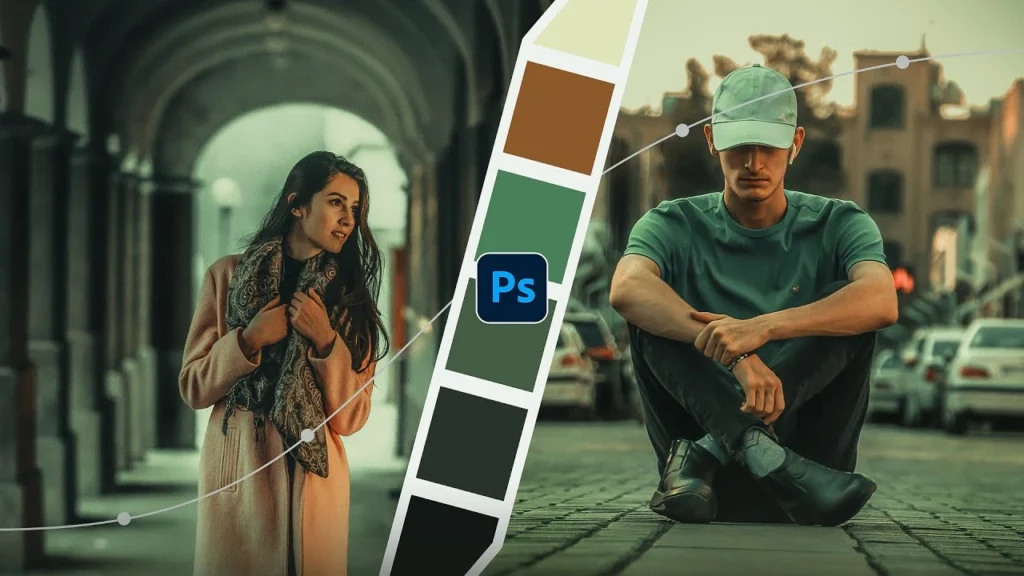
Using Cinematic Color to Create Emotional Impact
There is a unique pull to images that carry a cinematic feel. It is not created through aggressive filters or obvious effects, but through careful control of tone, color balance, and the emotional weight hidden in shadows and highlights. Subtle color grading has the power to transform an ordinary frame into something that feels intentional and immersive.
This approach has become increasingly prominent, and by 2025 it is no longer a trend but an expectation. Clients want images that communicate emotion instantly, even before any caption or context is introduced. Thoughtful color grading does exactly that by setting a mood that viewers can feel rather than analyze.
Cooler color palettes can soften a scene and create calm or distance, while warmer shadows can add comfort and nostalgia to even the simplest composition. Deepening blacks and refining contrast can push an image into film-like territory, making it feel less like a digital capture and more like a moment pulled from a story. These small, controlled adjustments dramatically influence how an image is perceived.
The key lies in moderation. Overdone contrast, exaggerated color shifts, and heavy-handed effects quickly overwhelm the image. The most effective cinematic grades are subtle and controlled. They do not demand attention; they invite it. The emotional response happens first, long before the viewer consciously notices the grading itself.
This kind of emotional tone-setting has become essential for brands and artists who want to establish a recognizable visual identity. Color is no longer decorative; it is foundational to how a message is delivered.
Trending Visual Styles: High-Key, Low-Key, and Film-Inspired Look
Several distinct grading styles are shaping visual trends, each offering a different emotional language.
High-key imagery focuses on brightness, softness, and openness. Light tones dominate, shadows are gentle, and the overall look feels clean and uplifting. It is commonly used in lifestyle, beauty, and editorial photography, where clarity and freshness are key. Achieving this look is less about increasing exposure and more about controlling how light wraps around subjects, how skin tones glow naturally, and how highlights remain soft rather than blown out.
Low-key grading takes the opposite approach, embracing darkness and contrast to create mood and intensity. Deep shadows, controlled highlights, and intentional underexposure give images a sense of gravity. This style is frequently seen in portraiture, brand storytelling, and music-related visuals, where emotion is conveyed through depth and restraint rather than brightness.
Film-inspired aesthetics continue to dominate as well. Grain, subtle bloom, halation, and gently faded shadows are being used intentionally to introduce character and imperfection. Muted colors, slightly warm or green-tinted tones, and organic texture help images feel nostalgic and familiar. What once might have been considered technical flaws are now embraced as stylistic choices that add authenticity and emotional depth.
These visual styles resonate because they make images feel like memories rather than just content. They communicate mood and story without relying on words, which is why they remain so powerful.
At their best, these edits do what strong visual storytelling has always aimed to do: create feeling first, and understanding second.
4. Bold, Genuine, and Inclusive Portraiture

Celebrating Real Features: Natural Texture, Diverse Bodies, and True Skin Tones
A clear shift is taking place in portrait photography and retouching, and it starts with a simple idea: perfection is no longer the goal. Authenticity has taken its place.
Photographers and retouchers are increasingly choosing to highlight what makes people unique rather than editing those qualities away. Freckles, pores, fine lines, stretch marks, and natural variations in skin tone are no longer treated as imperfections. In 2025, preserving these details is a powerful creative statement rather than a compromise.
This approach is not about avoiding refinement altogether. It is about making intentional choices that reflect reality. Authenticity is being embraced thoughtfully, not accidentally, with a clear understanding that real features create stronger emotional connections.
This movement is especially visible in beauty, fashion, and portrait campaigns, where representation has become a priority. Images now showcase a wide range of skin tones, body types, and facial structures, moving away from the uniform, overly polished aesthetic that once dominated the industry. Brands are recognizing that audiences respond more deeply to images that feel familiar and human rather than digitally perfected ideals.
From a technical perspective, this requires restraint. Editors are learning when to pause rather than proceed, allowing natural asymmetry, texture, and variation to remain visible. Skin is refined selectively instead of being smoothed into uniformity. This is less about acquiring new technical skills and more about adopting a new mindset, one that values realism as an asset.
This philosophy is redefining modern portraiture, influencing not only how images look, but how they feel to the viewer.
Emotion-Driven Portraits and the Rise of Candid Storytelling
A different style of portraiture is gaining prominence, one that prioritizes emotion over perfection and presence over posing. These images feel spontaneous, as though the viewer has stepped into a private moment rather than a carefully staged scene.
The most compelling portraits today are not necessarily those with flawless lighting or razor-sharp clarity. Instead, they carry subtle emotional cues—a fleeting expression, a thoughtful pause, or an unguarded glance that conveys authenticity. That sense of emotional immediacy is what resonates most strongly.
Rather than editing these moments into something pristine, retouchers are enhancing their emotional weight. This might involve introducing gentle grain, softening contrast, or warming shadows to add depth and intimacy. These adjustments are not made for dramatic effect, but to support the feeling already present in the image.
This approach is rooted in storytelling rather than surface-level aesthetics. It can be seen across social media, advertising, and professional portfolios, where portraits feel lived-in rather than manufactured. The subject is not simply presented as visually appealing; they are presented as real and present.
The goal of this shift is not to impress with technical perfection, but to create a connection that lingers. And in an image-saturated world, that emotional connection is what truly lasts.
5. Vintage and Textural Effects
Retro and Vintage Filters: Grain, Film Textures, and Date Stamps
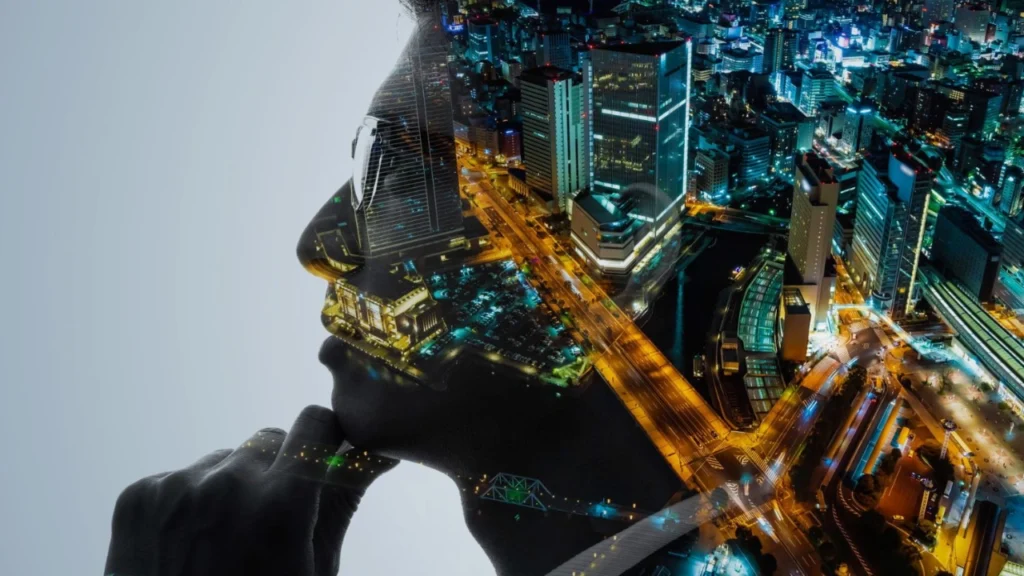
You might think the era of grainy, film-inspired aesthetics is behind us, but in 2025, these looks are more alive than ever. Photographers are intentionally giving their images a retro feel, as if they were shot on expired 35mm film or pulled from an old photo drawer from decades past. This approach works because it does more than add visual style—it evokes a sense of memory and emotion.
Grain is no longer just a stylistic choice; it has become an emotional cue. Photographers and editors are layering subtle imperfections, like light leaks, vintage borders, or even purposeful time stamps, not ironically, but nostalgically. In a world dominated by high-definition, razor-sharp imagery, a soft, imperfect look immediately feels different, compelling viewers to pause and absorb the moment. It conveys, without words, that this moment was meaningful.
This retro-inspired approach has extended beyond personal projects. Brands in fashion, music, and lifestyle industries are leveraging vintage touches to create campaigns that feel grounded, human, and authentic. By referencing the past, these images resonate emotionally, making contemporary content feel richer and more connected.
Textural Overlays: Scratches, Dust, and Weathered Effects to Evoke Nostalgia
The vintage trend is not just about visual filters—it’s about texture and tactility. Increasingly, photographers are integrating overlays that mimic scratches, scuffs, or dust, replicating the imperfections of old prints and film scans. These subtle textures give images a sense of physicality and history, even on a digital screen.
When applied thoughtfully, these effects don’t feel gimmicky—they feel earned. A photo with gentle scratches or dust specks communicates that it has a story, that it has “lived” before reaching the viewer. The process typically involves layering scanned textures, film plates, or handmade artifacts on top of the image, adjusting opacity, and carefully blending highlights to maintain a natural, worn-in look. The result is an image that feels tactile and authentic, not artificially aged.
Paired with moody tones, warm lighting, or carefully graded colors, these textures deepen the emotional impact of the image. In a landscape saturated with bright, ultra-clean visuals, the tactile imperfection of vintage effects stands out. It slows the scroll, draws attention, and gives the image a sense of weight and presence that purely digital content often lacks.
This trend is subtle but powerful. By adding layers of nostalgia and texture, images gain both character and emotional resonance, helping them linger in the viewer’s mind long after they’ve been seen.
6. Creative Overlays: Double Exposure, AR, and Graphic Elements
Double Exposure and Mixed-Media Overlays for Artistic Impact
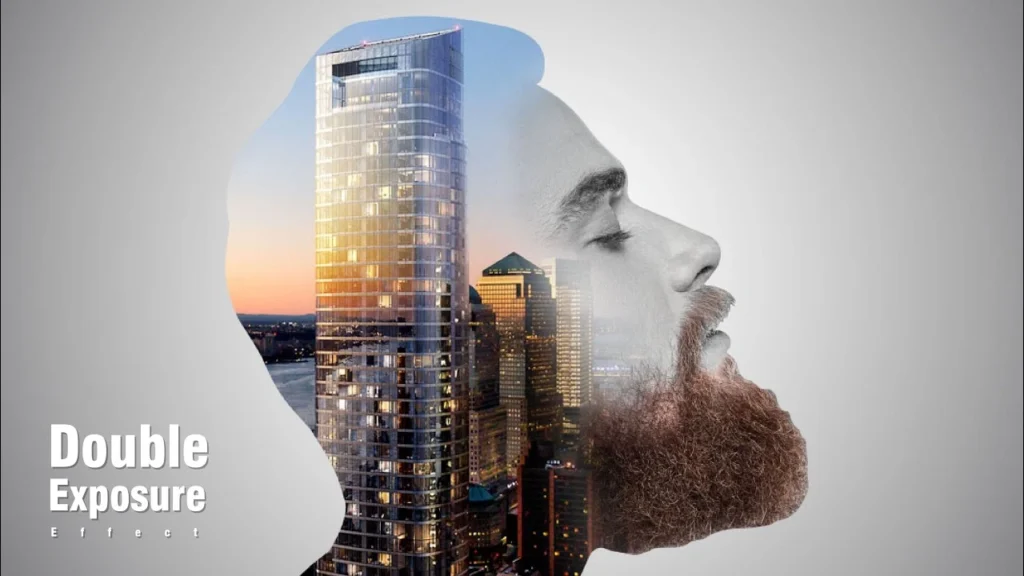
Some images refuse to sit still. They don’t want to be one single photo—they want to collide, merge, and evolve. Faces blend into clouds, city skylines seep through skin, and shadows overlap in ways that defy the rules of traditional photography. That chaos is deliberate. Double exposure thrives in the messy, unpredictable space where emotion takes priority over perfection.
It’s no longer about flawless technique. It’s about mood. By layering two shots that normally wouldn’t coexist, the frame gains new meaning. A portrait overlaid with a harsh skyline, or a soft, delicate face merging with rugged urban textures, creates a narrative that transcends reality. The result is abstract, layered, and emotional—something that resonates on a feeling level rather than a literal one.
The tools are secondary. Photoshop, mobile apps, or experimental software can all achieve these effects. The magic lies in the concept, the unexpected combinations, and the visual storytelling that emerges from the blend. This style isn’t meant for polished lifestyle campaigns or clean corporate branding. It’s for images that feel dreamlike, fleeting, and memorable—photos that draw viewers in even if they can’t immediately explain why.
Incorporating AR Stickers, Doodles, and Graphic Motifs in Social Imagery
The playful side of creative overlays is just as powerful. Social media has given rise to an entirely new language of visual expression, where scribbles, stickers, and graphic motifs are layered over images without rules. Stars appear on cheeks, wiggly lines trace sneakers, and stickers float like speech bubbles in a comic. The approach is spontaneous, organic, and intentionally imperfect.
This hand-crafted aesthetic creates a sense of authenticity. It feels as though the image passed through a human hand rather than a pre-set filter stack. There’s no need for grids or symmetry; the charm comes from the unpredictability, the vibe, and the personal touch.
These overlays are particularly effective on ephemeral content like Stories or Reels, where quick, candid moments thrive when left imperfect. Some overlays are subtle, enhancing a detail or mood, while others dominate the frame entirely, depending on the emotional intent.
The key takeaway is that these graphic elements are not mere decoration. They communicate human presence and creativity. In an era of endless polished visuals, the tactile, messy, and humanized nature of these edits makes images stand out. The imperfection, the doodle, the sticker—all contribute to a sense of life and personality that engages viewers on a deeper, more instinctive level.
7. Hybrid Workflow: Where Photography Meets Videography
Seamless Integration of Stills and Motion
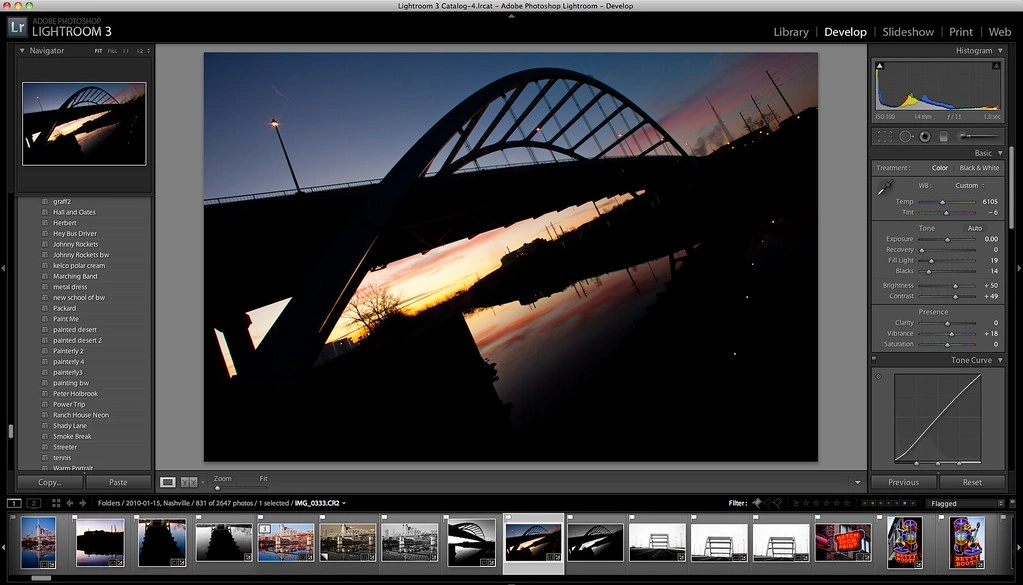
The boundaries between photography, video, animation, and motion graphics are disappearing. What were once separate disciplines are now merging into a single creative continuum, where visuals need to carry consistent energy across formats. Shooting a portrait no longer ends with a single image; the same look and feel must extend into video content to maintain cohesion. Color grading, tone, and mood must remain consistent, or the overall visual narrative feels fragmented.
Hybrid editing addresses this need. Retouching is no longer limited to still images—it’s about creating a comprehensive visual identity that translates seamlessly across Reels, TikToks, promotional clips, and stories. Tools like Facetune Video and Luminar make it possible to apply a unified aesthetic to both photos and video without requiring a full-scale post-production setup. Editors can adjust a single photo, then carry that same look into motion content quickly, efficiently, and consistently.
The payoff is clear. Clients notice the cohesion, and audiences feel it—even if they can’t articulate why. Consistency builds trust and reinforces brand identity without overt effort, making every visual interaction feel intentional and polished.
Cohesive Visual Storytelling Across Platforms
Attention spans are shorter than ever. Viewers scroll rapidly, tap quickly, and move on without a second thought. In this context, consistent visuals across formats make a meaningful difference. When stills, videos, and motion graphics all speak the same visual language, audiences pause and engage—even if only briefly.
Consider a campaign that spans multiple platforms: a photo posted on Instagram on Tuesday, a behind-the-scenes Reel on Thursday, and a TikTok tutorial on Saturday. If each piece looks and feels disconnected, none of it resonates or leaves a lasting impression. Hybrid workflows solve this problem by allowing creators to build once and adapt across multiple formats without losing the core visual identity.
This approach also streamlines production. Instead of reinventing the aesthetic for each format, editors can focus on a single cohesive vision, stretching it across stills and motion while preserving energy and narrative. The tools are already available, and the demand is growing rapidly. The real challenge is ensuring that your workflow can keep pace with the way modern content moves across platforms.
Hybrid workflows aren’t just convenient—they’re essential. They ensure that every element, from static images to motion content, contributes to a unified, memorable story that feels polished, intentional, and consistent across all touchpoints.
8. Sustainable and Ethical Editing Practices

Prioritizing Transparency, Minimal Manipulation, and Real Beauty
We’ve reached a turning point in visual culture. The pressure for absolute perfection in images is no longer sustainable. Audiences are no longer impressed by flawless skin, unrealistically slim bodies, or overly polished visuals—they want authenticity. Not the “curated authenticity” often manufactured in studios, but genuine, unvarnished reality. As a result, the photo retouching industry is adapting to meet these evolving expectations.
What was once standard practice—smoothing every pore, erasing blemishes, reshaping features—now draws criticism quickly. Whether on social media, in public commentary, or through media watchdogs, excessively retouched images are losing credibility. Viewers can sense when something is artificial, and that perception undermines trust.
In response, leading brands are shifting toward transparency. Many now openly disclose edits, while campaigns celebrate real skin, stretch marks, scars, cellulite, and diverse body types. They are emphasizing authenticity, not as a trend, but as a strategic approach. Honest representation fosters trust, strengthens audience engagement, builds loyalty, and can even drive sales. In today’s market, authenticity is as valuable as aesthetics.
Balancing Beauty with Authenticity: Avoiding Overproduction While Disclosing Edits
Editing itself is not the problem—it’s the intention behind it. Enhancements such as adjusting lighting, removing minor distractions, or refining color balance remain valuable. The goal now is to guide the viewer’s focus without creating a false perception of reality.
This requires careful judgment. Editors must strike a balance: make the image appealing, but not artificially perfect; retain cleanliness without sterilizing it; enhance beauty while keeping it believable. It’s a delicate line to walk, but it is increasingly central to modern retouching practices.
Some teams are implementing subtle disclaimers like “light retouching only” or “color adjustments, no reshaping.” While small, these notes signal a commitment to honesty. They tell audiences that the visual representation is truthful, simply enhanced to highlight its best qualities rather than fabricate reality.
When audiences see this approach, they respond positively. They engage more, trust the content, and connect with the brand or subject on a human level. Ethical editing is not only principled—it’s effective storytelling. By combining aesthetic refinement with transparency, images become more compelling, relatable, and resonant.
In 2026, sustainable and ethical editing isn’t a niche choice—it’s the standard for brands and creators who want to be respected, trusted, and remembered.
9. Mobile Processing and Preset-Driven Portrait Retouching
The Rise of Phone-Based Editing: Presets and One-Tap Styles
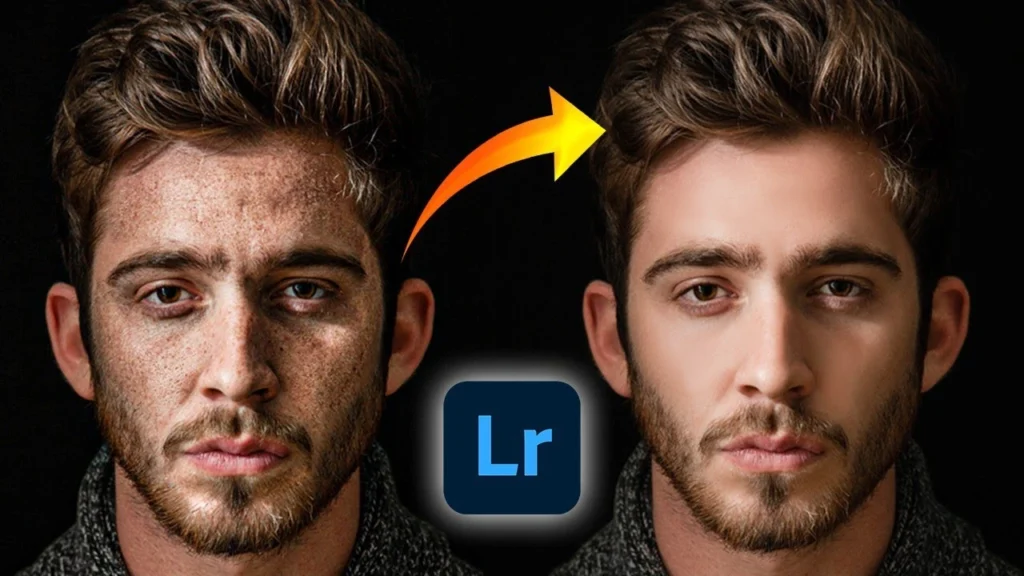
Editing no longer requires a desktop, Lightroom, or Photoshop. Today, full-fledged retouching can happen entirely on mobile devices. From color grading to batch processing, powerful apps like mobile Lightroom, Luminar Neo, and Snapseed allow creators to produce professional-quality edits directly from their phones. The process is fast, intuitive, and efficient: shoot, swipe, tweak, and post—all in a matter of minutes—without ever feeling rushed.
Presets are central to this workflow. Photographers, influencers, and content creators are developing signature styles that can be applied in a single tap. Custom looks, cohesive color schemes, and aesthetic consistency are now achievable instantly. With the right preset, a single edit can ensure that your post aligns with your overall feed, campaign, or brand vibe, creating a visually unified presence effortlessly.
Mobile editing also enables unparalleled agility. Creators can react in real-time, posting while the moment is still fresh, maintaining relevance and immediacy. Speed and convenience no longer compromise quality; instead, they enhance creative freedom.
Ensuring Consistent Branding Across DSLR and Mobile Content
One of the most notable benefits of mobile processing is the ability to unify visual identity across different formats. The line between DSLR-shot campaigns and phone-captured behind-the-scenes content is narrowing. With consistent tones, textures, and overall aesthetics, images from vastly different devices can feel seamless when presented together.
Presets and mobile tools are key to achieving this cohesion. By developing a distinct brand look once, creators can apply it universally, ensuring every piece of content—whether captured on a high-end camera like the Canon R5 or an iPhone—feels part of the same visual language. Audiences rarely notice the technical source as long as the experience is consistent.
For smaller teams or solo creators, this workflow is transformative. Large-scale post-production setups are no longer necessary. A strong visual identity, coupled with mobile tools, is sufficient to maintain professional consistency across all platforms. The goal isn’t to choose mobile over DSLR—it’s to blend both seamlessly, making the audience unaware of where each image originated while keeping the brand’s visual narrative intact.
10. Future Outlook: AI Artist Agents
You might also read this article:👇
- A Complete Guide: Retouching Tips & Tricks for Flawless Images
- A Complete Guideline of Clipping Path: Cutout Partner
- Masking vs Clipping Path: Expert Tips for Flawless Photo Editing
- Free Aesthetic Christmas Wallpaper to Instantly Boost Your Holiday Spirit
How Cutout Partner Is Shaping the Future of Professional Photo Retouching
Cutout Partner is shaping the future of professional photo retouching by delivering high-quality, detail-focused editing solutions that meet the evolving demands of photographers, eCommerce brands, and creative agencies worldwide. As a premium photo retouching company, Cutout Partner combines experienced retouchers with AI-assisted workflows to ensure accuracy, speed, and consistency across every project. Their approach emphasizes natural-looking results, preserving real textures while enhancing colors, lighting, and overall visual appeal—an essential standard in modern, authenticity-driven marketing.
At the core of Cutout Partner’s success is a comprehensive range of professional services designed to support diverse industries. Their photo retouching services refine images by correcting imperfections, balancing tones, and enhancing details without over-editing. Clipping path services deliver clean, precise cutouts ideal for product catalogs and online marketplaces, while eCommerce photo editing ensures consistent backgrounds, accurate colors, and brand-ready visuals at scale. In addition, Cutout Partner provides image masking, background removal, and shadow creation services that add depth and realism to product images. By continuously adapting to new technologies while maintaining expert human oversight, Cutout Partner is setting future-ready standards for quality, efficiency, and trust in the professional photo retouching industry.
“PhotoArtAgent” — AI + Language Models for Creative Retouching Insight
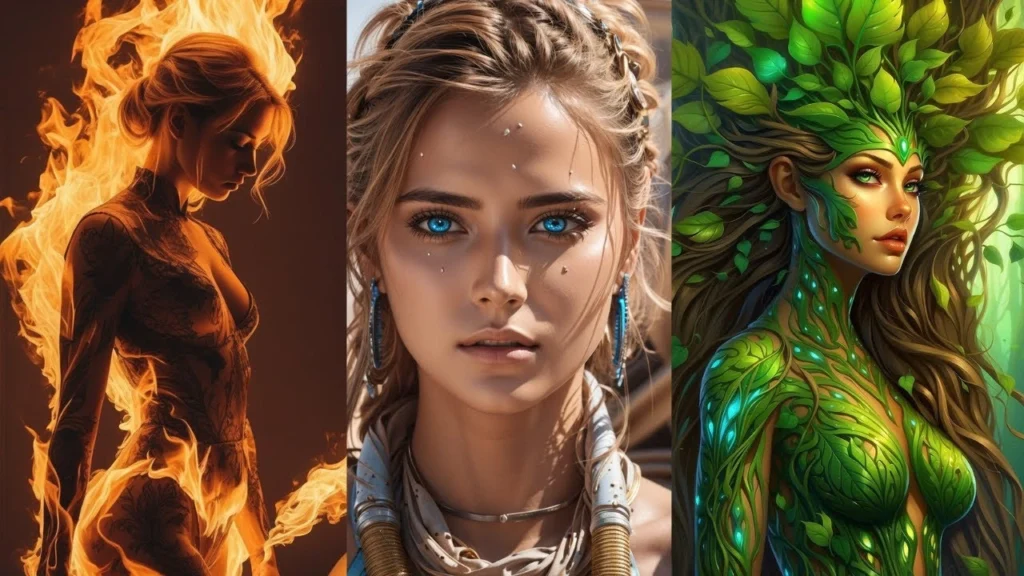
This is where the future of retouching gets both unusual and exciting. We are moving beyond AI as a mere task-doer. The next generation of tools doesn’t just apply edits—it thinks through them, or at least mimics the creative reasoning behind them. Imagine typing in an intention—“nostalgic mood with warm skin tones and subtle grit”—and the AI constructs the edit layer by layer, explaining why each choice was made.
This is not automation; it’s collaboration. The concept behind “PhotoArtAgent”-style tools is simple: treat AI like a creative assistant rather than a machine. It suggests options, interprets feedback, and adapts in real time, much like a junior editor who never tires but still understands nuance and direction.
The technology is still in its early stages, and some interactions can feel rough. Yet the trajectory is unmistakable: AI, combined with language models, is creating a new paradigm for creative editing. The focus shifts from dragging sliders endlessly to directing the software, letting it construct mood and style alongside your vision.
Explainable, Iterative, Artist-Guided Adjustments
The next wave of AI in retouching emphasizes intention over speed. The goal is to make edits transparent, showing the reasoning behind each choice. For example: “Warmth was increased here to match skin tones across inconsistent lighting” or “Grain was added to enhance emotional texture.” Editors can see the logic and tweak it, retaining creative control while benefiting from AI assistance.
This transparency builds trust. Editors maintain authority, creatives can guide the narrative, and brands understand the processes ensuring consistency and tone. Explainable AI allows for iterative experimentation: multiple variations can be generated, each with its rationale, allowing teams to select the version that best aligns with the intended story.
In practice, this transforms the role of the editor. Mastery of tools becomes less critical than the ability to direct them thoughtfully. Editing evolves into a dialogue with AI—an interactive, intelligent collaboration where ideas guide execution, rather than manual manipulation alone.
If this trend solidifies, the future of retouching will be defined not by technical skill with sliders, but by creative vision and the ability to steer AI agents toward the desired outcome.
FAQ
What is the most popular retouching trend in 2025?
Subtle, AI-assisted edits that preserve natural texture are dominating. Think skin that feels real, not overly smoothed or artificial. Audiences want enhancements that look authentic, not fake.
Should I remove all skin texture?
Absolutely not. Over-smoothing is one of the fastest ways to lose credibility. Skin texture adds realism and relatability. Preserving it is key to making portraits feel genuine.
Can I use cinematic presets on mobile?
Yes! Mobile apps like Lightroom Mobile and Luminar Neo now allow professional-level color grading on your phone. You can achieve cinematic looks anywhere, without needing a desktop setup.
How do brands maintain authenticity?
Brands maintain trust by showing honesty in their edits. This includes minimal overproduction, keeping natural features visible, and sometimes even disclosing retouching. Authenticity, not perfection, is the goal.
What’s next in retouching technology?
The future points to AI artist agents—tools that let you guide edits using plain language while seeing the reasoning behind each adjustment. Editing becomes less about sliders and more about creative collaboration.