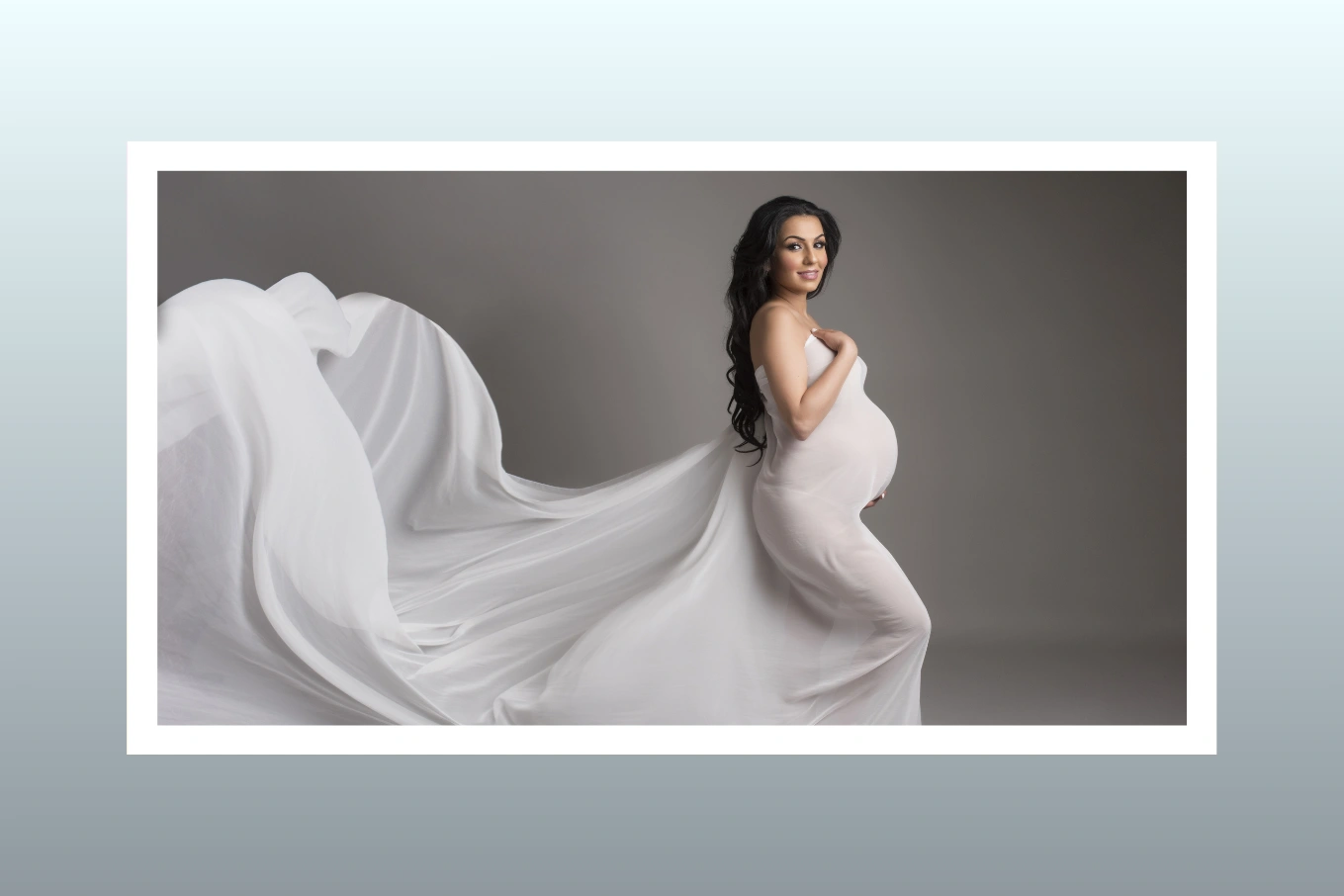
Maternity Photography Tips for Photographers : A Complete Guide in 2026
Cutout Partner
April 4, 2026
0 views
In studio maternity photography, every small detail truly matters. From the way light falls, to how fabric flows, and even how a subject tilts her head—each element plays an important role. As a maternity photographer, the goal is to capture the natural beauty of motherhood in a soft, glowing, and emotional way. Studio sessions are a creative process where technical skill, artistic vision, and understanding the client all come together. Inside the studio, the photographer works like an artist, and the space becomes a blank canvas. Everything is carefully planned, including lighting, backdrops, outfits, and posing.
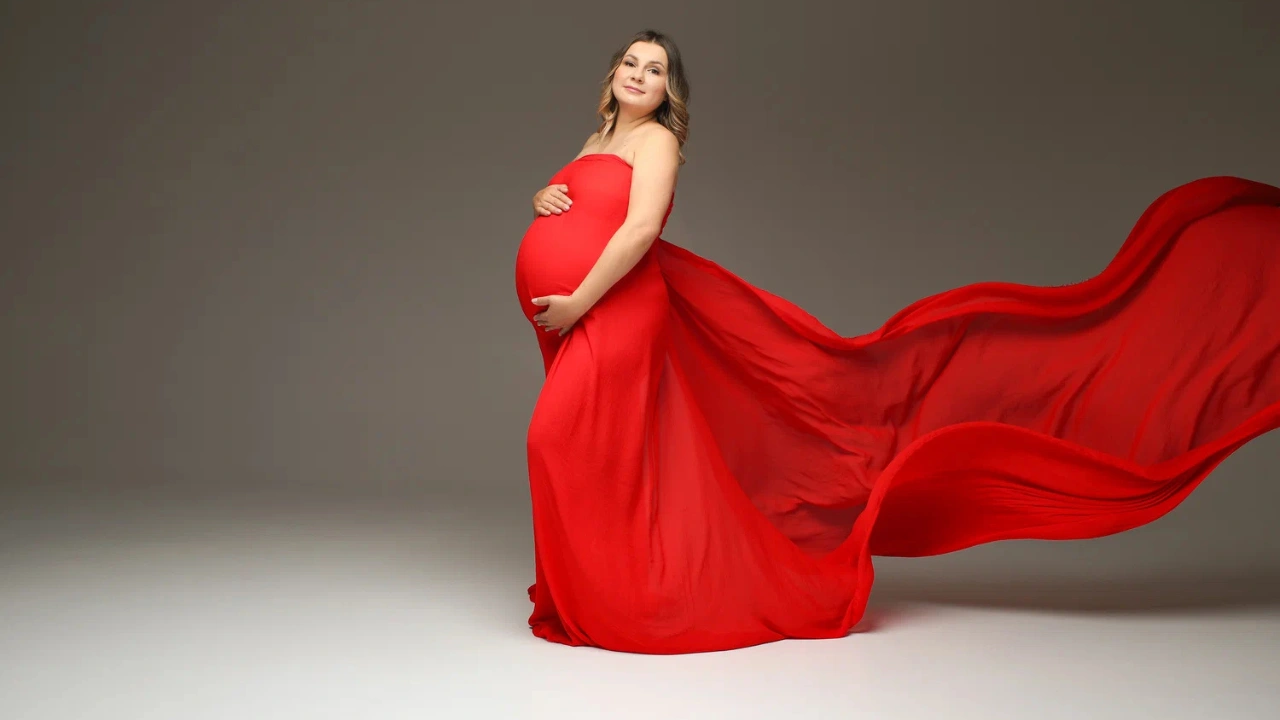
In this type of photography, even minor mistakes can be noticeable. Incorrect lighting can make the body look flat instead of highlighting the baby bump. An uncomfortable pose may make the subject look stiff rather than graceful. Choosing the wrong colors for clothing can also reduce the overall beauty and impact of the image. That is why studio maternity photography requires not only technical knowledge but also patience, creativity, and close attention to detail. It’s not just about taking pictures—it’s about capturing a meaningful and beautiful moment in a woman’s life.
What Is Maternity photography
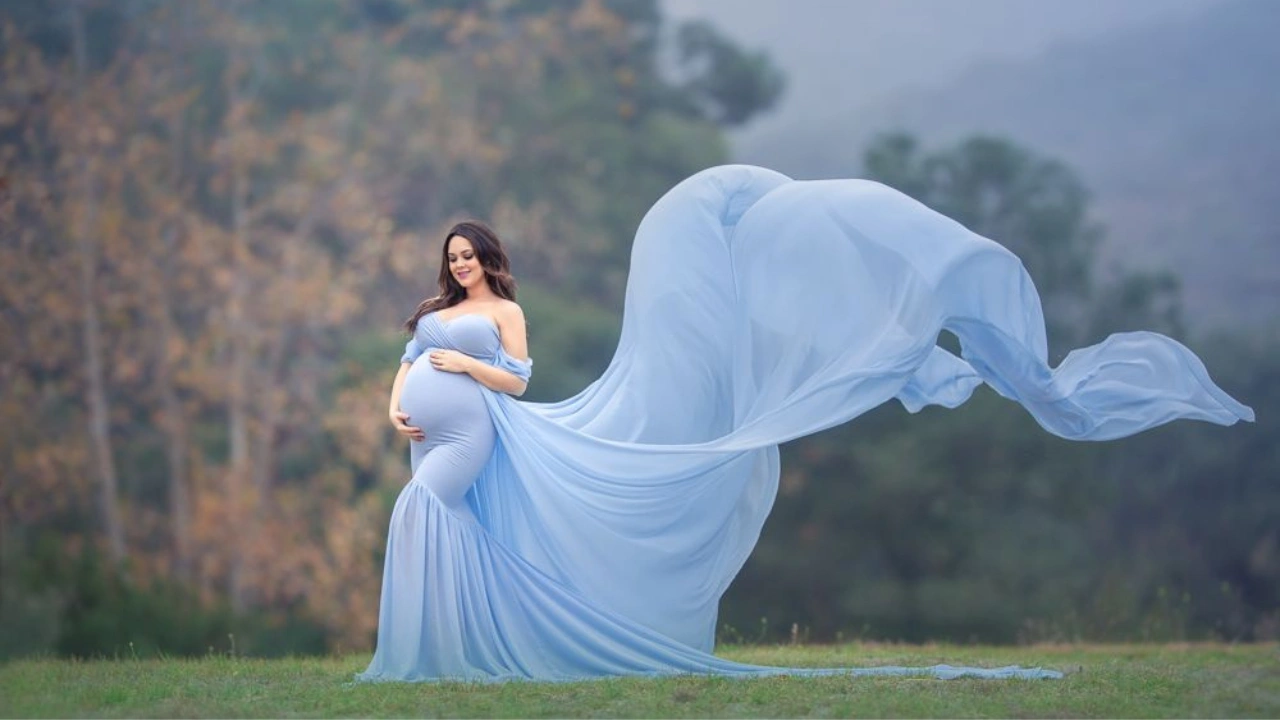
Maternity photography is a type of photography that focuses on capturing a woman during pregnancy, celebrating the beauty, emotions, and journey of motherhood before the baby is born.
It typically highlights the baby bump and the connection between the mother, baby, and sometimes family members. These photos are often soft, warm, and emotional, creating timeless memories.
Key features of maternity photography:
- Usually done between 28–36 weeks of pregnancy
- Focuses on natural poses and emotions
- Uses soft lighting for a gentle, glowing look
- Can be shot indoors (studio) or outdoors (nature)
- Often includes partners, siblings, or personal elements
In simple terms, maternity photography is about telling the story of pregnancy in a beautiful and meaningful way.
Before the Maternity Photo Session
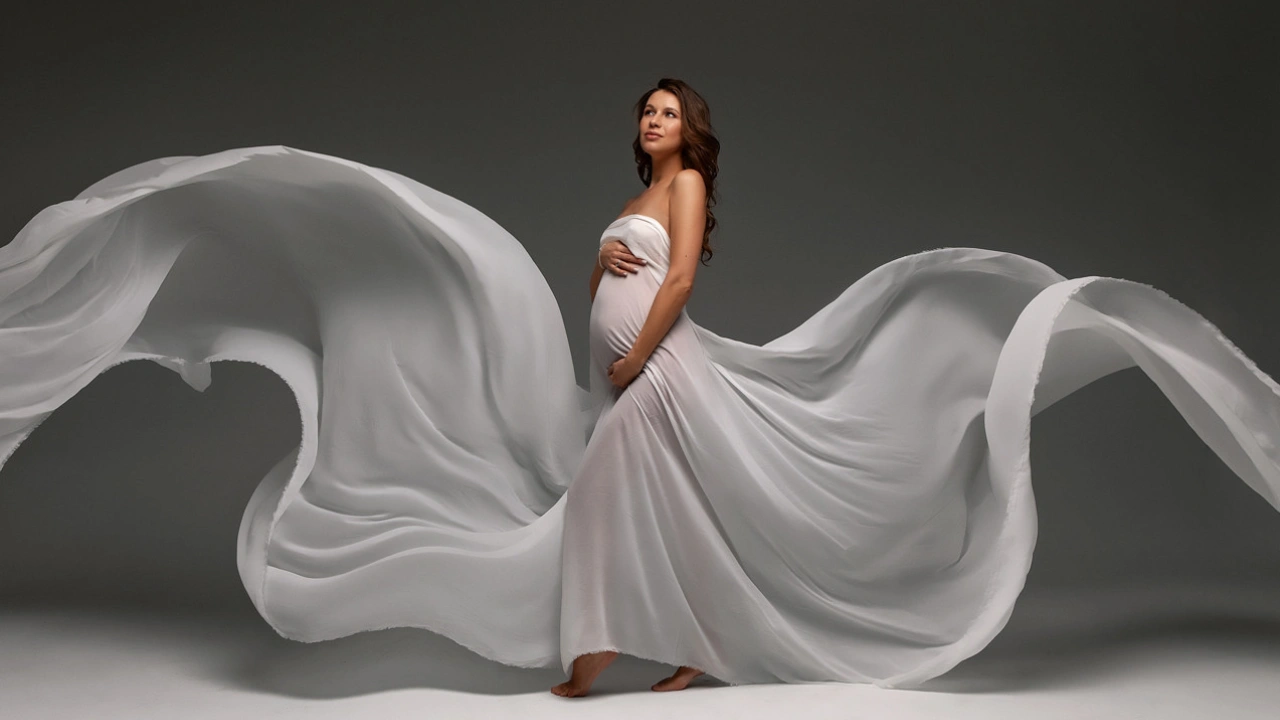
A great maternity photo session doesn’t begin when the camera starts clicking—it begins much earlier. The most important step is the client consultation, which helps set the overall mood and direction of the shoot. During this time, I like to learn about the mama-to-be’s story. Is this her first baby? Did she face challenges along the way? Is she feeling confident and radiant, or a bit shy and emotional? Understanding her feelings helps shape a session that is personal, meaningful, and truly memorable.
I once worked with a lovely mother who had spent several years trying to have a child. For her session, the focus wasn’t just on posing or appearance—it was about honoring her journey, strength, and happiness. We designed her shoot with a rich red dress and a dark background to highlight her powerful story and the emotions behind it.
Planning the final look ahead of time is very important. By considering the client’s vision and body type, you can create images that match her expectations. Some mothers may prefer a light and soft style with white tones and flowing fabrics, while others may choose a bold, dramatic look with strong lighting and elegant styling. Your role is to bring those ideas to life and turn them into beautiful, lasting memories.
Wardrobe Engineering for Studio Conditions
In a controlled studio setting, wardrobe is not just about fashion—it is about understanding how different fabrics interact with light. Each material behaves in its own way under studio lighting. For example, silk is very reflective and can create bright highlights or unwanted shiny spots if not handled carefully. Chiffon, on the other hand, is light and airy, which makes it perfect for soft and dreamy maternity photos, but it can appear too transparent when strong backlighting is used. Matte fabrics like knits absorb light well, making them ideal for creating warm, intimate portraits where the focus is on comfort and natural beauty.
When preparing outfits for a maternity session, it’s helpful to have several options ready. Many photographers plan for three to five outfit changes during a shoot. These changes are spaced out in a way that keeps the session smooth while avoiding fatigue for the mother-to-be. A session might start with a simple, fitted gown that highlights the baby bump, then move into a sheer robe for a soft and elegant look, and finish with a bold, colorful dress that makes the mother feel confident and radiant.
Attention to detail is very important. Dresses should always be neatly steamed, as wrinkles become more noticeable under studio lights. Accessories should be simple but meaningful, such as a small belt to emphasize the bump or a floral crown for a gentle, romantic touch. Sometimes, keeping the styling minimal and natural works best. Outfit choices should match the client’s comfort and personality, allowing the session to feel smooth, relaxed, and true to her story rather than rushed or forced.
Studio Setup for Maternity Portrait Photography Studio White Background

A well-prepared studio plays a big role in creating comfortable and beautiful maternity portraits. The goal is to design a space that allows smooth movement, quick changes, and a relaxed atmosphere for the mother-to-be. Backdrops should always be selected and tested before the client arrives. Having a variety of options ready is very helpful, such as soft textured canvases for timeless portraits, clean white backdrops for bright and airy looks, and darker velvet backgrounds for more dramatic and elegant maternity photos. With these choices prepared in advance, the photographer can easily adjust the mood of the session without interrupting the flow.
The setup of platforms and floor drops should also be planned with care. For seated poses that feel cozy and gentle, a soft fur floor drop adds warmth and texture. For standing poses that highlight the baby bump, a clean and simple floor, such as a black or neutral surface, helps keep the focus clear and the composition strong.
Maintaining a comfortable environment is equally important. Pregnant clients may feel warmer than usual, and studio lighting can increase the temperature quickly. Keeping the studio at a moderate temperature, along with using quiet fans for airflow, helps maintain comfort without affecting the shoot. Providing water, light snacks, and short breaks throughout the session ensures the mother stays relaxed and energized.
Overall, comfort should always come first. When the client feels at ease, the session becomes smoother, and the resulting maternity portraits look more natural, calm, and beautiful.
Studio Lighting for Maternity Photography
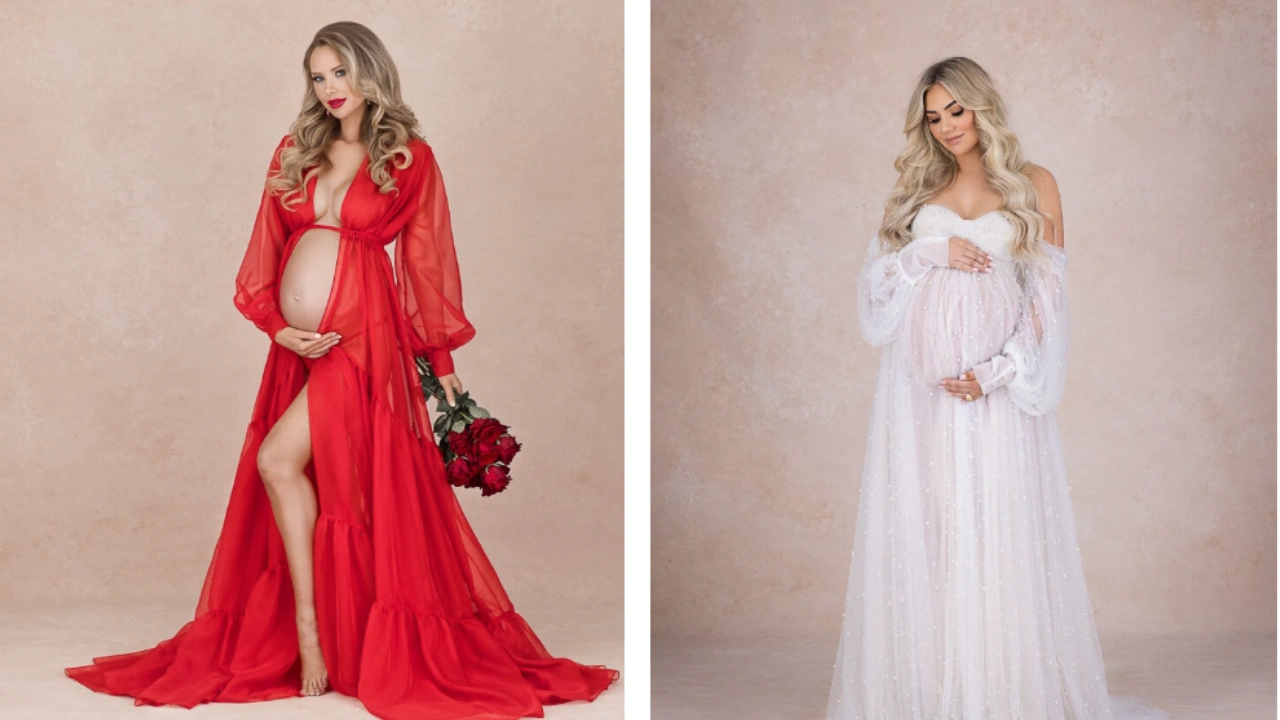
One of the key secrets to creating a soft, glowing maternity portrait is learning how to control and shape light carefully. Instead of pointing a light directly at the mother-to-be, it is better to slightly angle or “feather” the light so that only the softer edge touches the subject. This technique helps gently sculpt the baby bump and highlights natural features like the collarbone without creating harsh shadows or overexposed areas.
The position of the light also plays an important role in setting the mood of the session. A common and effective setup is the 45/45 lighting position, where the light is placed at a 45-degree angle from the side and slightly above the subject. This setup creates a soft, natural, and flattering glow that enhances the overall warmth of the image. It works especially well for maternity portraits because it feels balanced and organic.
Another option is Paramount lighting, where the light is placed directly in front of and above the subject. This style creates a more dramatic and glamorous look. While it can produce beautiful results, it must be used carefully to avoid overly harsh shadows. Adjusting the intensity and placement of the light is important to maintain softness while still achieving the desired effect.
Overall, thoughtful lighting placement and control allow photographers to highlight the natural beauty of the mother-to-be while maintaining a gentle and flattering appearance throughout the session.
Secondary and Fill Lighting
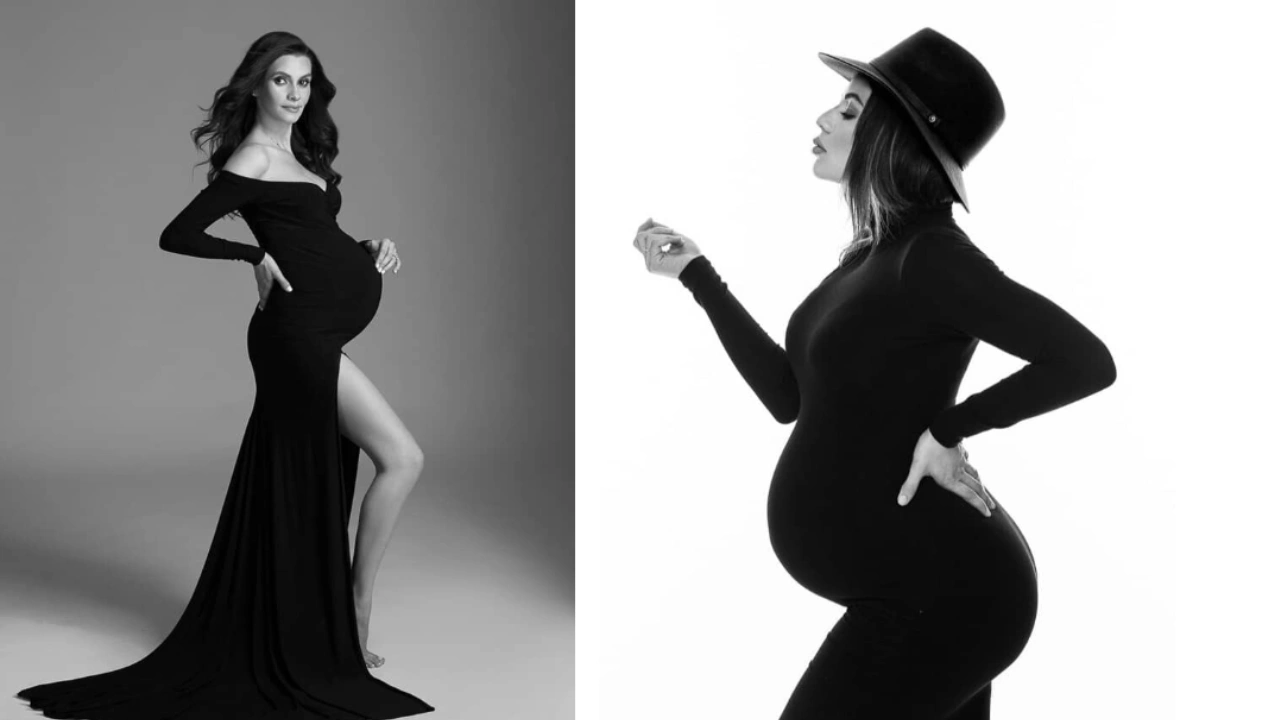
Secondary or fill lighting is not meant to flood the scene with extra brightness. Instead, its purpose is to control contrast, add depth, and preserve the natural shape created by the main light. In maternity studio photography, the fill light is carefully balanced with the key light depending on the desired look.
For a bright, clean, and polished “magazine-style” image, the fill light is usually set just under one stop less than the key light. This creates a soft and even glow while still keeping gentle shadows that define the baby bump and facial features. If a more dramatic and artistic mood is preferred, the fill light can be reduced by two stops or more. This allows the shadows to become deeper, enhancing the curves of the body and adding richness and contrast to the image.
Light control tools such as scrims and v-flats are very helpful in this process. A large scrim or a reflective surface can bounce light back into the shadow areas in a controlled and subtle way. This helps soften shadows without removing them completely. The goal is not to eliminate shadows but to refine them so the subject still looks three-dimensional and natural.
When used correctly, fill lighting works in harmony with the key light to create balance, depth, and a professional finish. It enhances the subject’s natural form while maintaining the softness and elegance that maternity photography is known for.
Lighting Modifiers Specific to Maternity
The choice of lighting modifier has a major impact on the final look of maternity portraits. Different modifiers shape light in unique ways, influencing softness, direction, and overall mood. Two of the most commonly used modifiers in maternity studio photography are deep umbrellas and octaboxes.
Deep umbrellas are excellent for creating soft yet slightly directional light. They help highlight the natural curves of the baby bump while still maintaining gentle shadows that add depth and dimension. This makes them a great choice when you want definition without losing the softness that is important in maternity images.
Octaboxes, on the other hand, provide a wider and more even spread of light. The light wraps smoothly around the subject, reducing harsh transitions between highlights and shadows. This makes octaboxes especially useful for close-up portraits, such as shots of hands on the belly or calm side-profile images, where a soft and even glow is desired.
Some modifiers, like the beauty dish, require extra care when used in maternity photography. While beauty dishes are known for producing sharp and glamorous lighting in fashion photography, they can create stronger shadows under the eyes, nose, and chin if not properly balanced with fill light. This can reduce the softness and natural warmth that many maternity clients prefer.
Overall, selecting the right modifier—and using it thoughtfully—helps maintain a flattering, gentle, and natural look that enhances the beauty of the mother-to-be while keeping the focus on her expression and form.
Background Light Strategy
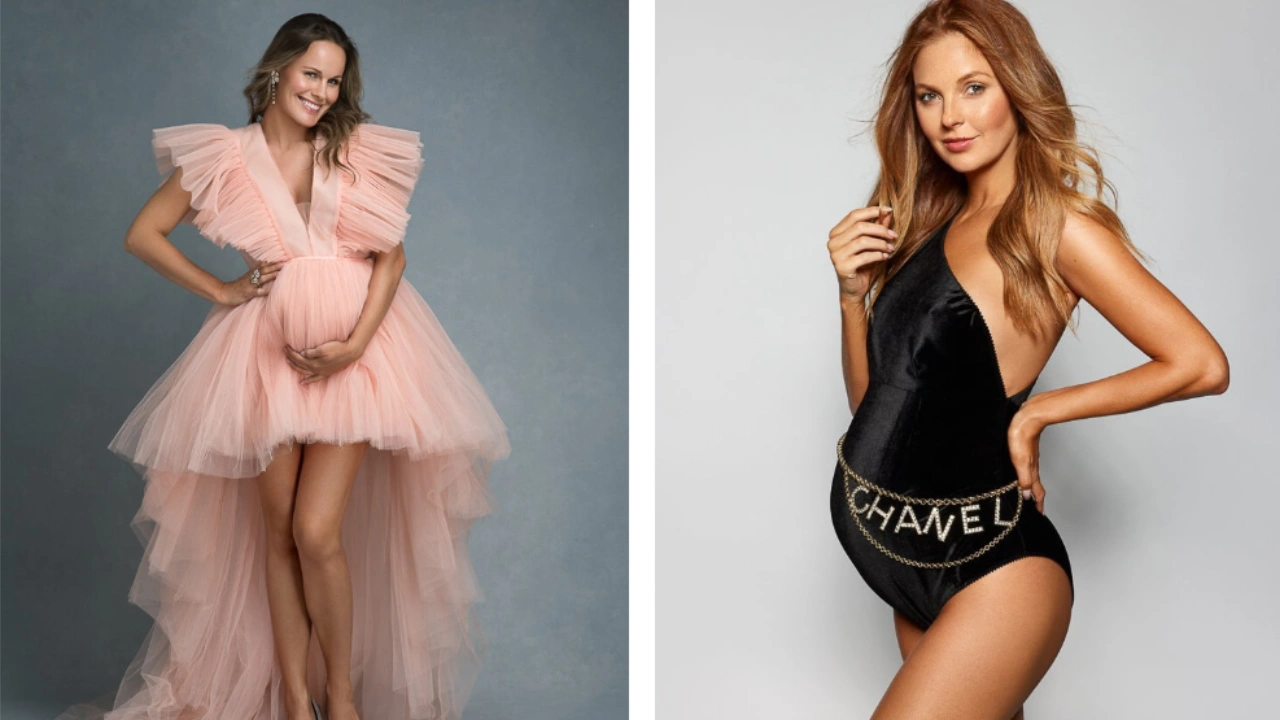
In studio maternity photography, lighting is not only about illuminating the subject—it also helps shape the background and overall atmosphere of the image. Background lighting plays an important role in adding depth and separating the mother-to-be from the backdrop. By carefully feathering light across a seamless paper or textured canvas, a soft gradient can be created. This subtle transition of light adds dimension and prevents the background from appearing flat, making the final image feel more polished and visually balanced.
Rim lighting is another useful technique for creating separation between the subject and the background. When used gently, a rim light placed slightly behind and above the subject can outline the natural curves of the body, especially the baby bump. This creates a soft glow along the edges that enhances the three-dimensional feel of the portrait.
However, it is important to use rim lighting with restraint. If the light is too strong, it can make the subject look overly outlined, which may give the image a more commercial or artificial appearance rather than an emotional and natural one. A subtle approach works best, where the rim light softly highlights the edges without overpowering the subject.
Posing Maternity Photos
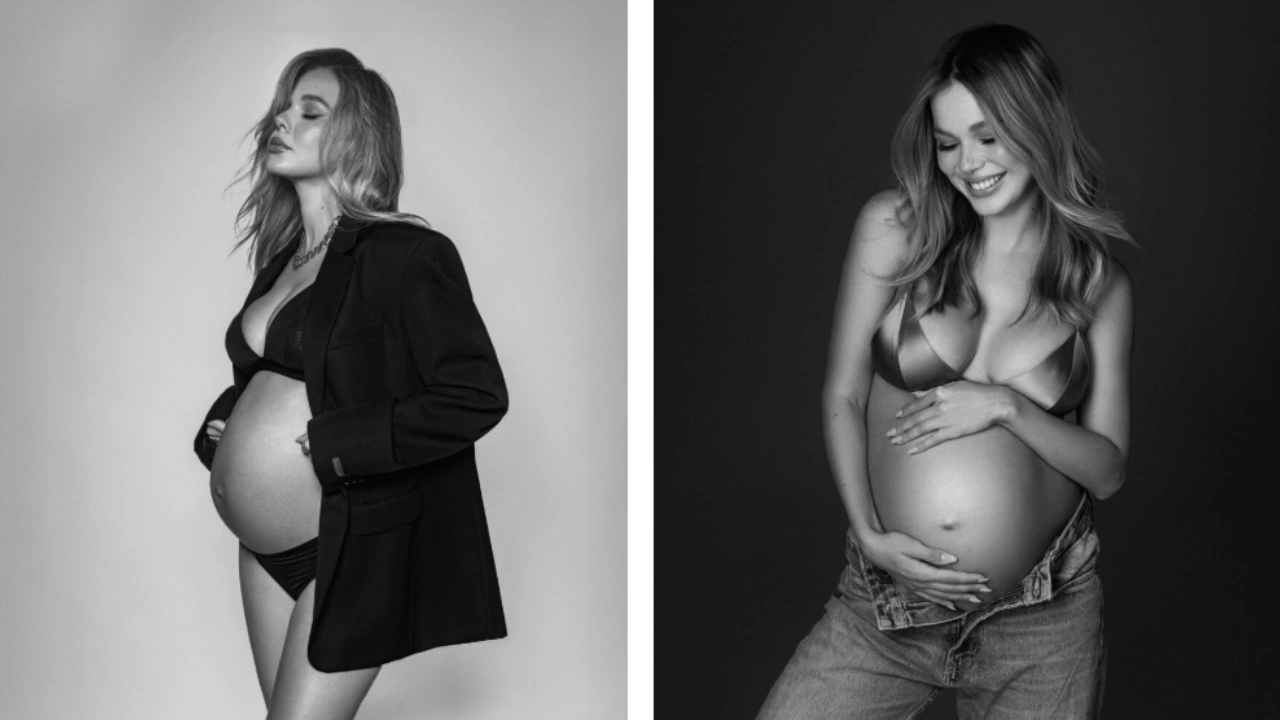
When posing maternity portraits, it’s important to start by observing the clavicle line, as it helps guide the positioning of the shoulders. A relaxed and open clavicle creates a graceful and elegant look, giving the pose a natural sense of confidence. On the other hand, if the collarbone area appears closed or collapsed, the pose can look tense and may reduce the overall energy and comfort of the image.
Next, attention should be given to hip alignment. Even small adjustments in the hips can significantly influence the shape and balance of the body. Proper hip positioning helps emphasize the baby bump and creates a more flattering and natural silhouette. It also contributes to better posture and overall harmony in the pose.
Spinal alignment is another key element. A gentle and natural extension of the spine helps elongate the body and gives the belly space to be the focal point. It’s important to avoid forcing an exaggerated arch, as this can look unnatural and may cause discomfort. Instead, encouraging a soft, relaxed posture allows the subject to appear both comfortable and elegant.
By focusing on these core elements—clavicle positioning, hip alignment, and spinal extension—photographers can create maternity poses that feel balanced, flattering, and naturally expressive while keeping the mother-to-be at ease throughout the session.
Pose Progressions
A maternity session works best when it follows natural pose progressions that help the mother-to-be feel comfortable and relaxed. Starting with seated poses is a great way to ease into the session. These poses feel more intimate and supportive, allowing the client to settle in, build confidence, and become familiar with the process.
As the session continues and the energy becomes more comfortable, you can gradually move into standing poses. These poses often highlight strength, confidence, and the beauty of motherhood. Standing positions allow the baby bump to be more visible and help create clean, elegant lines in the overall composition.
Reclining poses can also be a beautiful option when used thoughtfully. When placed on soft textures or simple floor setups, reclining poses can produce graceful and artistic images that emphasize both comfort and form. These poses often work well for creating a calm and serene mood.
Throughout the session, timing and awareness are essential. It’s important to pay attention to how the client is feeling and adjust the flow accordingly. Offering breaks when needed helps maintain comfort and energy levels. Pregnancy requires a gentle and considerate approach, so avoiding long, tiring sequences of poses ensures the experience remains positive and enjoyable.
Advanced Hand Placement Techniques
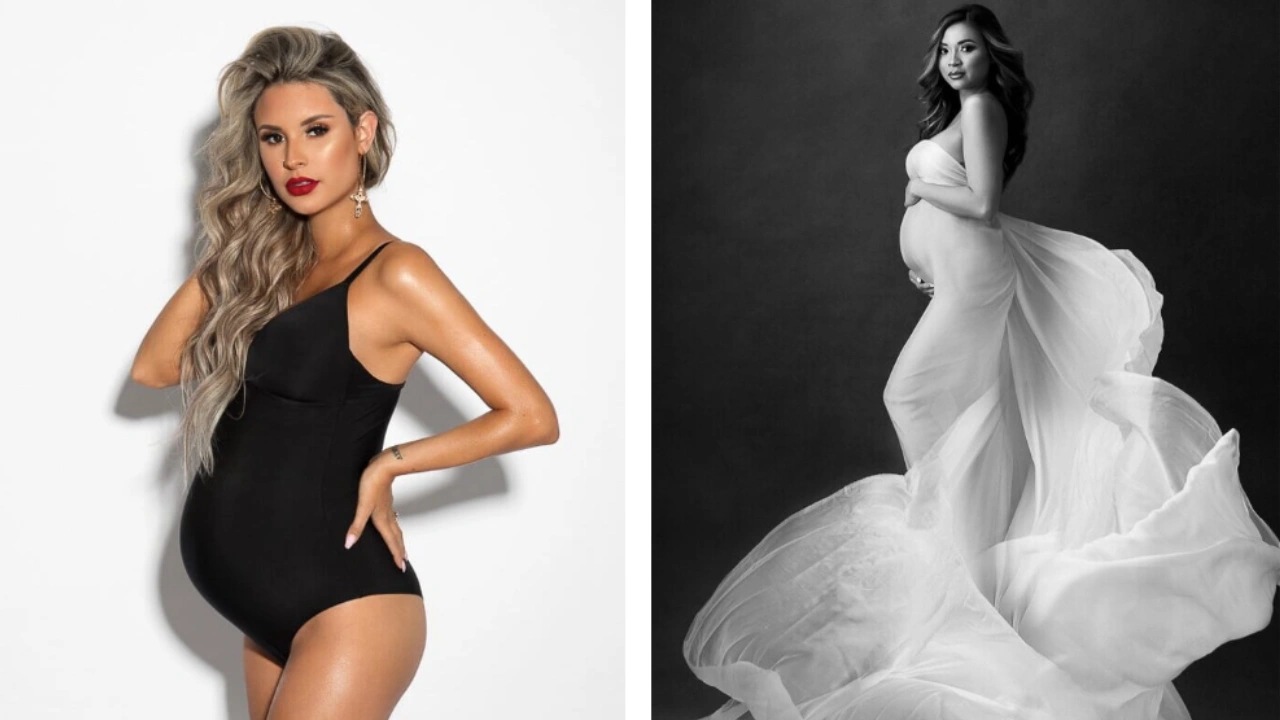
Hands play a very important role in maternity photography, as they can greatly influence the overall feel of a portrait. Poor hand placement, such as stiff fingers or disconnected positions, can quickly draw attention away from the subject. That is why guiding hand positioning throughout the session is essential to maintain a natural and graceful look.
A soft and gentle connection between the hands and the baby bump helps create an emotional and intimate feel. Instead of holding the belly tightly, the hands should rest lightly, as if cradling or protecting the bump. This subtle approach adds a sense of care and tenderness, making the image feel more personal and meaningful.
Small adjustments can make a big difference in the final result. Relaxing the fingers, slightly separating the thumb, and allowing a natural curve in the wrist all contribute to a more elegant hand position. These minor refinements help create smoother lines and prevent the hands from looking tense or awkward.
Consistency in guiding hand placement ensures that the subject remains comfortable while also improving the visual balance of the composition. When hands are positioned naturally and thoughtfully, they enhance the pose rather than distract from it, resulting in maternity portraits that feel calm, expressive, and beautifully composed.
Prop Integration
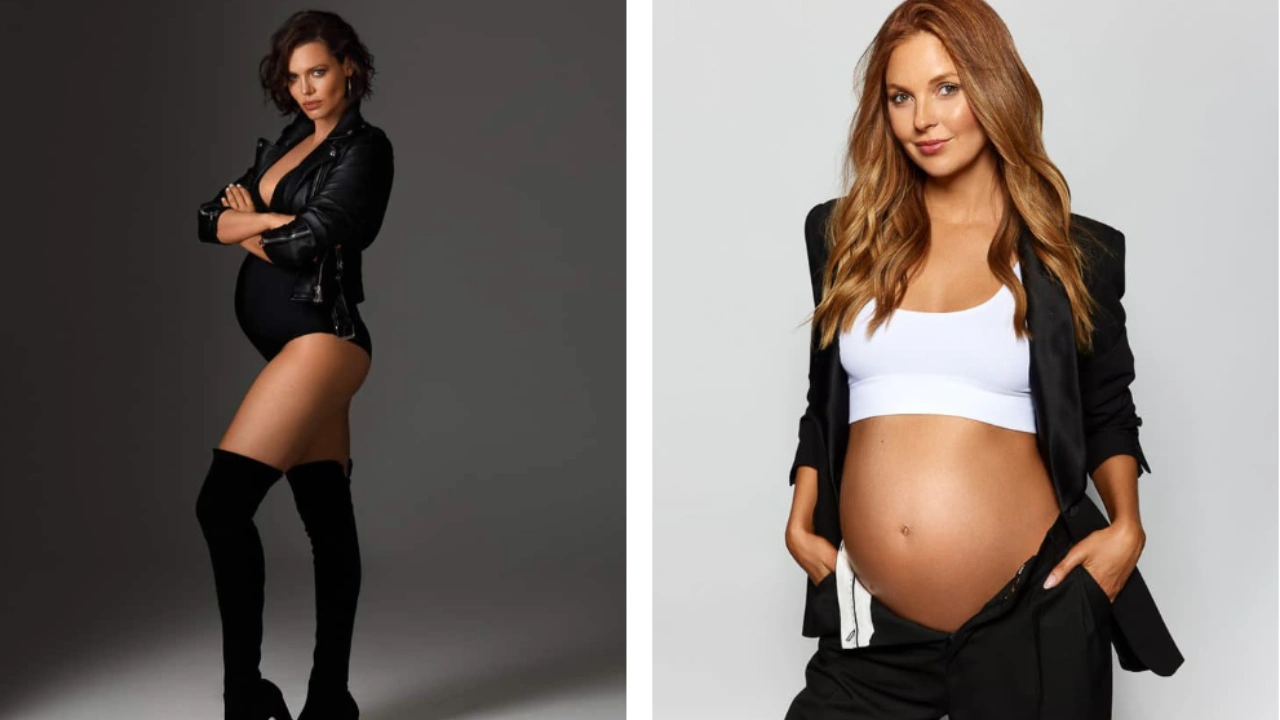
In studio maternity photography, props should feel like a natural extension of the story rather than something added just for decoration. The purpose of props is to enhance the mood of the image while keeping the focus on the mother-to-be. One of the most effective and versatile props is fabric. Light, sheer fabrics can be used in creative ways, such as being gently tossed into the air or captured in motion as they fall. This adds a sense of movement, softness, and elegance, while also connecting to themes of life, breath, and transformation.
Platforms are another useful element when used thoughtfully. A low platform can help create a more elevated and refined composition, allowing the body lines to flow more naturally. When paired with draped fabric, the overall look can feel sculptural and graceful, giving the subject a sense of presence and poise while still ensuring comfort and safety throughout the session.
Every prop should be chosen with intention. The key question to consider is whether the prop enhances the beauty of motherhood or distracts from it. When props are used with purpose and balance, they help tell a stronger visual story and support the emotional tone of the maternity portrait without overpowering the subject.
Studio Gear as Extension of Creative Vision
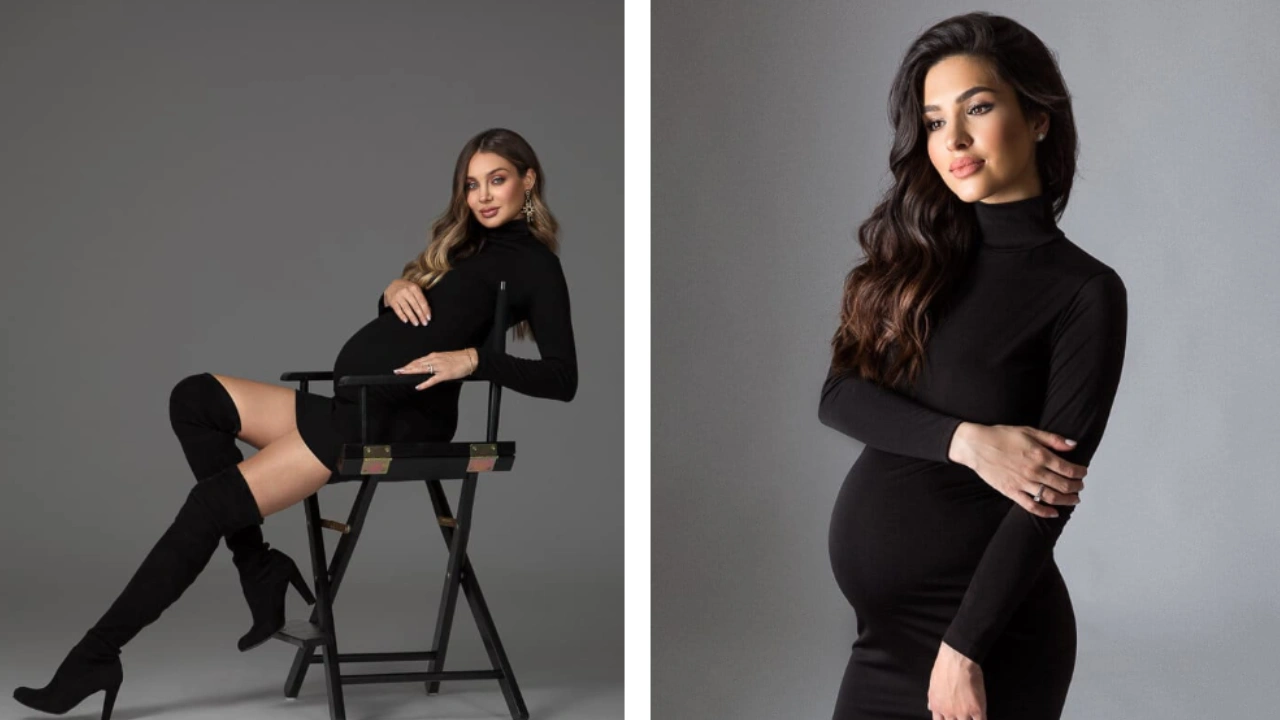
In maternity photography, studio gear is more than just equipment—it is an extension of the photographer’s creative vision. One of the most important decisions is lens selection, as it directly affects how the subject is captured and how the final image feels.
An 85mm prime lens is often a preferred choice for studio maternity sessions. It provides pleasing compression that flatters both the face and body while maintaining a natural and intimate perspective. This makes it ideal for capturing emotional, well-balanced portraits that highlight the connection between the mother and her baby bump.
For close-up and detail-oriented shots, such as hands gently resting on the belly or soft facial expressions, a 100mm macro lens can be very effective. It allows photographers to capture fine details with clarity while preserving the natural proportions of the subject.
While a 50mm lens is commonly used in general photography, it can introduce slight distortion when used in tight studio spaces. In maternity photography, where maintaining the natural shape of the body is important, minimizing distortion helps ensure the bump and overall form are represented accurately and gracefully.
A 24-70mm zoom lens is another practical option for studio sessions. Its flexibility allows photographers to switch between wide full-body shots and closer compositions without frequently changing lenses. This can be especially helpful when working with time constraints or when the client needs regular breaks, as it keeps the session efficient and smooth.
Ultimately, choosing the right lens and gear helps support the creative process, allowing the photographer to focus on capturing authentic, flattering, and beautifully composed maternity portraits.
Camera Settings with Lighting and Posing Maternity Studio Shot
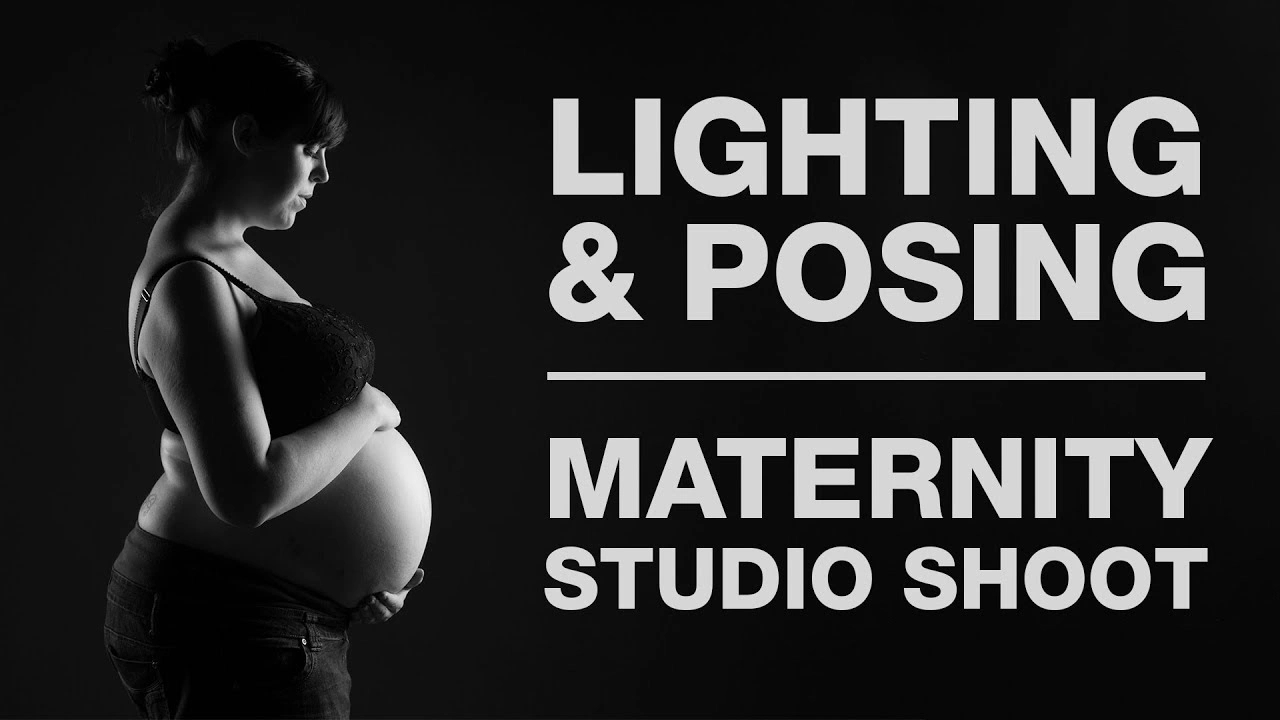
Camera settings for a maternity photoshoot in a studio need to be carefully chosen to match controlled lighting conditions. One of the key factors is aperture. Using an aperture around f/5.6 helps maintain overall sharpness across important areas such as the baby bump, hands, and face, while still allowing the background to remain softly blurred. This balance ensures that the subject stays in clear focus without losing the depth that gives the image dimension.
Choosing too wide an aperture can sometimes result in shallow depth of field, where essential parts of the subject fall out of focus. In maternity photography, where details and clarity are important, this can reduce the effectiveness of the final image. Keeping a moderate aperture helps preserve both detail and visual storytelling.
In addition to aperture, syncing camera settings with studio strobes is essential. Proper synchronization ensures that the flash exposure is clean and consistent, without interference from ambient light. Balancing strobe power with shutter speed and ISO allows the photographer to control highlights and shadows effectively, producing a crisp and polished studio look.
Overall, well-adjusted camera settings contribute to sharp, well-exposed, and professional maternity portraits that highlight both the subject and the lighting setup in a harmonious way.
Studio Essentials
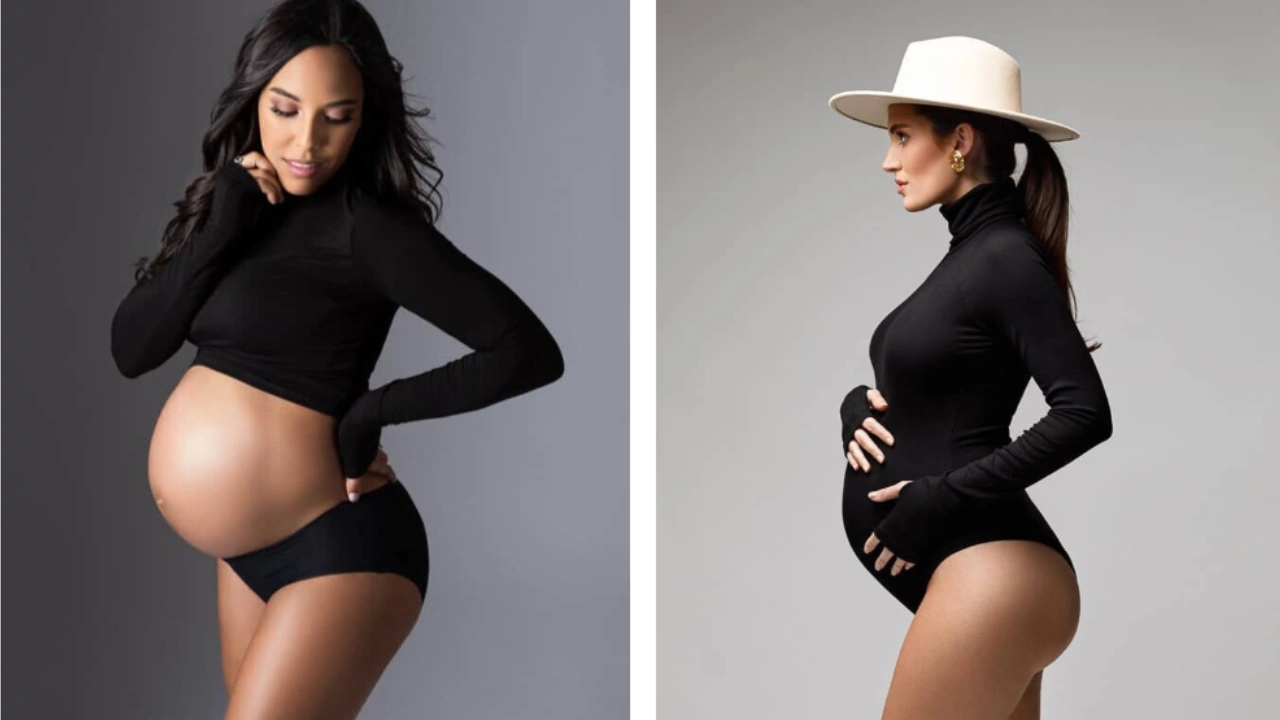
Mastering essential studio tools is an important part of creating high-quality maternity portraits. Tools like scrims, v-flats, and negative fill panels help photographers shape and control light with precision. V-flats can be used to either reflect light back onto the subject or block unwanted light spill. This helps maintain a clean, controlled lighting setup while preserving depth and dimension in the image.
Negative fill is another valuable technique. By using black panels or flags, photographers can reduce light in certain areas, which deepens shadows and enhances the natural contours of the body. This approach helps sculpt the baby bump and create a more three-dimensional look without relying heavily on editing during post-production.
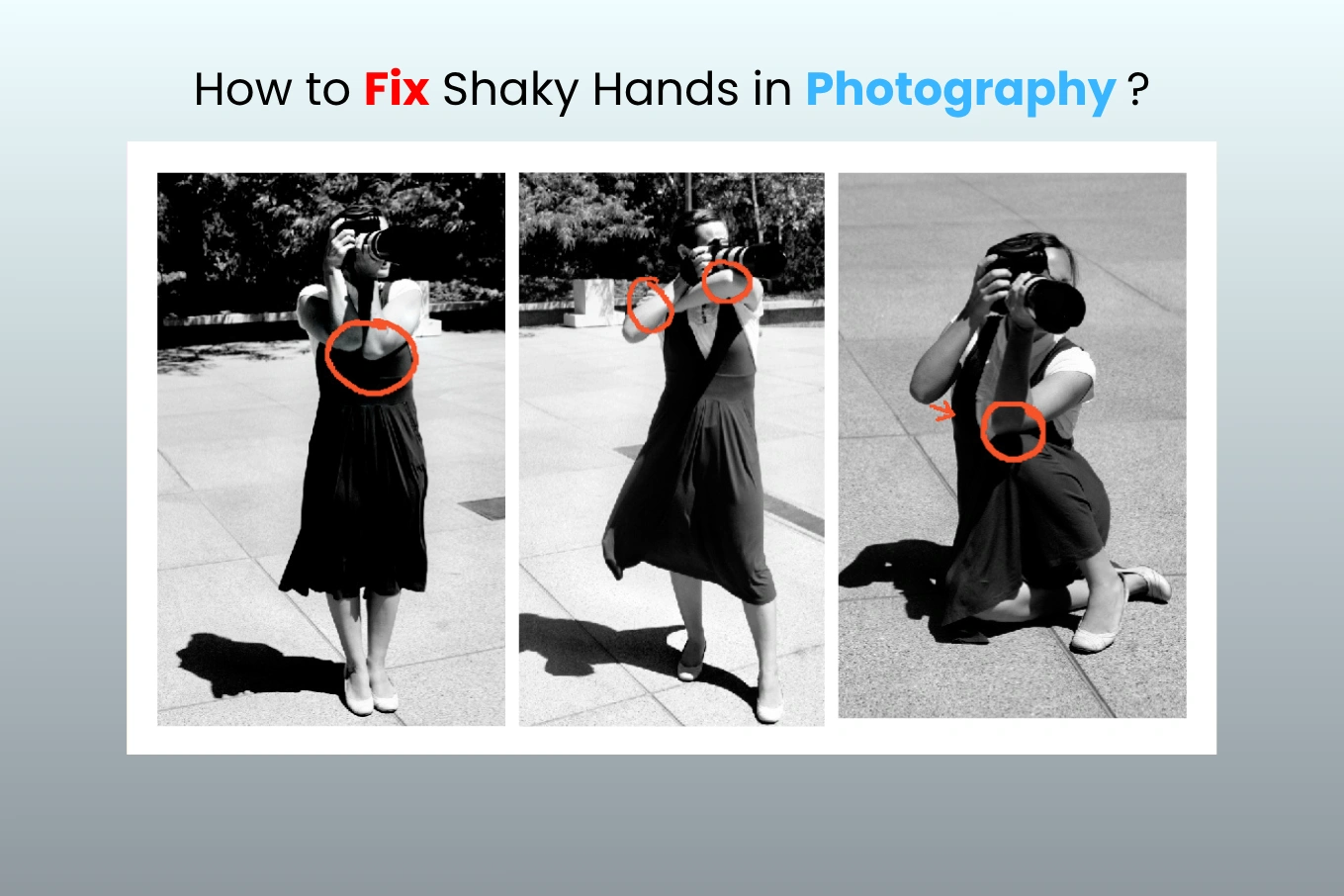
Using a tripod can also be very beneficial in studio maternity sessions, especially when consistency and precision are needed. A tripod keeps the camera steady, making it easier to capture composite images, such as combining multiple fabric tosses frozen at different moments or creating creative multiple exposures that show movement in hands or fabric.
However, not every moment requires a fixed setup. When capturing emotional and spontaneous interactions, shooting handheld allows the photographer to move freely and respond quickly to subtle expressions and changes in energy. This flexibility helps capture genuine, heartfelt moments between the mother and her unborn baby.
By combining the right tools with thoughtful technique, photographers can maintain control over lighting while still allowing space for creativity and emotional expression.
Directing Emotional Resonance: Capturing the Beauty of Motherhood
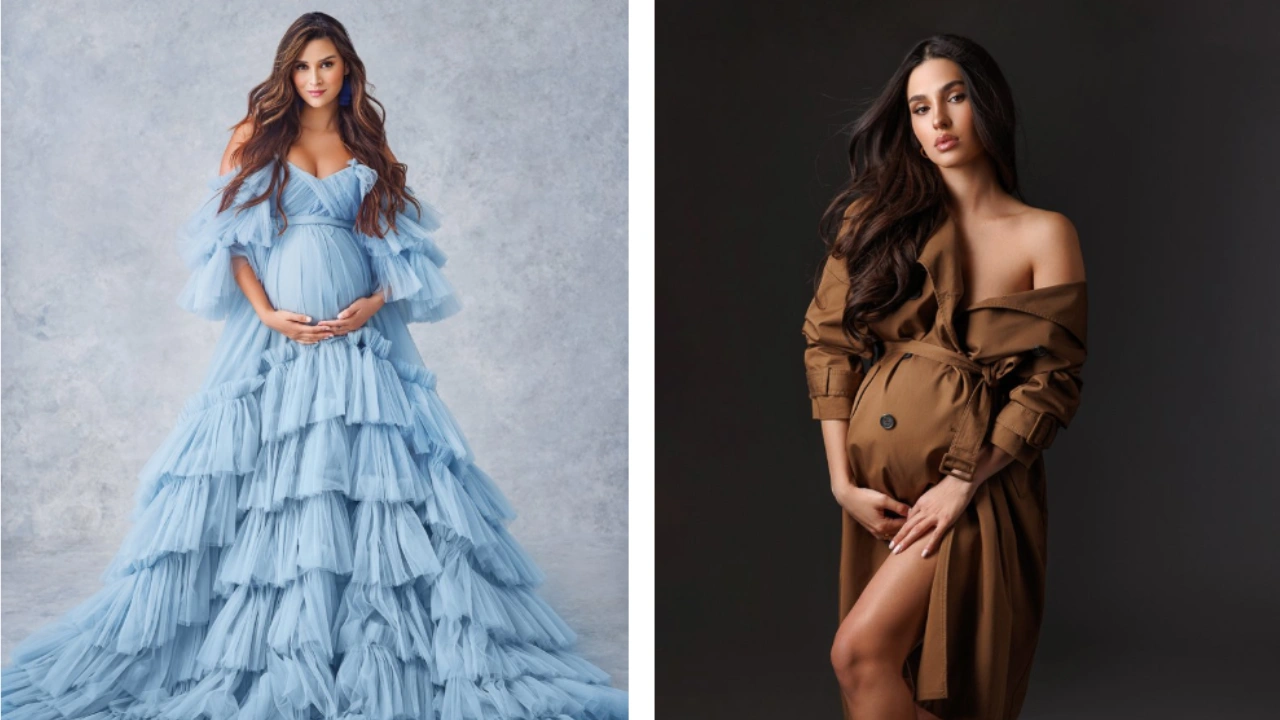
Studio maternity photography is a deeply personal and collaborative experience. One of the most important aspects is creating a sense of psychological safety so the mother-to-be feels comfortable, relaxed, and confident throughout the session. This is especially important because many clients may feel physically vulnerable under studio lights while wearing flowing gowns or delicate fabrics. When the environment feels supportive and calm, it becomes much easier to capture natural expressions and genuine emotions.
A well-structured, slow-paced flow is essential for a smooth session. Beginning with simple and comfortable poses, such as seated positions or standing near a backdrop where the client can gently rest her weight, helps the mama ease into the experience. These starting points allow her to adjust gradually to the setting while building trust with the photographer.
As the session progresses, transitions between poses should remain soft and unhurried. Avoiding abrupt changes and instead guiding the client step by step helps maintain a relaxed atmosphere. This thoughtful pacing not only reduces stress but also allows the client to stay present in the moment.
When the session is handled with care, patience, and clear direction, the experience becomes more meaningful. The result is not just beautiful images, but a collection of portraits that reflect comfort, trust, and the true emotional essence of motherhood.
Directorial Phrasing Techniques
In maternity photography, the way a photographer communicates can greatly influence the final outcome of the images. Words play an important role in shaping the mood, expression, and body language of the client. Instead of relying only on technical instructions, using gentle and emotional guidance often produces more natural and authentic results.
Direct physical commands like adjusting the head or repositioning the hands can sometimes feel rigid or unnatural. In contrast, offering soft and expressive cues helps the mother-to-be relax and connect with the moment. For example, phrases such as “take a slow breath” or “close your eyes and relax” encourage a calm state of mind. When the client feels at ease, her posture, facial expression, and overall presence become more genuine and fluid.
Emotional direction helps create a deeper connection between the subject and the session. It allows the photographer to capture not just a pose, but a feeling. This approach brings harmony to the composition, where the baby bump, clothing, and expression all come together naturally.
By focusing on thoughtful communication, photographers can guide the session in a way that feels supportive and respectful. The result is maternity portraits that reflect real emotion, comfort, and a meaningful sense of connection to the experience of pregnancy.
Energy Direction Across Session
Managing energy throughout a maternity photo session is essential for creating a natural and meaningful flow. Rather than starting with complex poses or dramatic setups, it is more effective to build the session gradually. This allows the mother-to-be to become comfortable in front of the camera and develop confidence over time.
In the beginning, the focus should be on calm and simple moments. Gentle poses and relaxed expressions help the client settle into the environment. These early stages are about creating ease and allowing her to feel present without pressure. As the session continues, the photographer can slowly guide the energy upward, introducing more expressive poses and stronger compositions.
The more sculptural and dramatic poses are best saved for the later part of the session. By this time, the client is usually more relaxed, confident, and familiar with the process, which makes it easier to capture powerful and striking images. Expressions can also evolve naturally—from quiet and reflective to joyful and expressive, and finally to confident and empowering moments that celebrate motherhood.
Throughout the session, small and thoughtful adjustments, often referred to as micro-coaching, help refine each pose. Simple guidance like adjusting posture slightly, encouraging a deeper breath, or inviting a soft smile can make a noticeable difference. These subtle directions help bring out genuine emotion and ensure that each image reflects a different aspect of the client’s personality and experience.
By carefully directing energy from start to finish, the session becomes a smooth progression that captures both intimacy and strength, resulting in maternity portraits that feel authentic, dynamic, and emotionally rich.
Advanced Retouching for Maternity Photographs
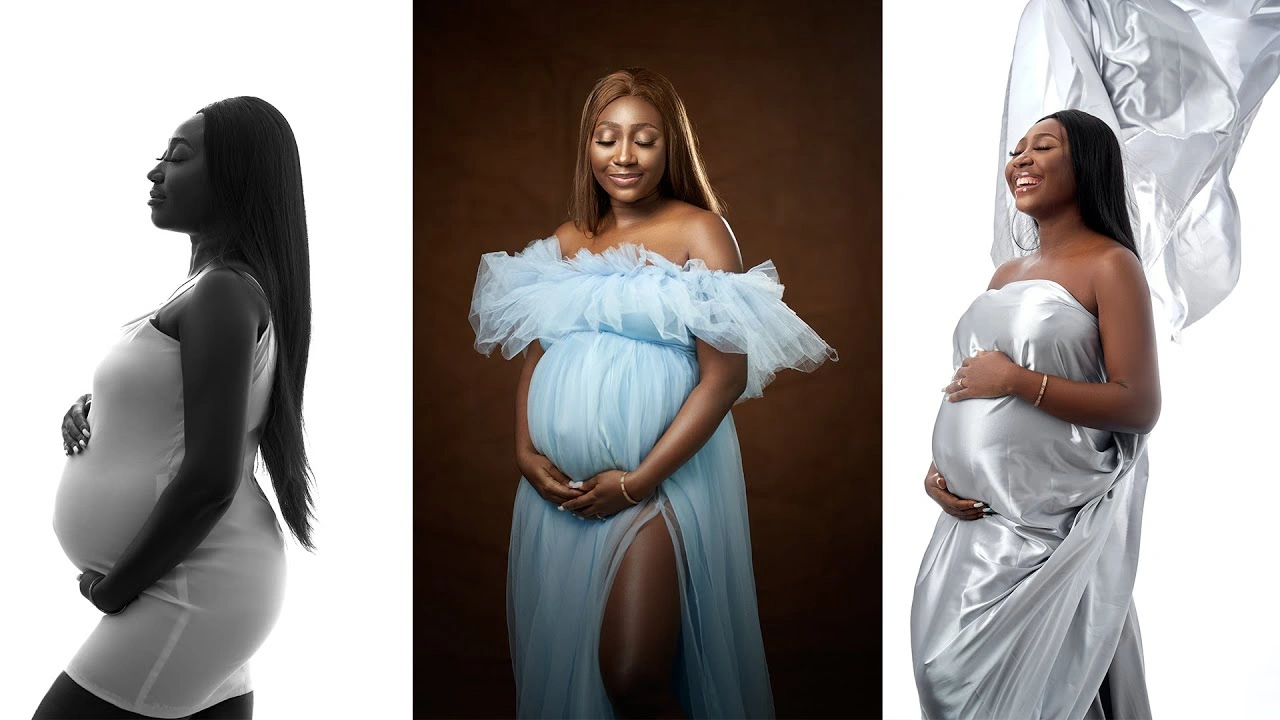
Retouching maternity photos in a studio setting requires a careful balance between enhancing the image and preserving its natural authenticity. The goal is not to change the subject, but to refine the photograph in a way that still respects the true beauty of pregnancy. Skin retouching should focus on subtle improvements rather than heavy alterations. Natural changes in the skin, such as slight redness, temporary texture variations, or mild pigmentation, are part of the pregnancy journey and should be handled with care. Instead of removing these completely, the emphasis should be on smoothing transitions, evening out tones gently, and maintaining realistic skin texture.
It is also common to see minor garment marks or light pressure lines on the belly, especially when using fitted dresses or wraps. These can be corrected with careful editing techniques, such as subtle liquify adjustments. However, it is important to ensure that the natural shape of the baby bump remains unchanged. The purpose of retouching is to enhance the image while keeping the subject’s body honest and true to form.
Color Grading for Studio Maternity
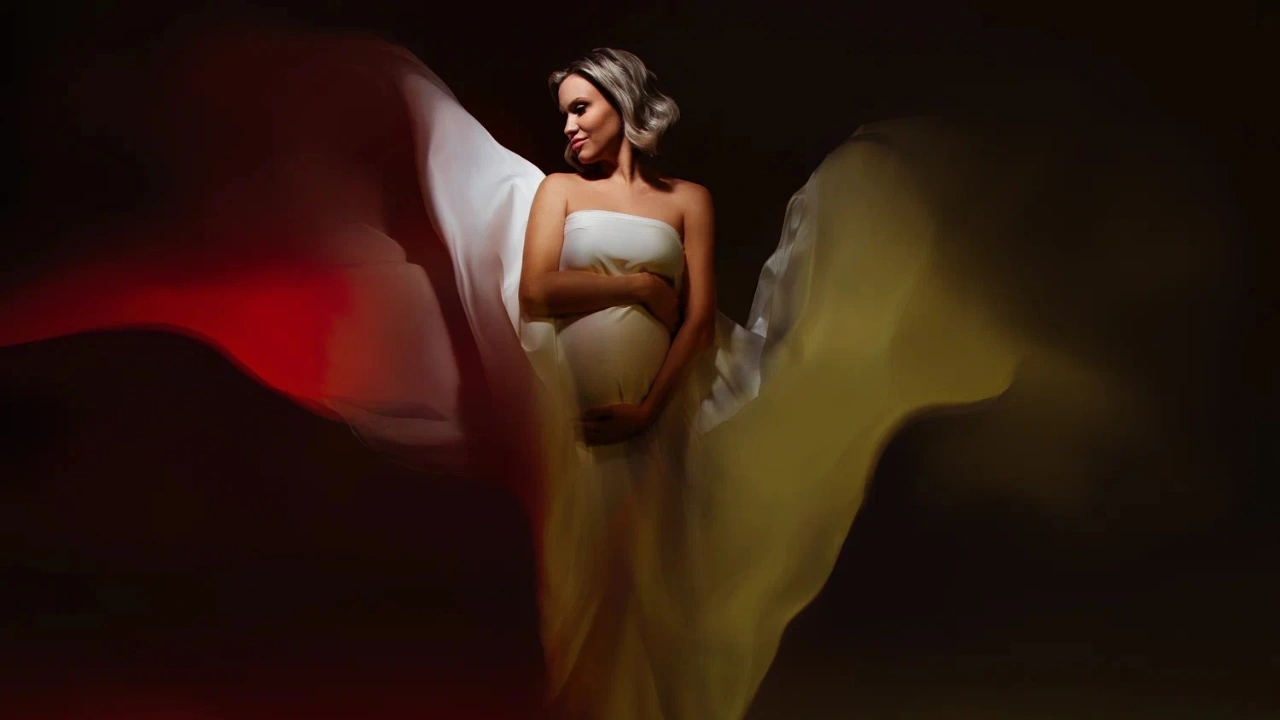
Color grading plays an important role in shaping the emotional tone of maternity portraits. The choice of tones should complement both the subject’s skin tone and the overall mood created during the session. Warm tones, such as soft golds and earthy hues, can enhance the natural glow of pregnancy and create a comforting, radiant feel. These tones often work well for images that aim to express warmth, love, and connection.
Cooler tones, on the other hand, can bring a sense of calmness and elegance. They are often used in maternity images that are designed to feel serene, minimal, and timeless. In some cases, carefully crafted monochromatic or black-and-white treatments can produce powerful results by emphasizing form, light, and emotion without the distraction of color.
It is important to apply color grading thoughtfully. Over-desaturation can reduce the emotional impact of an image and make it feel less vibrant. Instead, subtle and intentional adjustments help preserve the richness of the moment while enhancing the overall aesthetic. When done correctly, color grading supports the story of the image and adds depth, mood, and harmony to the final maternity portraits.
Gallery Structure
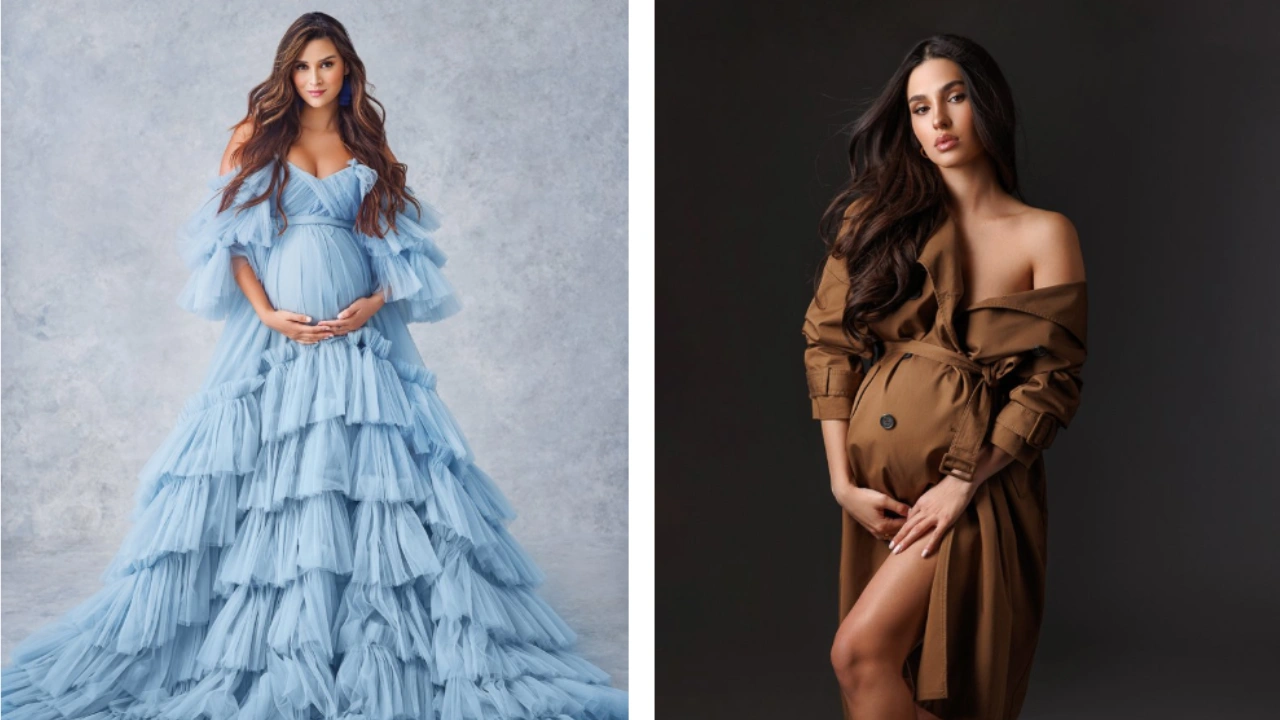
The way a final gallery is organized is just as important as the individual maternity photographs it contains. A well-curated gallery should feel like a complete visual story rather than just a collection of images. By arranging the photos with intention, you can create a natural emotional flow that guides the viewer through the session.
It is often effective to begin the gallery with softer, more intimate images. These photos help set the tone and introduce a sense of calm and connection. As the gallery progresses, the images can gradually build in strength and visual impact, leading toward the most striking and expressive portraits. This progression creates an emotional arc that feels engaging and meaningful from start to finish.
Careful selection of images is a key part of this process. Not every photo needs to be included. Instead, the focus should be on choosing only the strongest images that meet high standards in terms of technical quality, emotional expression, and storytelling. This selective approach ensures that each image in the gallery serves a purpose and contributes to the overall narrative.
Prioritizing quality over quantity is especially important in maternity photography. Each photograph represents a significant and personal moment in a mother’s journey. By delivering a thoughtfully structured gallery filled with carefully chosen images, the final result becomes more impactful, cohesive, and memorable for the client.
Enhance Your Maternity Photos with Cutout Partner’s Expert Editing Services
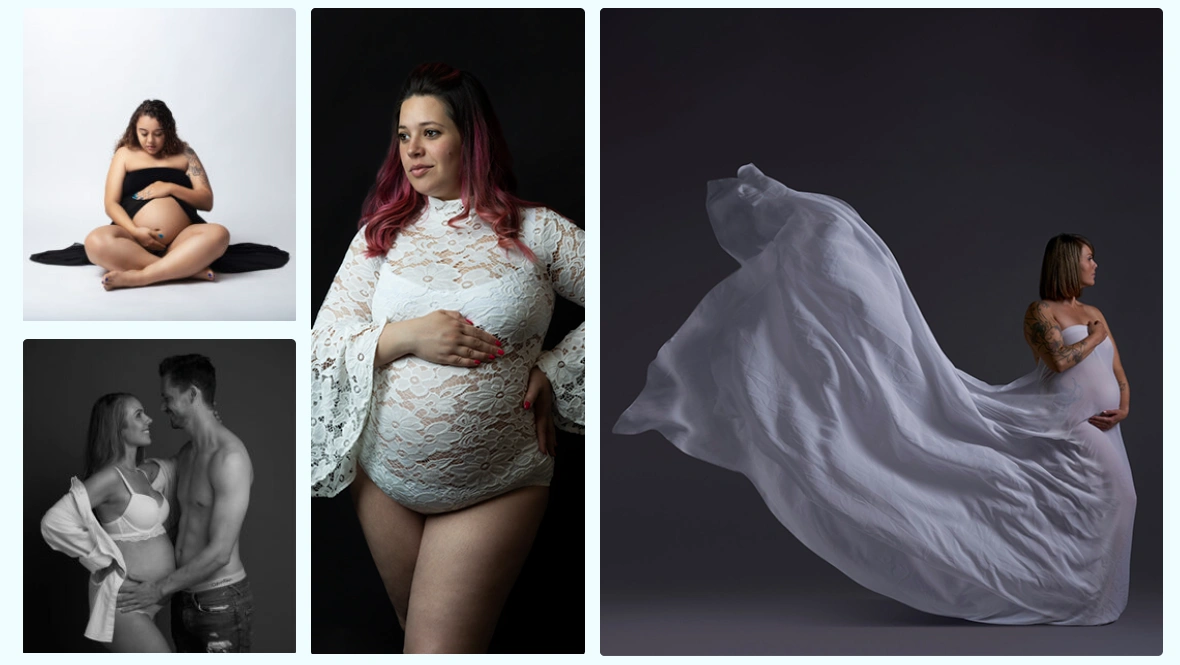
Enhancing maternity photos requires a careful balance of technical precision and artistic sensitivity. Every image captured during a maternity session holds emotional value, and professional editing helps preserve and elevate those moments without losing their natural essence. This is where Cutout Partner plays a significant role, offering expert maternity photography editing services designed to refine and enhance images while maintaining authenticity.
Professional Maternity photo editing focuses on subtle improvements rather than heavy alterations. Skilled editors work on skin tone correction, gentle smoothing, and removal of temporary blemishes while preserving natural texture. The goal is to enhance the subject’s beauty without making the image look artificial. Attention is also given to lighting adjustments, ensuring proper exposure, balanced contrast, and a soft, flattering glow that highlights the baby bump and overall composition.
In addition to skin retouching, background cleanup and object removal help create distraction-free images. This allows the viewer’s attention to remain on the subject, emphasizing the emotional connection and the beauty of motherhood. Color correction and grading further enhance the mood of the photograph, whether it’s a warm, dreamy tone or a soft, timeless look.
Choosing a professional editing partner like Cutout Partner ensures consistency, high-quality results, and a polished final gallery. Their expertise allows photographers to focus on capturing meaningful moments while trusting that the post-production process will bring out the best in every maternity image.
Conclusion
Studio maternity photography is a true form of sculptural art. Every element—lighting, backdrop, posing, and composition—is carefully designed to honor the incredible transformation a woman experiences as she carries new life. A maternity photoshoot should feel like a well-planned production, where each step is thoughtfully executed, from the initial consultation and wardrobe selection to lighting setup, posing direction, and final editing. A photographer who specializes in maternity photography understands that every decision plays a role in capturing not only visually beautiful images but also the emotional depth behind them.
In today’s fast-paced world, where trends change quickly, studio maternity photography requires patience, consistency, and a deep respect for the meaning of motherhood. Creating timeless images is far more important than following temporary styles. A successful maternity session produces photographs that remain meaningful for years to come—images that families can look back on and cherish as part of their personal history.
There are many creative directions to explore, from soft and romantic styles to bold, high-contrast black-and-white portraits. However, every approach should remain focused on celebrating the purpose of the session. Maternity photography is about more than just visuals; it is about capturing a moment in time that represents love, anticipation, and new beginnings.
When approached with care and intention, maternity photography becomes a lasting legacy. Each image reflects a unique story of motherhood, making it a powerful reminder of one of life’s most meaningful journeys.
Turn your beautiful maternity shots into stunning, timeless works of art with expert editing from Cutout Partner. We understand the delicate details, soft tones, and emotional depth that maternity photography deserves.
From skin retouching and color correction to background enhancement and high-end finishing, our team ensures every image reflects elegance, warmth, and perfection.
✨ Let your photos truly shine
✨ Deliver flawless results to your clients
✨ Save time and focus on your creativity
Contact Cutout Partner today and elevate your maternity photography with professional editing that makes every moment unforgettable.

Share this post
Ready to transform your images?
Elevate your brand with stunning, high-impact visuals. We’ll refine your photos to leave a lasting impression!
Get Started Now!