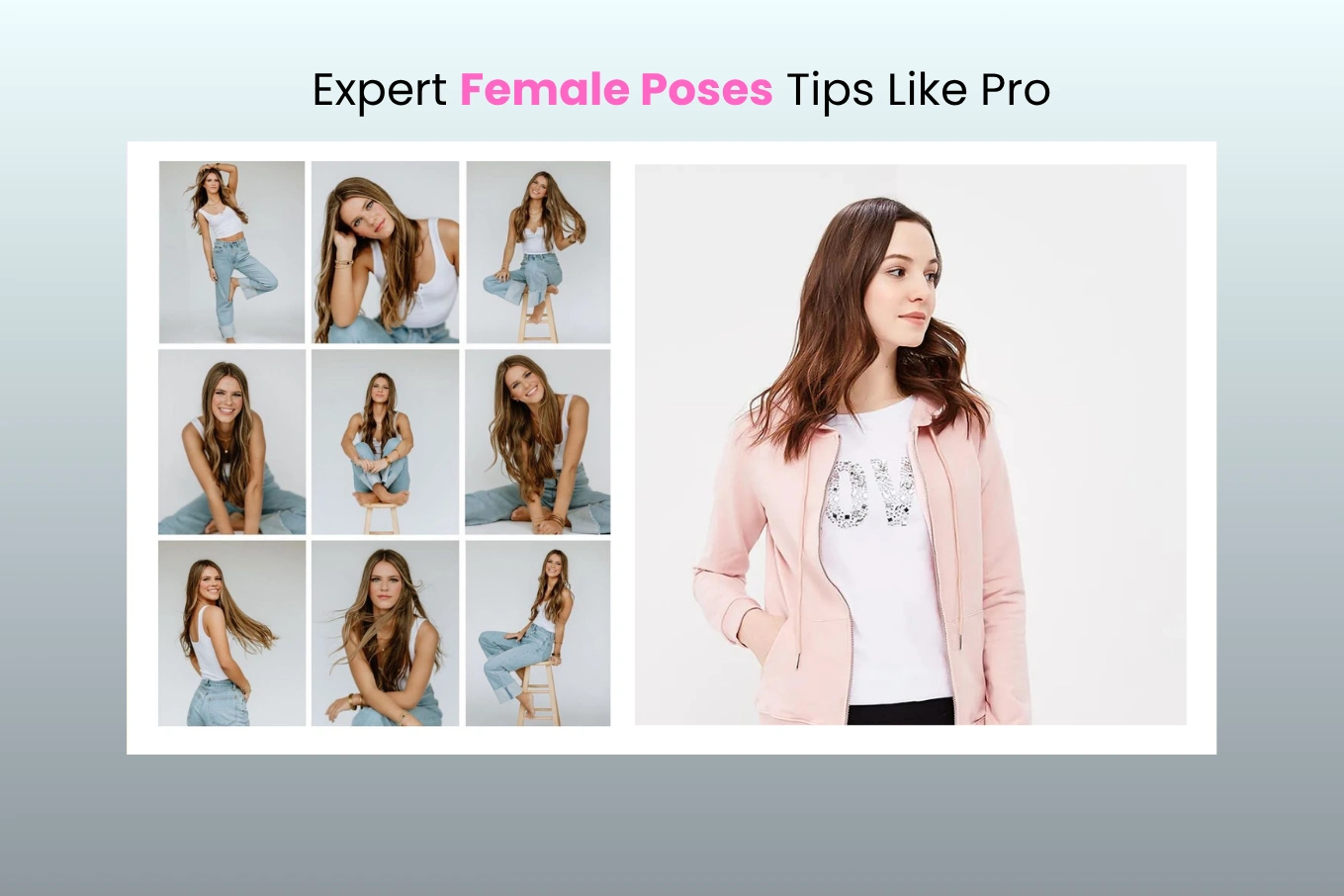
Female Poses: 12 Expert Posing Tips for Photographing Women Like a Professional
Cutout Partner
April 8, 2026
20 views
Female posing is one of the most powerful elements in portrait photography, shaping not only how a subject looks but also how she feels within the frame. The right pose goes beyond simple positioning—it highlights natural curves, defines body lines, and communicates confidence, elegance, and personality through subtle body language. Whether in studio sessions or on-location shoots, understanding how posture, angles, and expression work together allows photographers to create images that feel authentic and visually compelling. With thoughtful guidance, even small adjustments can transform an ordinary portrait into a refined, expressive, and professional-quality photograph that truly stands out.
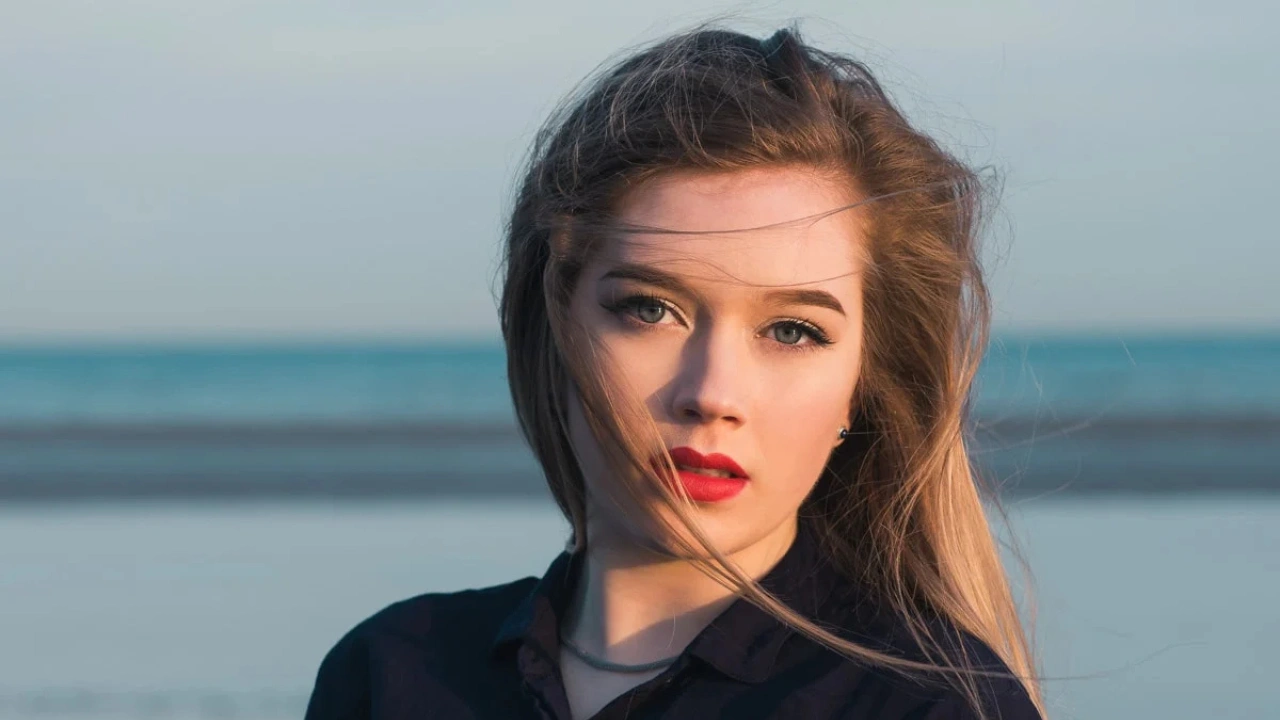
Cutout Partner is a leading post-production and image editing solution provider. As a professional photo editing agency, we specialize in services including Photoshop work, image editing, post-production, camera-related guidance, and practical tips and tricks designed for photographers. We believe that posing women is not simply about making them appear more attractive in photographs; rather, female poses are a way of highlighting and celebrating the natural form and elegance of the female body.
However, posing women for photography goes far beyond appearance—it is deeply connected to body language. In everyday face-to-face interactions, our body language communicates subtle signals about our emotions, thoughts, and personality. Some individuals naturally express themselves more openly through gestures and posture, while others are more reserved in how they present themselves.
In the context of photography, posing becomes a visual language that allows us to communicate meaning without words. Through carefully guided body positioning, posture, and expression, a photograph can convey emotion, confidence, softness, or strength, all within a single frame.
When working with female portrait photography, poses are not only about shaping a visually pleasing composition, but also about telling a story. Each pose contributes to the overall message of the image, adding depth, character, and emotional connection that goes beyond surface-level aesthetics.
Now, let’s explore how to effectively pose women to achieve natural, flattering, and professional-looking results in photography.
Accentuating and Minimizing Curves When Posing Women
When posing women for photography, one important principle to remember is that anything positioned closer to the camera will appear larger, while elements farther away will look smaller. This simple concept can help you shape the subject in a more flattering and balanced way.
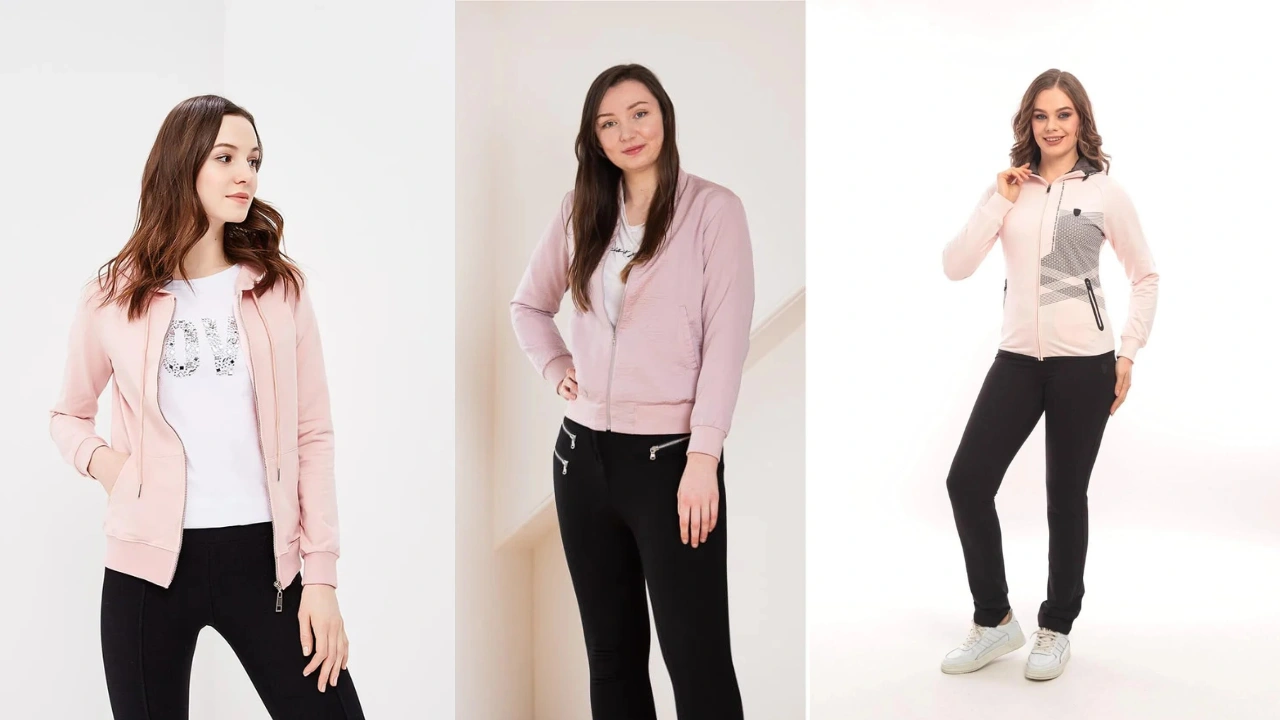
For example, if you want to create a slimmer appearance around the hips, you can guide the subject to shift her weight onto the back foot. In a standing pose where one foot is slightly forward, the body weight should be placed on the leg that is farther from the camera. This naturally pushes the hips slightly backward, helping them appear more refined and proportionate in the frame.
Hand placement is also an important detail to consider in female posing. Hands that are extended too far forward toward the camera can appear larger and may disrupt the overall balance of the composition. Keeping the hands relaxed and closer to the body helps maintain a natural look while keeping the focus on the subject rather than distracting elements.
By understanding these subtle positioning techniques, photographers can create more flattering portraits that enhance natural body shape while maintaining a clean, professional visual composition.
Female Poses – If It Bends, Bend It
One of the most fundamental rules in posing women is simple: if a body part can be bent, it should be bent. Since the female form naturally includes curves, introducing bends in the arms and legs helps enhance those curves and creates a more dynamic and visually pleasing shape. A quick look through fashion magazines will show how commonly this technique is used in professional female modeling poses.
Bending the arms helps emphasize natural curves in areas such as the waist and the small of the back. When the arms are slightly bent and positioned thoughtfully, they frame the body rather than flatten it, allowing the silhouette to appear more defined and elegant.
The same principle applies to the legs. When a woman bends one leg and shifts her weight onto the other, it naturally pushes the hip outward on one side. This creates a soft curve that becomes more noticeable when the subject is facing the camera. This simple adjustment can significantly improve the overall balance and shape of the pose.
When the subject is positioned side-on to the camera, the effect becomes even more pronounced. This angle highlights the natural feminine shape by emphasizing both the outward curve of the hips and the inward curve of the lower back, resulting in a more sculpted and graceful profile.
For example, placing a hand on the hip of the bent leg can help extend and reinforce the visual flow of the pose. This not only accentuates the curve of the waist or back but also creates a continuous line from the arm through the leg, adding harmony and elegance to the composition. Additionally, creating a slight gap between the arm and the torso can make the subject appear slimmer, as it avoids compressing the body and allows the shape to breathe within the frame.
By encouraging natural bends and thoughtful positioning, photographers can create female poses that feel both relaxed and visually refined while enhancing the subject’s natural shape in a flattering way.
Female Poses to Create Space Between Arm and Body
When posing women, one important detail that often gets overlooked is the space between the arms and the body. If the arms are pressed tightly against the torso, it can make the body appear wider than it actually is, since the width of the arms is added to the width of the body. For this reason, it is essential to create a small gap between the arm and the waist to achieve a more flattering and balanced look.
A common and effective pose that achieves this is placing the hands on the hips. However, the space does not need to be exaggerated to be effective. Even a subtle separation between the arm and the body can make a noticeable difference in how the subject appears in the frame.
There are a couple of simple techniques to create this space naturally. One approach is to ask the subject to place her hand along the side of her leg and then slowly slide the hand upward while bending the elbow. This movement naturally creates a small opening between the elbow and the waist, helping to separate the arm from the body without making the pose feel forced.
Another technique works well when the subject is posed at a slight angle to the camera. In this case, you can guide her to lean her shoulders slightly backward while allowing the arm closest to the camera to hang naturally behind the body. This creates a subtle gap that enhances the silhouette and improves the overall composition.
This small “window” of space between the elbow and the waist has two important effects. First, it reduces the perceived width of the body, making the subject appear more streamlined. Second, it helps define and emphasize natural curves, which contributes to a more aesthetically pleasing pose.
It is also important to remember that posing is not always about making a subject look slimmer. In some cases, especially with slimmer body types, the goal is to introduce more visible curves. By adjusting arm placement and body positioning, photographers can enhance the natural shape and create a more balanced and expressive portrait.
When working with poses, be mindful of foreshortening, which occurs when limbs point directly toward the camera and appear shorter than they actually are. This can be avoided by slightly adjusting the angle of the arms and body so that limbs are not directed straight at the lens.
In poses that follow the S-curve concept, shifting the weight onto the front leg and carefully positioning the arms can further enhance the natural flow of the body. The combination of weight distribution, arm placement, and subtle spacing between the arm and torso helps create a more dynamic, elegant, and visually appealing female portrait.
The Magic of 45 Degrees for Female Poses
When it comes to flattering female poses, one of the most effective and widely used techniques is positioning the subject at an angle rather than having her face the camera directly. Shooting at approximately a 45-degree angle often produces more visually appealing results compared to a straight-on stance.
When a woman faces the camera squarely, her full width is visible, which can make the subject appear broader in the frame. By turning the body slightly to a 45-degree angle, the visible width is naturally reduced, creating a slimmer and more refined silhouette. This subtle adjustment helps define the body’s natural contours while maintaining a relaxed and natural appearance.
This angled positioning also enhances depth in the image. Instead of a flat, two-dimensional look, the body gains dimension, allowing curves and lines to be more clearly defined. The shoulders, waist, and hips are no longer aligned in a straight plane, which adds visual interest and improves the overall composition.
In addition, the 45-degree angle works well in combination with other posing techniques such as shifting weight to one leg or slightly turning the head back toward the camera. These combined adjustments help create a more dynamic and engaging portrait while keeping the pose comfortable and natural for the subject.
For photographers working in portrait or commercial photography, especially in eCommerce or studio environments, this angle is a reliable foundation for creating consistent, flattering results across different body types. It provides a balance between visibility and contour, ensuring that the subject looks both confident and well-proportioned in the final image.
The Feminine S Shape in Female Posing
The beauty of the female form is most naturally expressed through curves, which is why emphasizing these curves is a key principle in female posing. Whether the subject is standing, sitting, or lying down, the goal is to highlight the body’s natural lines in a way that feels graceful, balanced, and visually appealing.
One of the most effective ways to achieve this is by working with the concept of the S shape. This involves positioning the body so that it forms a gentle, flowing curve from head to toe. The S curve is widely recognized in photography because it enhances the natural femininity of the body and creates a sense of movement and elegance within the frame.
The S shape can be applied to the entire body by combining subtle adjustments in posture, weight distribution, and limb positioning. For example, shifting the weight onto one leg, slightly arching the back, and gently curving the torso all contribute to forming this signature shape. The arms and head can also be positioned in a way that complements the overall flow of the body, rather than interrupting it.
What makes the S curve particularly effective is its versatility. It works well whether the subject is photographed from the front, side, or even from behind. Regardless of the angle, the continuous flow of curves helps create a flattering and cohesive silhouette that draws the viewer’s eye naturally through the image.
In standing poses, the S curve often contributes to an hourglass-like appearance by defining the waist and enhancing the balance between the upper and lower body. This creates a visually pleasing proportion that is both elegant and confident, making it a popular choice in portrait, fashion, and commercial photography.
By incorporating the S shape into female posing, photographers can consistently produce images that feel natural, expressive, and refined, while showcasing the subject’s form in its most flattering light.
Female Poses for Defining the Waist
When posing women, defining the waist is one of the most effective ways to create a balanced and visually appealing silhouette. Whether the goal is to emphasize an hourglass shape or to gently introduce more structure to a slimmer figure, thoughtful posing techniques can make a significant difference in how the waistline appears in the final image.
There are several posing approaches that help draw attention to the waist while maintaining a natural and relaxed look. Subtle adjustments in posture, arm placement, and body angle can all contribute to enhancing this area without making the pose feel forced or artificial. The key is to guide the subject into positions that naturally create definition rather than relying on rigid or exaggerated movements.
At first glance, this approach may seem to contradict the earlier principle of creating space between the arm and the body. In this case, however, the objective is slightly different. While the arm should not rest flat against the side of the body, it also should not hang loosely in a way that adds unnecessary width to the silhouette. Instead, the arm should be positioned in a way that supports the shape of the waist without compressing it.
For example, gently placing the hands on the waist or slightly adjusting the arms away from the torso can help frame the midsection. This creates a natural contour that draws the viewer’s eye inward, emphasizing the narrowest part of the body. Even small changes in arm positioning can influence how the waistline is perceived, making the subject appear more defined and proportionate.
For slimmer subjects, these techniques can be used to introduce the appearance of a more defined waist, adding curves where needed to create a more balanced look. For curvier subjects, the same principles can help refine and structure the waistline, ensuring that the overall composition remains elegant and harmonious.
Ultimately, defining the waist in female posing is about control and intention. By carefully positioning the arms, adjusting posture, and guiding the body into natural alignment, photographers can enhance the waistline in a way that complements the subject’s unique shape while maintaining authenticity and visual appeal.
Slimming Pose for Female Portraits Sitting Down
When posing women in seated positions, one of the most effective techniques for creating a slimmer and more defined waist is to guide the arms in a way that gently frames the body rather than compressing it. Instead of allowing the arms to rest passively along the sides, directing the subject to bring one arm across the body can significantly improve the overall silhouette.
By positioning the arm across the torso, the visual width of the shoulders appears broader in comparison to the point where the arm crosses the body. This contrast naturally creates the illusion of a narrower waist, helping to enhance proportions without requiring any unnatural posture. The result is a more balanced and flattering composition that feels both relaxed and intentional.
When working with seated poses, it is especially important to avoid letting the arms obscure the waistline completely. While it may seem comfortable for the subject to rest their arms close to the body, this can unintentionally flatten the shape and reduce definition in the midsection. Instead, the arms should be used as a tool to subtly guide the viewer’s eye and emphasize the contours of the body.
A practical approach is to have the subject cross one arm across the body while keeping the hand relaxed and visible from the camera’s perspective. The other arm can then be positioned in a way that adds structure to the pose, such as resting lightly on the forearm or being raised to frame the face. This combination not only adds visual interest but also helps create layers within the composition, making the portrait feel more dynamic.
This technique is particularly effective when photographing subjects facing the camera in a seated position, as the natural compression of the torso can make the waist less defined. By carefully arranging the arms, the photographer can reintroduce shape and dimension to the midsection, restoring balance to the overall pose.
Although especially useful in seated portraits, this approach can also be adapted for standing poses. In both cases, the underlying principle remains the same: use the arms intentionally to guide attention, enhance structure, and create a more flattering representation of the subject’s natural form.
Slimming Trick for Female Standing Poses
When a woman is positioned at an angle rather than facing the camera directly, particularly at around a 45-degree stance, it becomes much easier to create a naturally flattering silhouette. This angled positioning allows the body to form gentle curves rather than appearing flat, which plays a key role in enhancing the overall composition of the portrait.
At this angle, the curve at the small of the back becomes more pronounced, which helps define the waist and create the appearance of a slimmer midsection. Instead of presenting the body in a straight, front-facing line, the slight rotation introduces depth and dimension, allowing the natural contours of the body to stand out more clearly. This is where the well-known S curve begins to take shape, adding elegance and flow to the pose.
Arm positioning also plays an important role in reinforcing this effect. When the arms are brought across the body or positioned in a way that complements the torso, they help guide the viewer’s eye along the natural lines of the figure. This not only supports the waist definition but also contributes to a more cohesive and balanced overall pose. The arms should feel integrated into the composition rather than separate from it, working together with the body to enhance the final look.
In practical use, variations of this technique can be applied in both sitting and standing poses. Whether the arms are crossed lightly across the body or arranged to frame the torso, the intention remains the same: to create structure, define shape, and emphasize curves in a subtle and natural way.
By combining an angled stance with thoughtful arm placement, photographers can consistently achieve portraits that highlight the waistline while maintaining a relaxed and authentic appearance. This approach is widely used in portrait photography because it delivers reliable, flattering results across different body types and shooting scenarios.
Confident Portrait Poses for Women
Confidence is one of the most powerful elements you can convey in female portrait photography. When a woman appears confident in an image, it not only enhances her visual presence but also creates a stronger emotional connection with the viewer. For this reason, many photographers aim to capture poses that communicate strength, self-assurance, and a subtle sense of attitude while still maintaining elegance and natural expression.
One important consideration in achieving this look is the camera angle. Photographing a subject from a high angle, where the camera is positioned above eye level and looking down, can unintentionally place the subject in a more passive or submissive visual position. While this angle may have been traditionally used in certain contexts, modern portrait photography often favors more neutral or level perspectives that better reflect confidence and equality in the composition.
Instead of relying on high angles, a more effective approach is to position the camera closer to eye level or slightly adjusted to suit the composition while maintaining a natural and balanced viewpoint. This helps the subject appear more grounded and self-assured within the frame. At the same time, subtle adjustments in posture and body orientation can further reinforce the feeling of confidence.
One of the key elements in confident posing is how the subject occupies space. Poses that allow the body to open up, with the arms positioned away from the torso or even raised slightly above the head, tend to convey a sense of strength and presence. These broader, more expansive poses communicate that the subject is comfortable and at ease, which translates into a confident visual message.
It is also important to understand that confidence does not always require strict adherence to every traditional posing guideline. While earlier principles such as bending limbs to create curves remain valuable, confident posing sometimes benefits from a more grounded and stable stance. When a subject distributes her weight evenly across both feet, it naturally creates a strong and balanced foundation. This stance, often associated with stability and authority, can enhance the overall impression of confidence.
However, standing squarely facing the camera with equal weight on both feet can sometimes make the subject appear wider. To balance this, a slight angle of the body—typically around 45 degrees—can be introduced while keeping the head turned back toward the camera. This combination preserves the confident stance while maintaining a more flattering silhouette.
Arm positioning also contributes significantly to the perception of confidence. Allowing the arms to rest naturally while still maintaining openness in the pose, or positioning them in a way that complements the body’s structure, helps avoid a closed or restricted appearance. When the arms are integrated thoughtfully into the pose, they enhance rather than distract from the subject’s presence.
In many successful confident portraits, the subject’s gaze plays a crucial role. Looking directly into the camera establishes a strong connection with the viewer and reinforces the sense of self-assurance. When combined with a solid stance, balanced body angle, and intentional arm placement, this direct engagement helps create portraits that feel powerful, composed, and authentic.
Ultimately, confident female posing is about creating a sense of presence rather than perfection. By combining posture, angle, body language, and expression in a cohesive way, photographers can capture images that reflect not only physical appearance but also inner strength and personality, resulting in portraits that are both visually compelling and emotionally resonant.
Head Angles of Posing for Women
One of the most impactful yet subtle elements in female portrait photography is the positioning of the head. Even the smallest adjustment in head angle can completely transform the mood, expression, and overall feel of an image, making it one of the most versatile tools a photographer can use when directing a subject.
Unlike full-body adjustments, head movements require only minimal changes to create noticeable variations in expression. By slightly tilting or rotating the head, a photographer can produce a range of emotions while keeping the same body pose. This allows for efficient shooting while still capturing a variety of looks that feel distinct and expressive.
For example, when a woman tilts her head slightly backward and maintains a direct gaze toward the camera, the resulting expression often conveys confidence and a sense of authority. This position naturally emphasizes the jawline and facial structure, which can enhance the definition of the face while projecting a strong and self-assured presence. It is a pose that works particularly well when the goal is to communicate boldness and attitude.
On the other hand, tilting the head slightly so that the ear closest to the camera moves toward the shoulder introduces a softer and more approachable expression. This subtle adjustment creates a sense of curiosity and openness, as if the subject is engaging in a quiet conversation with the viewer. It is a gentle and inviting look that works well for portraits aiming to feel warm and relatable.
Tilting the head in the opposite direction, where the ear farther from the camera moves closer to the opposite shoulder, can create a more dynamic and engaging expression. When combined with a slight downward tilt of the chin, this position often results in a thoughtful and composed appearance. If the chin is lifted slightly instead, the same head angle can introduce a more assertive or challenging tone, depending on the overall composition and expression.
These variations demonstrate how head positioning can significantly influence the emotional tone of a portrait without requiring major changes to the body pose. By simply adjusting the tilt, rotation, or angle of the head, photographers can guide the narrative of the image and highlight different aspects of the subject’s personality.
In practice, experimenting with head angles while maintaining a consistent body pose allows for a more efficient workflow and a broader range of final images. It also helps the subject remain comfortable, as they are not required to constantly change their entire posture. Instead, small, controlled movements create meaningful differences that enhance the overall storytelling of the portrait.
Ultimately, mastering head angles in female posing is about understanding how subtle movements translate into visual emotion. When combined thoughtfully with body positioning, lighting, and expression, these adjustments play a crucial role in producing portraits that feel natural, expressive, and visually compelling.
Speaking of Jawlines in Female Portrait Photography…
Head positioning in female portrait photography is not only about expression or mood, but it also plays a crucial role in defining facial structure, especially the jawline. Even for individuals who already have a naturally well-defined jaw, subtle adjustments in head angle can enhance its appearance further. For those who may have softer definition beneath the chin, the right positioning can make a noticeable difference in how the jawline appears in the final image.
One effective technique involves guiding the subject to gently move their face slightly forward toward the camera. Although this movement may feel a bit unusual or unnatural at first, it is highly effective in creating a more defined jawline. When done correctly, the subject will feel a slight stretch at the back of the neck, which is an indication that the pose is being executed properly. This forward movement helps separate the chin from the neck, reducing the appearance of fullness and improving overall definition.
It is important to communicate this adjustment carefully when directing the subject. Instead of instructing them to push their chin forward, it is often more natural and effective to ask them to push their face or forehead toward the camera. This subtle change in instruction helps avoid awkward tension in the jaw and encourages a smoother, more controlled movement.
In addition to forward movement, lowering the chin slightly can further refine the jawline. A gentle downward tilt, combined with the forward push, creates a clearer separation between the chin and the neck area. This combination enhances the structure of the lower face while maintaining a relaxed and natural expression. When viewed from the camera, this positioning results in a cleaner, more defined jawline that contributes to a polished and professional portrait.
Beyond the technical aspects, practicing these poses is essential for photographers who want to guide their subjects effectively. Demonstrating poses personally can make a significant difference, as subjects often find it easier to replicate a physical example rather than interpret verbal instructions alone. This approach not only improves accuracy but also helps create a more relaxed and engaging atmosphere during the shoot.
Using visual references can also be helpful when planning or conducting a session. Reviewing pose examples in advance allows photographers to quickly recall and apply different techniques without hesitation. Over time, building a small, manageable set of poses and becoming comfortable with them is more effective than attempting to memorize too many variations at once. Gradual learning helps develop confidence and consistency in directing subjects.
Finally, working with a variety of subjects, whether they are friends, family members, or professional models, provides valuable experience in applying these techniques across different face shapes and body types. Each session offers an opportunity to refine posing skills, improve communication, and better understand how small adjustments in head positioning can significantly enhance jawline definition and overall portrait quality.
By combining careful head positioning, clear direction, and consistent practice, photographers can achieve portraits that highlight facial structure in a natural and flattering way, resulting in images that are both technically strong and visually appealing.
Encourage Relaxed Posture
In portrait photography, one of the most important foundations for creating natural and flattering images is encouraging a relaxed posture. Stiffness in the body can quickly translate into tension in the final photograph, making the subject appear uncomfortable, rigid, or overly posed. This is especially noticeable in female portrait photography, where softness, fluidity, and natural elegance often play a key role in achieving visually appealing results.
A relaxed posture begins with simple but effective direction. As a photographer, guiding your subject to gently lower their shoulders can instantly reduce tension in the upper body. Many people unconsciously raise or tighten their shoulders when standing in front of a camera, which can create a closed-off or stressed appearance. By prompting them to consciously relax and drop their shoulders, you help open up the chest and create a more confident and comfortable stance.
Breathing also plays a significant role in relaxation. Encouraging your subject to take a slow, deep breath before settling into a pose can help release nervous energy. This small moment allows the body to reset, reducing stiffness in the face, neck, and shoulders. Often, the difference between a tense pose and a natural one can be achieved simply by timing the shot after a breath, when the subject is most at ease.
Another key element of relaxed posture is weight distribution. Asking your subject to shift their weight onto one leg rather than standing evenly on both feet introduces a subtle asymmetry that enhances the overall composition. This technique naturally creates a slight curve in the hips and torso, which adds shape and dimension to the pose. It also prevents the body from appearing flat or rigid, resulting in a more dynamic and engaging silhouette.
Small adjustments like these contribute significantly to the overall quality of the image. When the body is relaxed, the face tends to follow suit—expressions become more genuine, smiles appear more natural, and the eyes convey more emotion. On the other hand, tension in the body often leads to forced expressions, which can detract from the authenticity of the portrait.
Communication is equally important in helping your subject feel at ease. Clear, calm, and friendly direction can make a significant difference, especially for individuals who are not accustomed to being photographed. Demonstrating the pose yourself or giving simple, step-by-step instructions can help eliminate confusion and build confidence.
Ultimately, encouraging a relaxed posture is not just about physical positioning—it’s about creating a comfortable environment where the subject can express themselves naturally. When combined with thoughtful direction and attention to detail, this approach leads to portraits that feel effortless, elegant, and genuinely expressive.
Conclusion
Mastering female poses is not about following rigid rules, but about understanding how small, intentional adjustments can bring out the best in every subject. From shaping curves and defining the waist to using head angles, arm placement, and body positioning, each technique contributes to creating portraits that feel natural, balanced, and expressive. The goal is to guide rather than control, allowing the subject’s personality and confidence to shine through while enhancing their natural form. Consistency in practice, clear communication, and a good eye for detail all play a vital role in achieving professional results. When applied thoughtfully, these expert posing tips help photographers produce images that are not only visually appealing but also emotionally engaging. Ultimately, great female portrait photography combines technical skill with creativity and empathy, resulting in portraits that reflect both beauty and individuality in the most authentic way possible.
Need your photography to look flawless?
Get high-quality, standard-compliant edits that enhance every detail while maintaining a natural look. Save your valuable time and reduce production costs by outsourcing your post-processing needs. Contact Cutout Partner today—a top-leading photo editing agency specializing in delivering precise, efficient, and professional image editing services tailored for photographers, studios, and eCommerce businesses.
Share this post



Ready to transform your images?
Elevate your brand with stunning, high-impact visuals. We’ll refine your photos to leave a lasting impression!
Get Started Now!