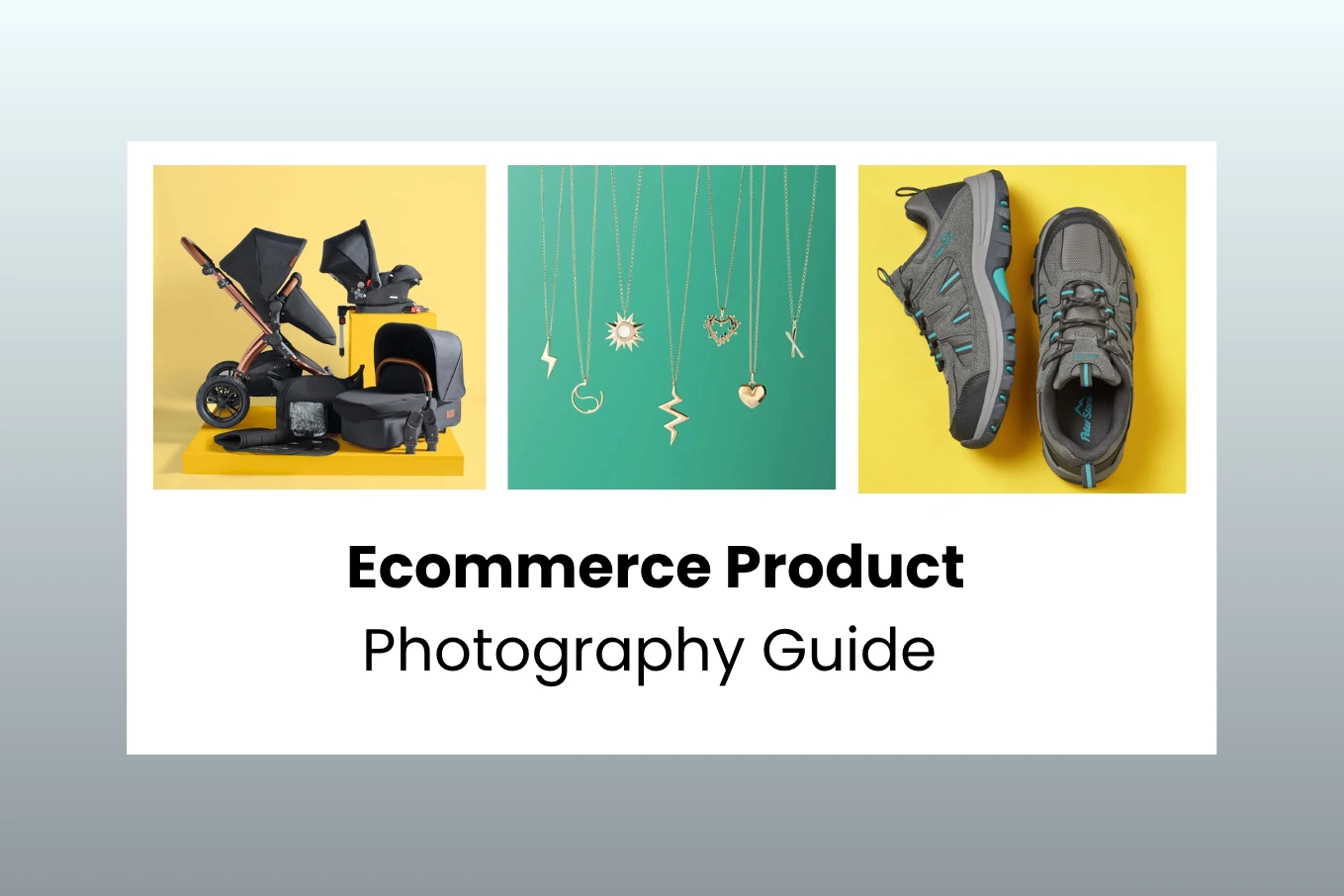
Ecommerce Product Photography Guide 2026: Pro Tips for High-Converting Product Images
Cutout Partner
April 13, 2026
0 views
Product photography plays a key role in the success of any ecommerce business. Whether you are an online business owner or a marketing professional, having a strong understanding of product photography can greatly enhance your brand’s visual presentation and boost sales performance. Our expert ecommerce product photography guide covers everything you need to know, including different styles, creative concepts, technical requirements, and practical tips to help you achieve high-quality results.
Types of Product Photography
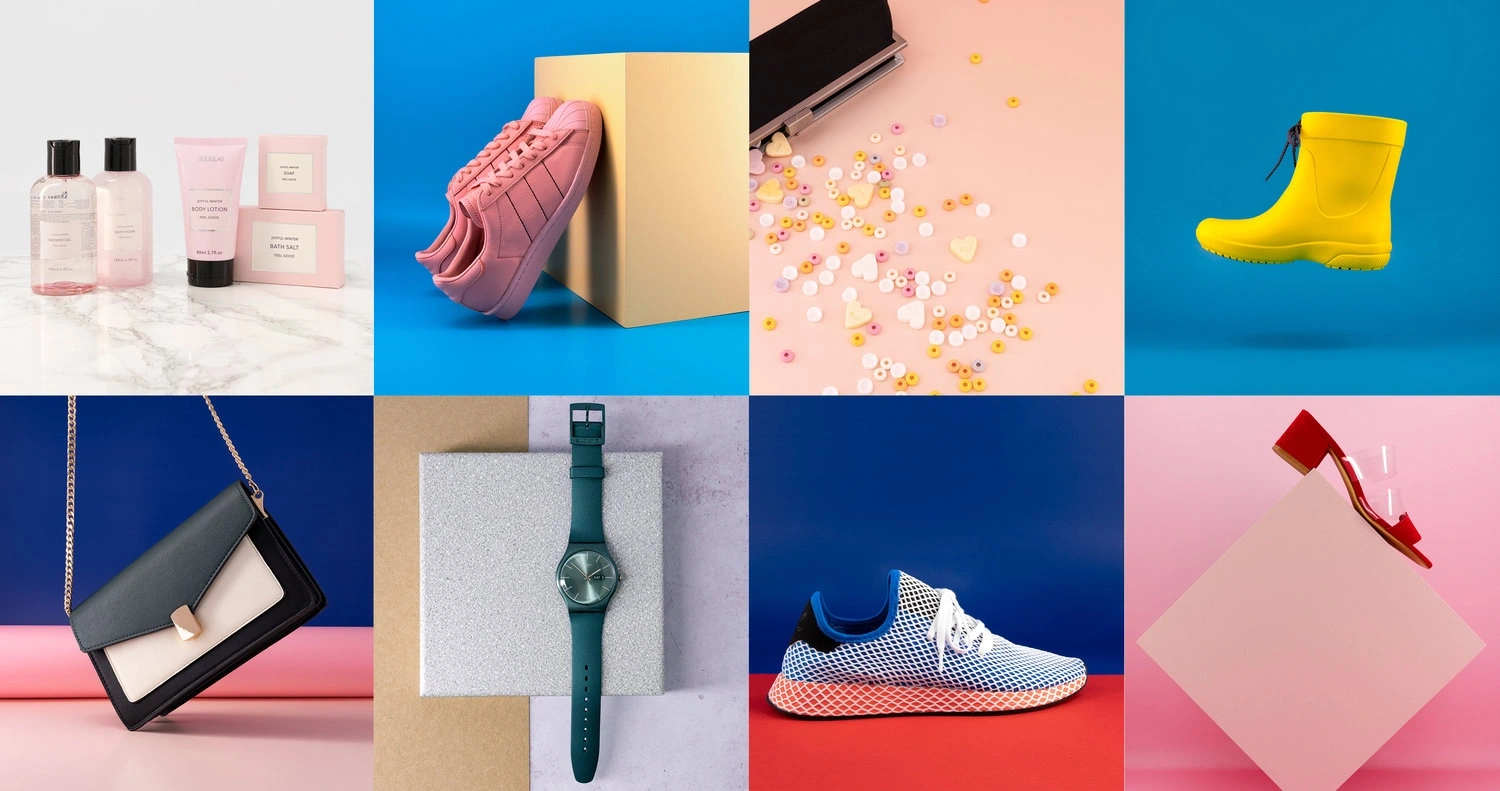
There are several styles of product photography, each designed for different purposes, marketing goals, and budgets. Below is an overview of the most common types used in ecommerce and advertising.
Ecommerce / White Background / Packshot Photography
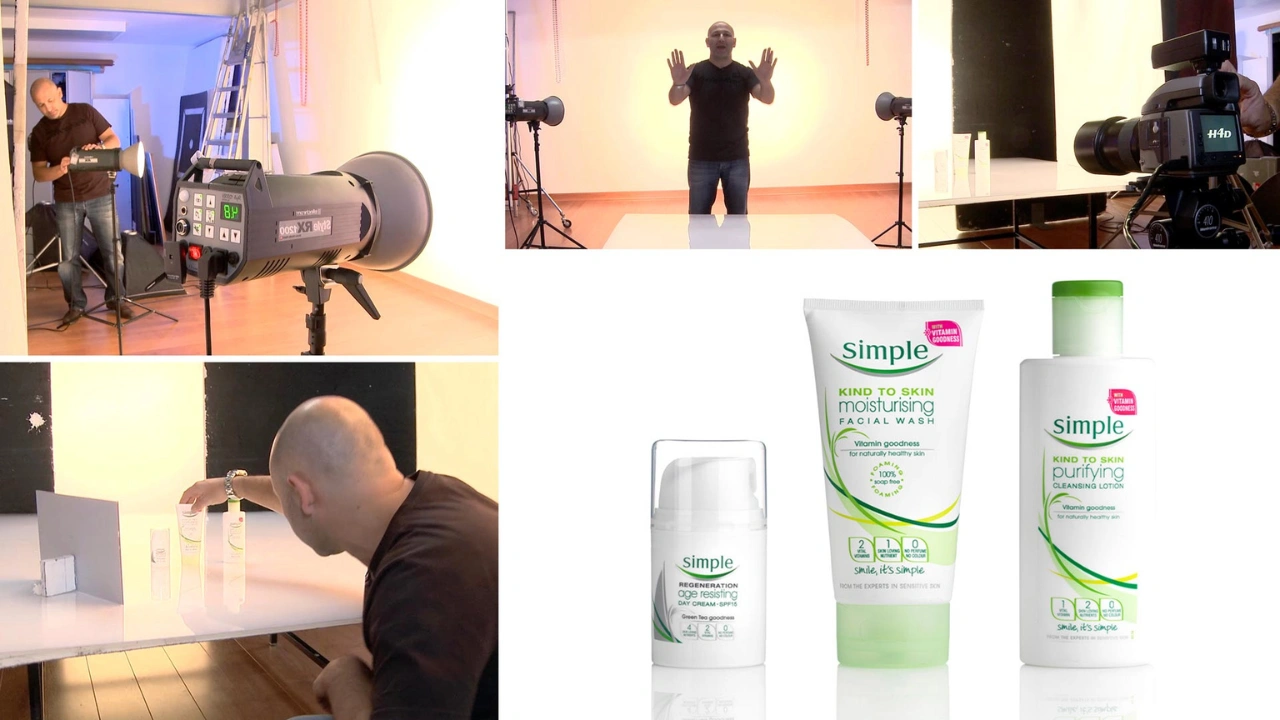
Ecommerce photography, also known as white background or packshot photography, is widely used in online stores and traditional product catalogues. This style focuses on presenting products in a clean, simple, and accurate way, usually against a pure white background. The main goal is to eliminate distractions so customers can clearly see the product’s shape, color, and details.
This type of photography is especially important for major online marketplaces such as Amazon and eBay, where strict image guidelines often require clean, uniform product presentation.
White background photography offers several advantages over colored or complex backgrounds in product photography, including improved clarity, better consistency across product listings, and a more professional, standardized appearance.
Consistency and Uniformity
White backgrounds help create a clean and consistent visual style across all product images, which is especially important for ecommerce websites and product catalogues where uniform presentation improves overall brand identity and user experience.
Product Emphasis
A white background removes all unnecessary distractions from the frame, allowing the product to remain the central focus of the image. This approach makes it easier to clearly highlight important details, textures, and features, helping customers better understand the quality and design of the product.
Colour Accuracy
Using a white background helps ensure that the true colour of the product is represented more accurately in the final image. Background colours can sometimes influence how the human eye perceives an object, but a neutral white background eliminates this issue and also prevents unwanted colour clashes with website design or catalogue layouts.
Versatility
Images shot on white backgrounds are highly adaptable across different platforms and marketing channels, including ecommerce stores, social media platforms, and print advertising. They are also easier to crop, resize, and repurpose for different formats without worrying about removing distracting background elements, making them more efficient for multi-channel use.
Cost-effective
Using a white backdrop helps reduce overall production costs by simplifying the entire photography process. It eliminates the need for location scouting, complex set designs, or elaborate studio arrangements, making shoots faster and more efficient. Additionally, post-production editing becomes quicker and more streamlined due to the clean and minimal nature of the background, saving both time and resources.
Marketplace Compatibility
White background product images are widely accepted and often required by major online marketplaces and ecommerce platforms. Many platforms prefer this style because it ensures consistency, improves product visibility, and provides customers with a standardized viewing experience across different sellers and categories.
When Should I Use Coloured Backgrounds In Ecommerce Images?
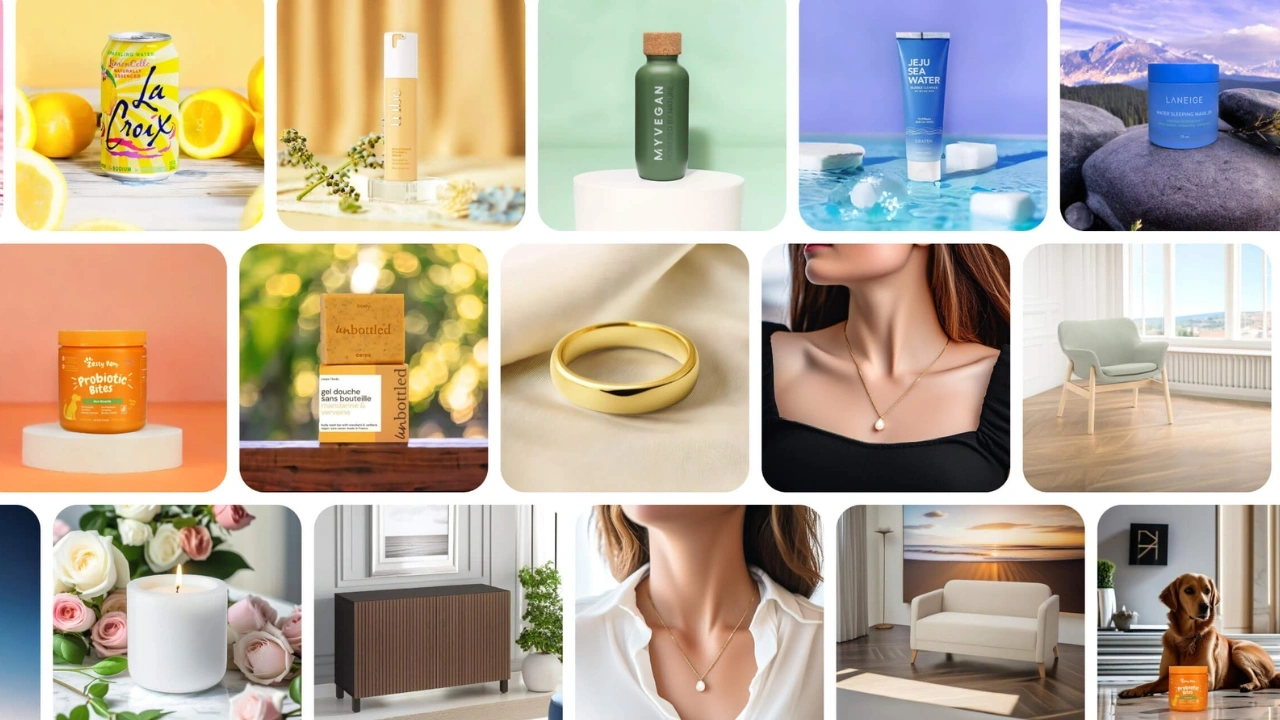
Although white backgrounds are ideal for clarity, consistency, and compliance with marketplace standards, coloured backgrounds can be used strategically to create stronger visual impact and improve brand memorability. They are often applied in marketing campaigns, lifestyle product photography, and social media visuals where the goal is to capture attention and create a more emotional or branded presentation.Cutout Partner Provides professional background Removal services with affordable price for photographers and ecommerce.
Create Emotions
Using coloured backgrounds in photography is not just a design choice, it is a powerful way to influence how people feel when they look at your product. Different colours can instantly set a mood and help communicate your brand identity without using any words. For example, bright and vibrant tones can create a sense of energy, excitement, and positivity, while deeper or darker shades often bring a more dramatic, luxurious, or premium feel to the visual presentation.
Coloured backgrounds also open the door to more creative and lifestyle-oriented product photography. Instead of a plain or neutral setting, they allow you to build a visual story around your product that feels more engaging and emotionally connected. This approach is especially effective for brands that want to stand out on social media or create a strong editorial-style presence in their marketing campaigns.
Highlighting Products
One of the most practical advantages of using coloured backgrounds is how effectively they can make a product stand out, especially when the product itself has a simple or neutral colour such as black, white, or grey. In such cases, a carefully chosen background can create strong visual contrast that immediately draws attention to the product.
The key here is selecting the right background colour, as this decision can significantly impact how the product is perceived. Often, using a contrasting shade works best because it helps separate the product from the background, making it more visually prominent and easier for customers to focus on the details. When done correctly, this technique not only improves the overall composition but also enhances the commercial appeal of the product image.

Choosing Between Styles
The decision between white and coloured backgrounds largely depends on the product type, brand identity, and how the images will be used. Many ecommerce businesses choose a hybrid approach, using white backgrounds for standard catalog or marketplace listings and coloured or creative backgrounds for marketing campaigns, advertisements, and social media content. This combination ensures both consistency for sales platforms and creativity for promotional purposes.
Lifestyle product Photography
Lifestyle product photography is one of the most engaging styles because it helps customers connect emotionally with the product. Instead of showing the product in isolation, it places the item within a real-world or aspirational setting, allowing customers to imagine how it fits into their everyday life. For example, a coffee cup may be photographed on a breakfast table alongside items such as a book, pastries, or soft morning lighting to create a warm and inviting atmosphere.
This style is especially powerful for social media marketing platforms like Instagram, where visual storytelling plays a major role in audience engagement. It is also highly effective in advertising campaigns, including billboards and digital ads, because it creates memorable and relatable visuals that leave a strong impression when executed professionally.

Using Models in Your Lifestyle Photography
Models are a powerful way to elevate the quality and effectiveness of lifestyle product photography. They help bring products to life, making images more relatable, engaging, and easier for customers to understand in a real-world context. Below are some key ways models can be used effectively in product photography.
Demonstrate Product Uses
Models can clearly show how a product is used in everyday situations, helping to communicate its features and functionality more effectively than product-only images. This approach allows potential customers to better understand how the product fits into their lifestyle. Since customers cannot physically interact with the product online, visual demonstrations become one of the most important tools for explaining its purpose and value.
For Garments Provide Context for Size, Fit, and Style
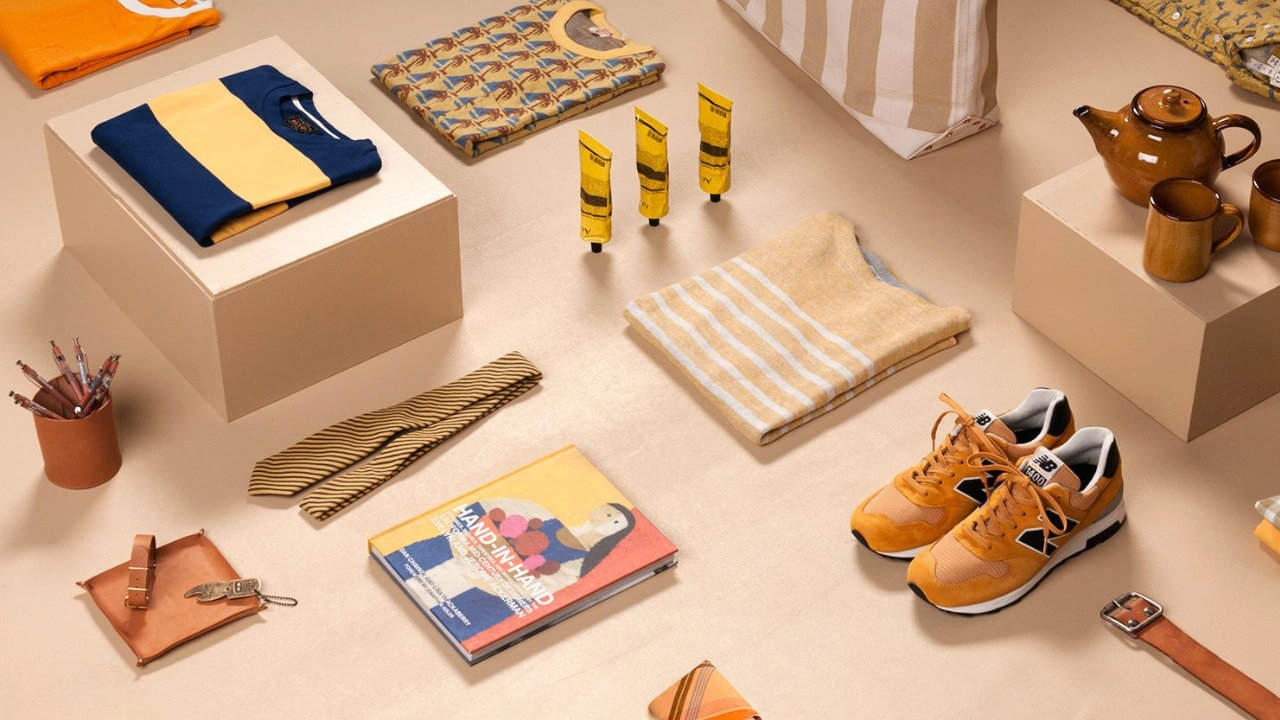
In fashion and apparel photography, models are essential for helping customers understand how clothing fits and looks when worn. They provide a realistic sense of scale, body fit, and garment flow, which cannot be achieved through flat lay or mannequin photography alone. Models also help demonstrate styling options, showing how pieces can be paired with other items and how they behave in different settings, making the product more relatable and desirable.
Tell a Style Story
Models can be used to create a complete visual story that reflects a specific lifestyle, mood, or aspiration. By carefully selecting environments, props, and styling choices, photographers can align the product with the target audience’s interests and emotions. Whether it’s a modern urban aesthetic, a relaxed outdoor setting, or a luxury lifestyle theme, storytelling through models helps build stronger emotional connections and increases the impact of the product imagery.
Choose the Right Model for Your Photoshoot
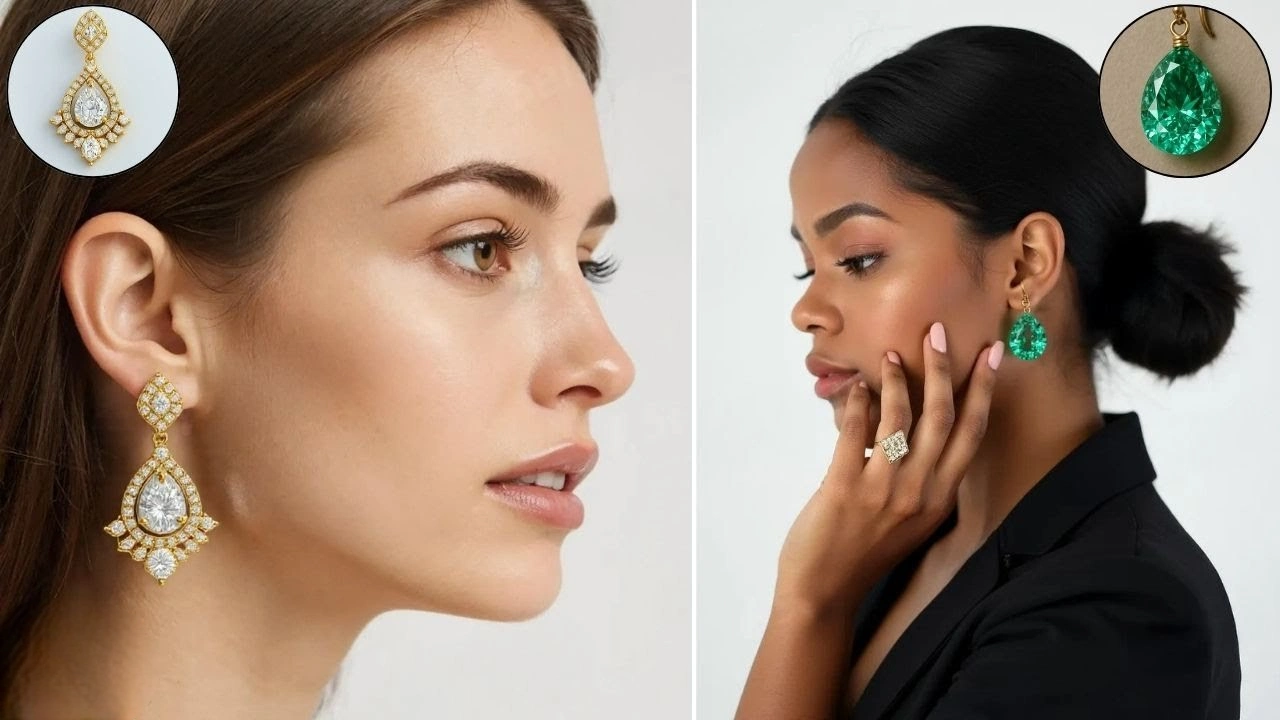
Selecting the right model is an important part of creating effective product photography. Models should align with your brand’s visual identity and appeal to your target audience. For example, an athletic brand may choose models with a strong, active appearance to reflect performance and fitness. This connection is important because customers are more likely to engage with visuals that represent their own lifestyle or the lifestyle they aspire to achieve. Understanding your audience’s identity and preferences helps in choosing models who enhance the overall message of the brand.
Guide Models in Posing
Clear direction during a photoshoot is essential to achieve natural and effective results. Models should be guided to adopt poses that highlight the product in a realistic and appealing way. Photographers can communicate instructions verbally, demonstrate poses physically, or use reference images to ensure clarity. Additional tools such as music or props can also help create a comfortable atmosphere and encourage more natural expressions. A collaborative approach between the photographer and model often produces the most authentic and visually engaging results.
Use Models for Different Types of Product Photography
Different styles of product photography require different modeling approaches and skill sets. Ecommerce photography typically focuses on simple, consistent poses that clearly display the product without distraction. In contrast, lifestyle and social media photography often demand more expressive, dynamic, and emotionally engaging poses. Because of these differences, experienced models who can adapt to various styles are often preferred, even if they come at a higher cost. However, investing in the right talent can significantly improve the quality and impact of the final images.
Model Licenses
When working with models in product photography, it is essential to obtain the correct usage rights before publishing any images. Model releases and licensing agreements define how the images can be used, including specific purposes such as print, digital advertising, ecommerce listings, or social media content, as well as the duration of usage rights. It is also important to be aware that child models often require additional legal permissions and are subject to strict regulations regarding working hours, safety, and usage rights, which must be followed carefully to remain compliant.
Impact of Using Models
Models have a strong influence on how customers perceive a product, particularly in lifestyle and fashion photography. The presence of the right model can help potential buyers visualize themselves using or wearing the product, which increases emotional connection and improves overall brand appeal. This connection between model presentation and customer identity plays a key role in driving engagement and purchase decisions.
Unrecognisable Models Save Budget
Using models in a way where their face is not visible can help reduce production costs, as it may lower or eliminate certain usage fees associated with recognizable likeness rights. This approach allows brands to still benefit from human presence in product imagery while keeping budgets more manageable. Unrecognisable models are particularly effective for demonstrating product functionality and fit; however, it should be noted that this method may reduce emotional engagement and personality-driven storytelling in the final visuals.
Maintain Consistency With Models
Maintaining consistency is essential when working with models across an ecommerce website. A uniform visual style helps create a professional and cohesive brand identity, making the shopping experience more seamless for customers. Before each shoot, it is important to plan the overall style in advance to ensure it aligns with existing imagery or the future direction of the brand’s visual presentation. Key elements such as crop ratios, image sizing, color accuracy, lighting style, background treatment, and shadow usage should remain consistent across all model-based photography to ensure a unified and polished appearance throughout the website.
360° Rotations for Model Photography
The 360-degree photography technique involving models provides an interactive and more immersive way to showcase garments and accessories. Instead of relying solely on static front-facing images, this approach allows customers to view the product from multiple angles, offering a more complete understanding of fit, movement, and design details. Depending on production setup, photographers can either capture a sequence of still images and stitch them together into a smooth rotational view or create a continuous video sequence for digital presentation. Models can be placed on a turntable for controlled rotation or asked to turn naturally in place to achieve a more casual and lifestyle-oriented effect.
Tabletop Product Photography
Tabletop photography is a widely used technique for capturing smaller products in a controlled studio environment. As the name suggests, products are arranged and photographed on a table or flat surface, allowing for precise control over lighting, composition, and styling. This method is highly versatile and suitable for a wide range of products, including food and beverages, cosmetics, small electronics, and accessories. Tabletop setups also allow for creative styling approaches, blending elements of still life composition with lifestyle storytelling to create visually appealing and commercially effective product imagery.
Room Set Photography
Room set photography involves creating a fully designed interior space to showcase products in a realistic and relatable environment. This technique is especially effective for furniture, home décor, and household appliances, as it helps customers visualize how the product will look and function within a real home setting. When executed thoughtfully, aspirational room sets can strongly influence purchasing decisions by aligning with the lifestyle and aesthetic preferences of the target audience.
CGI / 3D Model Furniture
Computer-generated imagery (CGI) and 3D rendering are increasingly used in modern product photography, particularly in industries such as home, furniture, and garden products. These techniques allow brands to create highly realistic product visuals without requiring physical prototypes, making them ideal for early product launches or items that are difficult to photograph traditionally. CGI also provides flexibility in producing multiple variations, environments, and visual styles at a lower logistical cost compared to traditional shoots.
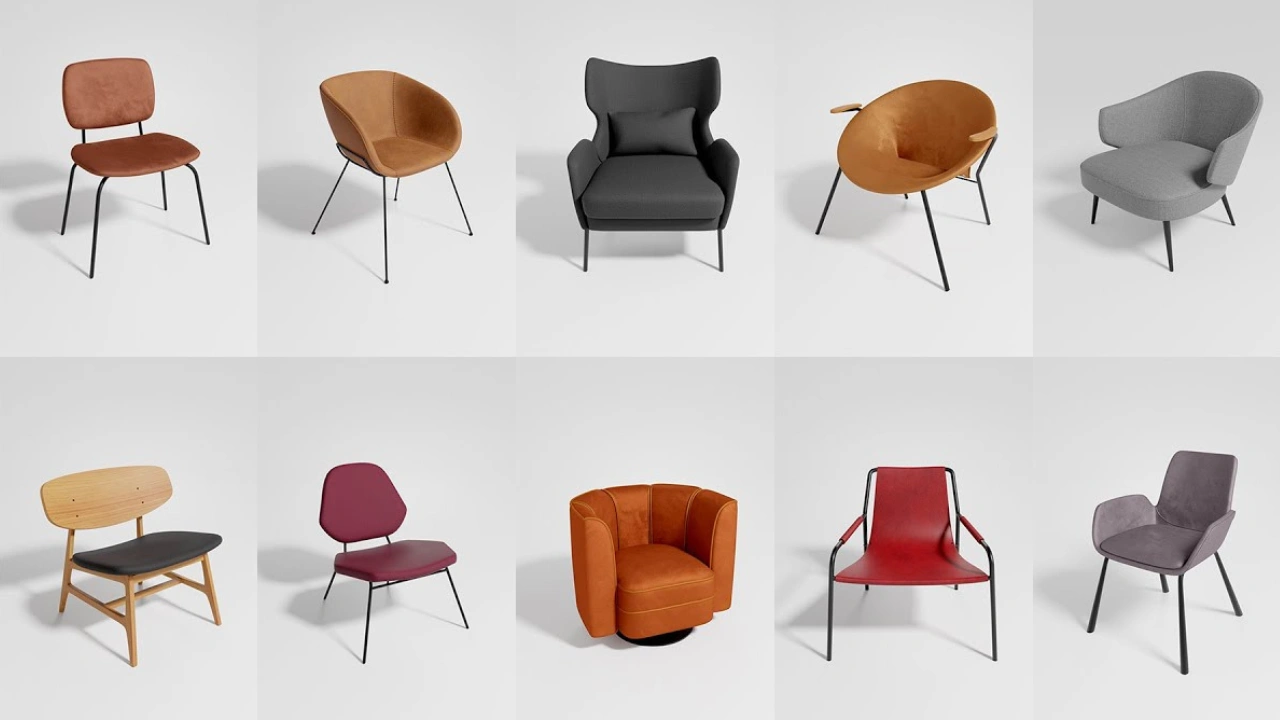
However, there are several important factors to consider when using CGI for product visualization.
Realistic Renderings
Accuracy is the most critical factor in CGI product imagery. If the 3D model does not accurately represent the real product, customers may feel misled when the physical item does not match the visuals. This can negatively impact trust and brand credibility. Ensuring precise proportions, materials, and finishes is essential for maintaining authenticity and customer confidence.
Lighting and Shadows
Lighting plays a crucial role in making CGI images appear realistic and believable. Without properly designed lighting and natural-looking shadows, rendered images can appear flat, artificial, or visually unconvincing. To achieve professional-quality results, it is important to carefully simulate real-world lighting conditions, including time of day, light direction, and the use of artificial light sources such as lamps or interior fixtures.
Angles and Variations
Providing limited visual perspectives can make it difficult for customers to fully understand a product’s size, design, and functionality. For this reason, CGI product imagery should include multiple angles, close-up details, and variations in styling or environment. This comprehensive visual approach helps customers make more informed purchasing decisions by giving them a complete understanding of the product.
Consistency Across Product Images
Maintaining a consistent visual style across all product photography is essential for building a strong and recognizable brand identity. This becomes especially important when combining CGI with traditional photography. All images should follow a unified aesthetic in terms of lighting, tone, perspective, and presentation to ensure a seamless and professional shopping experience.
Optimize for Realism in CGI
Attention to detail is key when creating CGI product visuals. Elements such as textures, reflections, shadows, and material finishes must be carefully crafted to enhance realism and reduce any artificial appearance. High-quality rendering should always prioritize visual accuracy over speed or quantity, as realistic imagery builds greater trust and engagement with customers, ultimately leading to stronger conversion rates.
Camera Placement
Camera placement is just as important in CGI product photography as it is in traditional photography. Every angle and composition should be carefully planned to present the product in the most effective and visually appealing way. One of the key advantages of CGI is the freedom it provides, allowing complete flexibility in camera movement, perspective, and angle selection without the physical limitations of a real-world setup.
Glass Divide
A glass divide can be used as a creative visual element in product photography and CGI scenes. It helps separate the product from its surroundings while still maintaining a sense of depth and realism. This technique is often used to create clean, modern compositions where the product remains the primary focus while subtle reflections or transparency add visual interest.
Themes for Product Photography
Product photography often follows specific visual themes that help communicate brand identity and appeal to target audiences. While trends may evolve over time, several core themes remain widely used across ecommerce, advertising, and social media content.
Eco / Natural
Eco and natural themes focus on sustainability and organic aesthetics, often using earthy tones, natural textures, and environmentally inspired elements. This style is commonly used by skincare, wellness, and eco-friendly brands, where imagery may include materials such as wood, plants, water, or soft natural lighting to communicate purity and authenticity.
Vibrancy / Fun
Vibrant and playful themes rely on bold colors, dynamic compositions, and energetic styling to capture attention. This approach is especially effective for brands targeting younger audiences or industries that emphasize creativity and lifestyle expression. The use of bright backgrounds, expressive props, and dynamic arrangements helps create visually engaging and memorable product images.
Minimalist / Modern
Minimalist and modern product photography emphasizes simplicity, clean compositions, and the effective use of negative space. This style often features neutral backgrounds, subtle lighting, and refined props such as glass, metal, or ceramic materials. The focus remains entirely on the product, creating a sophisticated and timeless visual identity.
Retro
Retro-themed product photography draws inspiration from past decades by incorporating vintage colors, props, and styling elements. This approach helps create a sense of nostalgia and can be particularly effective for brands that want to connect with specific age groups or evoke emotional familiarity through design.
Luxury
Luxury product photography focuses on high-end presentation, using premium styling, carefully controlled lighting, and elegant props to enhance the perceived value of the product. Every detail is meticulously crafted to reflect exclusivity, quality, and sophistication, making it ideal for premium brands.
Seasonal
Seasonal photography aligns product visuals with specific holidays or times of the year such as Christmas, Halloween, Easter, or seasonal changes. This approach helps brands stay relevant and timely, allowing products to be integrated into themed campaigns that resonate with customer emotions and celebrations.
Monochrome
Monochrome themes use a single color palette or grayscale styling to create a cohesive and artistic visual effect. This approach can enhance sophistication and simplicity while keeping the focus on composition and form. Some modern variations also use color-washed styling, where props and backgrounds share a unified tone.
Camera Angles for Product Photography
45 Degrees
The 45-degree angle is one of the most commonly used perspectives in product photography because it provides a balanced view of both the front and side of the product. This angle helps convey depth and structure, making it suitable for a wide range of product types.
Level
Level or eye-level shots are taken directly facing the product, offering a straightforward and natural perspective. This approach is often used for packaging shots or when the front design of a product needs to be clearly emphasized. It is also commonly applied in food photography for a clean and direct presentation.
Above
Overhead or flat-lay photography involves capturing images from directly above the product. This technique is particularly effective for showcasing multiple items, creating organized compositions, or highlighting patterns, textures, and arrangements in a visually appealing way.
Low Angle
Low-angle photography involves positioning the camera below the product and shooting upward, which helps create a sense of height, importance, and dominance. This perspective is often used to make products appear more powerful, prominent, or visually impactful.
360 Spin Product Photography & Videos
360-degree product photography provides an interactive viewing experience by capturing a product from multiple angles as it rotates. This can be achieved using a turntable setup or by manually capturing sequential images that are later stitched into a smooth rotation or video format. This technique improves customer understanding of product features and can help reduce returns while increasing engagement, especially on platforms like social media where interactive content performs well.
Product Photography Composition
Rule of Thirds
The rule of thirds is a fundamental composition technique that divides an image into a 3×3 grid. Placing the product along these grid lines or at their intersections helps create a balanced and visually appealing composition that naturally guides the viewer’s attention.
Front and Central Placement
Centering the product within the frame creates a strong focal point and works particularly well in minimalist compositions. This approach ensures that the product is immediately noticeable, although careful lighting is required to maintain depth and avoid a flat appearance.
Diagonal Layouts
Diagonal composition introduces movement and energy into an image by arranging products and props along diagonal lines. This technique adds visual interest and dynamic flow, especially when combined with carefully chosen props and balanced spacing.
Fibonacci Sequence
The Fibonacci sequence, also known as the golden ratio, is a natural spiral composition guide often used in photography and design. It helps photographers position key elements within an image in a visually balanced and aesthetically pleasing way. This spiral structure can be used to arrange the main subject, secondary elements, and background details in a natural flow that guides the viewer’s eye through the frame. The pattern is commonly found in nature, such as in seashells and plant structures, and is created through a mathematical progression that is widely considered visually harmonious. In product photography, the main subject is often placed near the center of the spiral, while supporting props and background elements are arranged along the outer curves to create depth and visual interest.
Lighting Styles for Product Photography
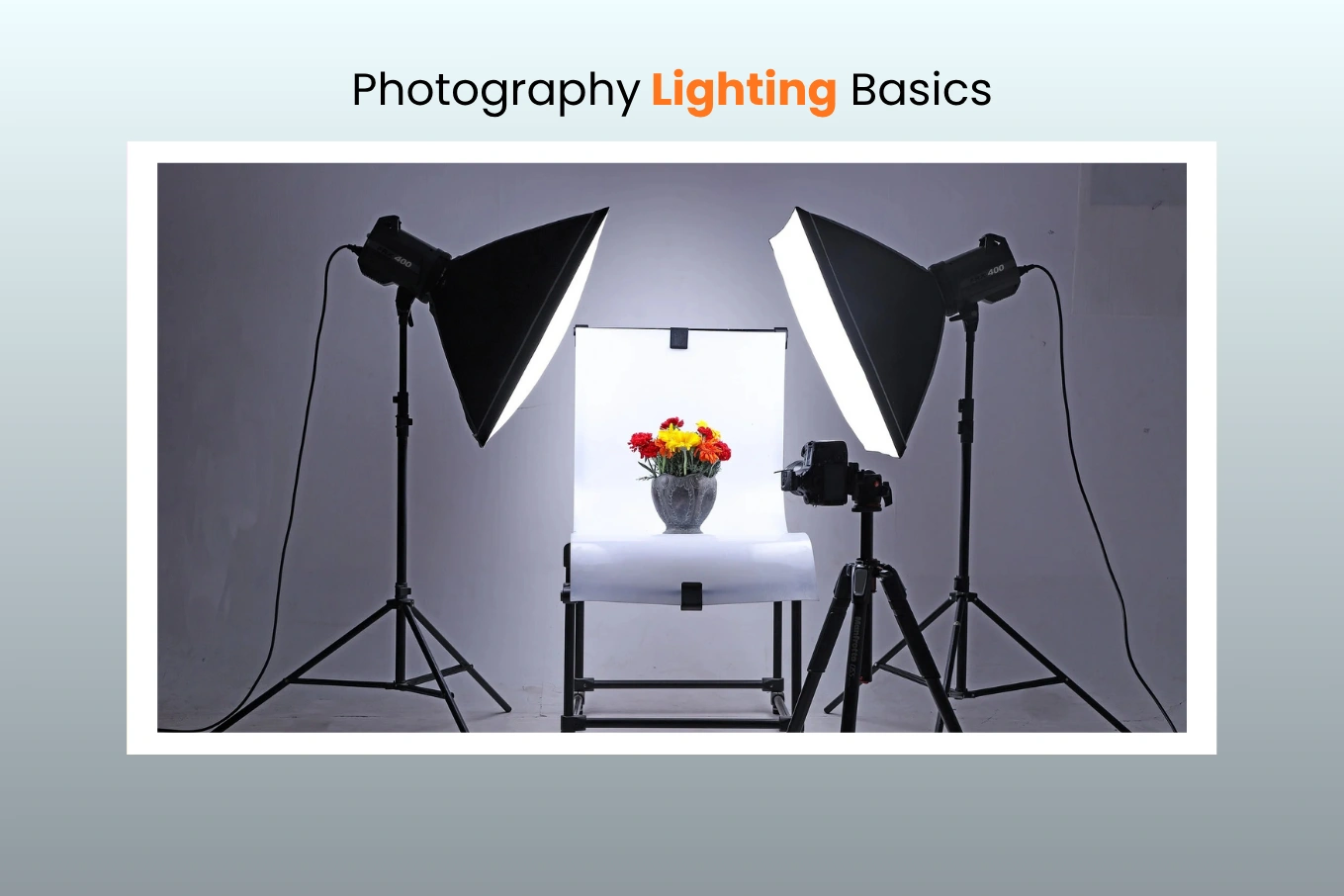
Lighting is one of the most critical elements in product photography, as it directly affects mood, texture, and overall image quality. Different lighting styles are used depending on the desired look and purpose of the image.
Hard Lighting
Hard lighting produces strong shadows and high contrast, creating a bold and dramatic visual effect. This style is particularly effective for emphasizing textures, sharp edges, and product details. It is often used in creative advertising or lifestyle photography where a more intense and energetic mood is desired, including setups that simulate direct sunlight or artificial directional light sources.
Soft Lighting
Soft lighting creates smooth, diffused illumination with gentle shadows and balanced exposure. This approach is widely used in ecommerce, beauty, and food photography because it produces a clean, natural, and flattering appearance. Soft lighting helps reduce harsh contrasts and ensures that product details are clearly visible without visual distraction.
Locations vs Set
The choice between on-location shoots and studio sets depends on the product type, creative direction, and budget considerations. Location shoots offer authentic environments and natural lighting conditions, which can enhance realism and storytelling. However, they may also present challenges such as weather dependency and limited control over lighting. Studio sets, on the other hand, provide complete control over lighting, composition, and styling, but require more planning, props, and setup time. In many cases, both approaches can deliver similar production costs, but certain unique locations may be impossible to replicate in a studio environment, making CGI or hybrid solutions a valuable alternative.
Popular Resources Photographers Are Loving Right Now
- Cutout Partner’s Expert eCommerce Product Photo Editing Tips to Boost Sales
- Cutout Partner: Expert Photo Editing Services for eCommerce
- How to Take Photos for E-Commerce in 2026: A Complete Guide for Beginners
Product Photography Postproduction
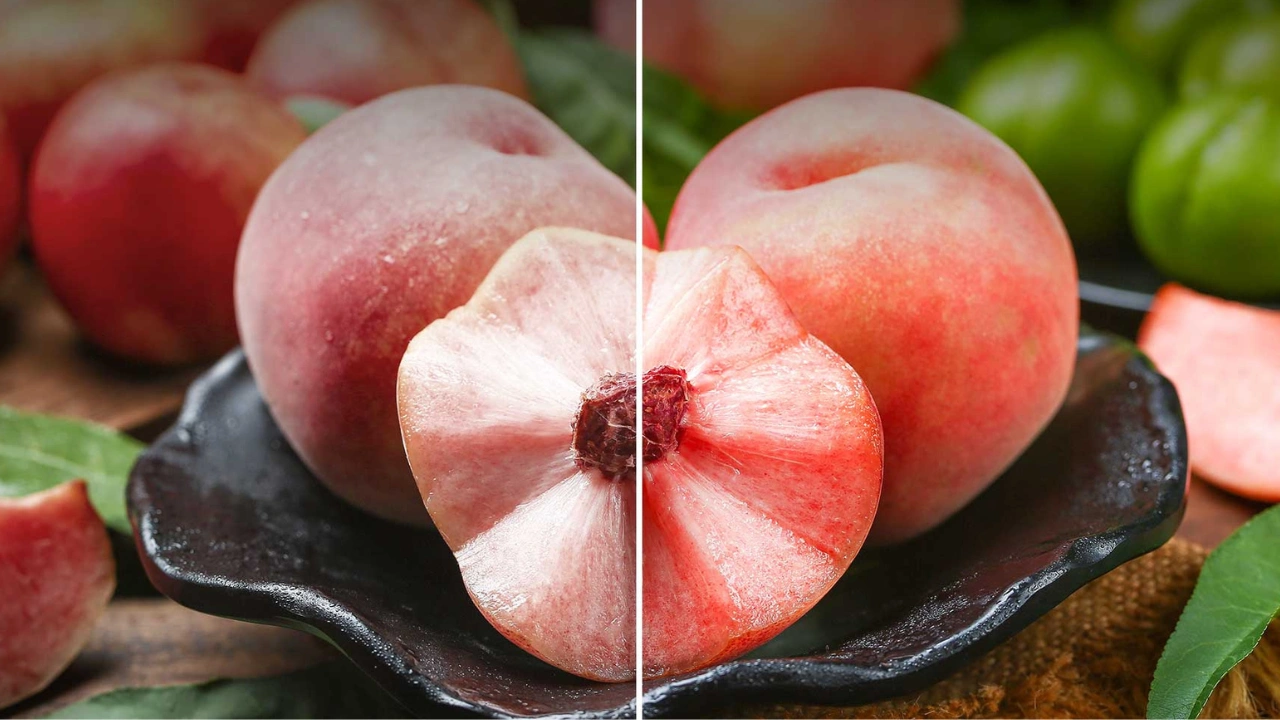
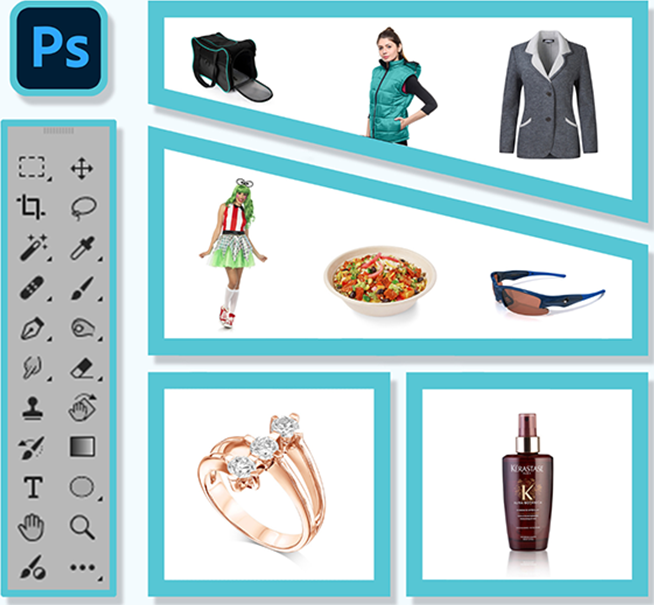
Postproduction plays a key role in refining product images and varies depending on the intended use. Ecommerce photography typically requires simple and clean retouching to ensure accurate representation of the product, while advertising and social media content often involve more advanced creative editing techniques.
Image Retouching
Basic retouching includes adjustments such as color correction, exposure balancing, contrast enhancement, and sharpening. It also involves removing minor imperfections or distractions from the image to ensure a polished and professional final result while maintaining product accuracy.
Creative Image Retouching
Creative retouching goes beyond basic adjustments and involves advanced techniques such as compositing multiple images, adding visual effects, or enhancing the product presentation for artistic or promotional purposes. This approach is commonly used in advertising campaigns where visual impact and storytelling are key priorities.
Stylists and Props
In more complex photography projects, especially lifestyle and advertising shoots, stylists and props play an important role in shaping the overall visual direction. These professionals help ensure that every element in the frame aligns with the brand identity and creative concept.
Food Stylists
Food stylists specialize in preparing and presenting food in a visually appealing way for photography and video production. They use specific techniques to maintain freshness, texture, and presentation quality throughout the shoot, ensuring that the food remains attractive under studio lighting conditions and during extended sessions.
General Stylists
General stylists are responsible for arranging products, selecting props, and designing compositions that reflect the brand’s aesthetic and marketing objectives. They help create cohesive and visually engaging scenes that enhance the storytelling aspect of product photography.
Prop Hire
Props are essential for building realistic and engaging lifestyle scenes. These may include furniture, decorative items, textiles, plants, and other contextual elements that support the product narrative. While some props are sourced individually, many studios offer prop rental services to help reduce costs and streamline production.
Marketing Uses
When planning product photography, it is important to consider how the images will be used across different marketing channels. Each platform may require a different visual approach to maximize effectiveness and engagement.
Ecommerce Photography
Ecommerce product photography focuses on delivering clear, accurate, and visually appealing images that build customer trust and improve conversion rates. The primary goal is to present the product as realistically as possible, ensuring that customers have clear expectations, which ultimately helps reduce return rates and improve overall satisfaction.
Websites
Product photography plays a fundamental role in modern website design, from impactful hero images on landing pages to detailed product galleries that support descriptions and purchasing decisions. High-quality and consistent imagery helps establish a strong, professional brand identity while also building trust with potential customers. When all product visuals follow a unified style, it creates a smoother user experience and enhances the overall perceived value of the brand.
Social Media – Organic and Paid
Product photography is essential for both organic social media content and paid advertising campaigns. Different platforms often require different visual formats, compositions, and creative approaches, making versatility in image production highly important. Organic content typically performs best when it features lifestyle-driven imagery that reflects a brand’s values, personality, and customer lifestyle. In contrast, paid advertising often benefits from more bold, experimental, and attention-grabbing visuals designed to stop users from scrolling. To optimize performance, brands frequently use A/B testing to compare different visual styles and identify what resonates most effectively with their target audience.
Outdoor Advertising
Outdoor advertising requires large-format, high-resolution product images that maintain clarity and visual impact when viewed from a distance. It is important to consider how products will appear under different lighting conditions and viewing angles in real-world environments such as billboards, transit ads, or signage displays. Strong, simple, and concept-driven visuals tend to perform best in outdoor campaigns because they must communicate quickly and clearly within a limited attention span.
When using product images across multiple marketing channels, both online and offline, maintaining consistent branding is essential. Without careful planning, visual identity can become fragmented across platforms. Ensuring that all assets follow a unified theme helps strengthen brand recognition and improves overall marketing effectiveness.
Budgeting for a Photoshoot
Effective budgeting is a critical part of planning a successful product photography project, as multiple cost factors must be considered to ensure high-quality results across all stages of production.
Studio and Photography Time
Studio rental fees and photographer costs can vary significantly depending on location, experience level, and project complexity. It is important to clearly define the project scope, expected deliverables, and usage rights before production begins. Understanding whether studio time is included in the overall photography package is essential to avoid unexpected expenses.
Location Costs
When shooting on location, additional costs may include venue rental, permits, transportation, and specialized equipment required for the environment. These expenses should be carefully planned in advance to ensure smooth production without budget overruns.
Stylists and Prop Costs
Stylists and props play an important role in creating polished and visually compelling product images. Budgeting should include stylist fees as well as the cost of sourcing, renting, or purchasing props that align with the creative direction of the shoot.
Freelancer vs Studio
Choosing between freelance photographers and full-service studios depends on project scale, budget, and required production resources. Studios often provide a complete end-to-end solution, including photography, styling, and postproduction, making them suitable for larger or more complex projects. Freelancers, on the other hand, may offer more flexibility and cost efficiency for smaller productions.
Studio Selection and Specialisms
Selecting the right photography studio requires careful consideration of their portfolio, expertise, and specialization in specific product categories. Some studios excel in areas such as fashion, food, interiors, or ecommerce photography, and choosing a team with relevant experience can significantly improve the final outcome of the project.
Photoshoot Timeline
Planning a realistic timeline is essential for ensuring a smooth and efficient photoshoot process. Several factors can influence production schedules, including the number of products, complexity of creative direction, and required revisions during postproduction. Feedback cycles and stakeholder approvals often take more time than expected and should be accounted for early in the planning stage.
Goods In
Timely delivery of products to the shooting location is essential for maintaining production schedules. Adequate preparation and styling time must also be allocated before photography begins to ensure a smooth workflow and high-quality results.
Volume and Schedule
A clear production schedule should be established based on the number of products being photographed. Each stage, including setup, shooting, and review, should be allocated sufficient time to avoid rushed execution, which can negatively impact image quality.
Postproduction Turnaround
Postproduction is a key stage in the workflow and includes retouching, creative editing, and client review cycles. The complexity of editing requirements can significantly affect delivery timelines, making it important to plan for adequate turnaround time during project scheduling.
Cutout Partner: As An Industry Leading Agency- We’re Here to Help
Cutout Partner is an industry-leading post-production and photo retouching agency specializing in high-quality product image editing services. Product photography involves many technical and creative considerations, but when approached strategically, it offers powerful opportunities to enhance marketing performance and brand visibility. A well-planned process from concept development to final delivery ensures the creation of compelling visual assets that drive engagement and increase sales.
Working with the right production and postproduction partner helps brands maximize efficiency and achieve professional results within budget. With extensive industry experience, Cutout Partner supports businesses of all sizes in delivering polished, conversion-focused product imagery tailored to their marketing needs.
Share this post
Ready to transform your images?
Elevate your brand with stunning, high-impact visuals. We’ll refine your photos to leave a lasting impression!
Get Started Now!