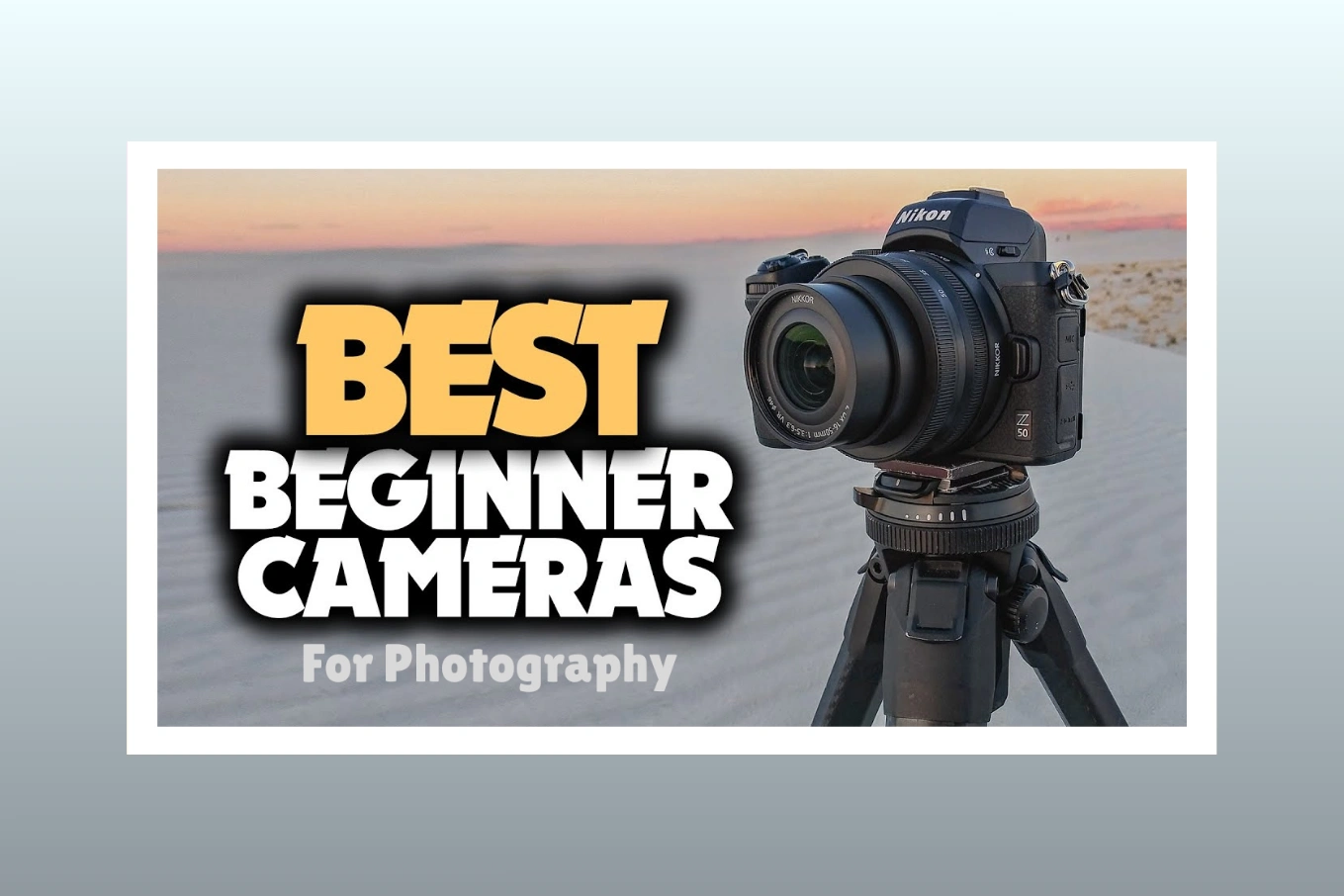
What Is the Best Camera for Starter Photography: A Complete Guide
Cutout Partner
April 13, 2026
0 views
One of the very first questions that comes up when choosing a beginner camera is whether you should go for a mirrorless system or a DSLR. To be honest, there is no simple or one-size-fits-all answer to this, and instead of telling you exactly which one to pick, it makes more sense to walk you through the options so you can decide what fits your needs best. Interestingly, I once wrote about mirrorless cameras and convinced myself that I was not ready to switch, yet not long after that, I ended up buying one anyway, which shows how quickly perspectives can change once you start exploring new technology.
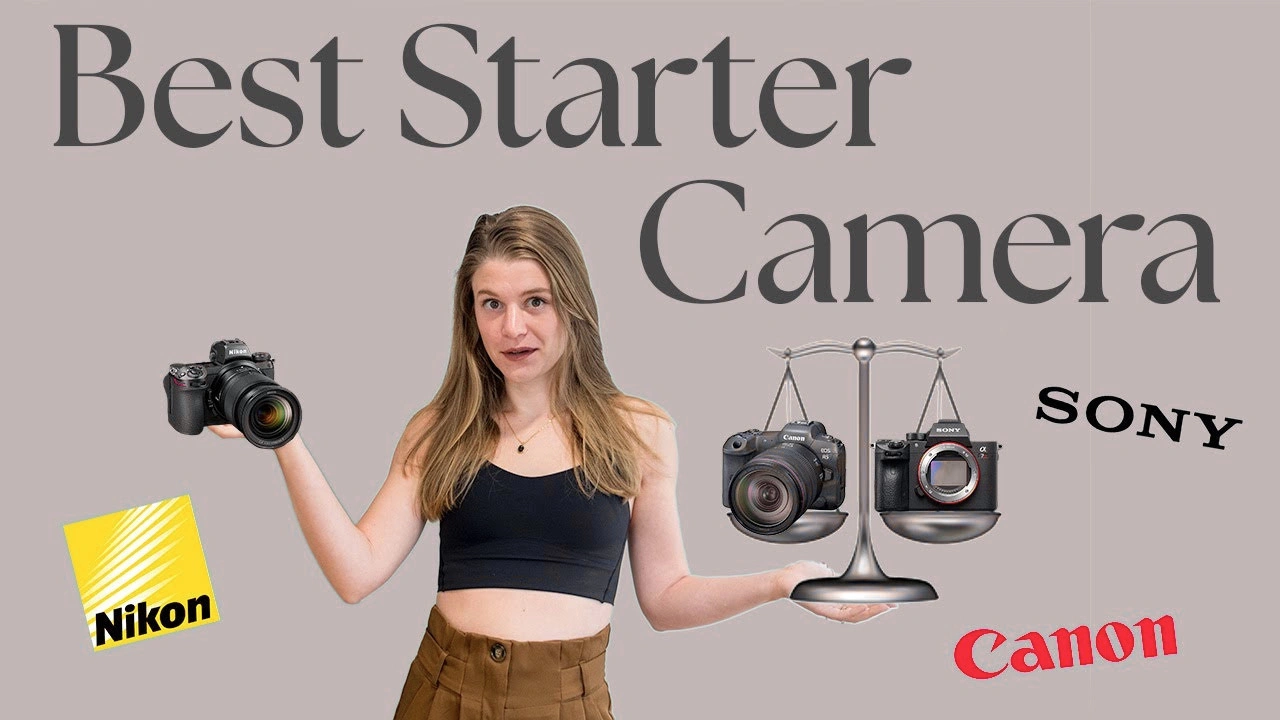
As of 2026, the camera market has shifted quite a bit compared to a few years ago. When many photographers first started learning, DSLR cameras were widely available as brand-new products, but that situation has changed significantly. By around 2022, major manufacturers like Nikon and Canon began discontinuing most of their entry-level DSLR production, focusing instead on developing mirrorless systems. Today, only a very limited number of DSLR models are still available new, and even those are expected to remain on the market only while existing stock lasts or through minimal continued production. This does not take away from the quality or capability of DSLR cameras, because they are still excellent tools for beginners, but it does mean that most DSLR purchases now happen through the used market while innovation continues to move forward in the mirrorless space.
From a personal perspective, the transition is not always immediate or emotional, especially if you have been using a DSLR for a long time and have grown comfortable with it. Many photographers still hold onto their favorite DSLR bodies because of familiarity and reliability, even after trying something new. However, curiosity about newer systems often leads to experimentation, and that is usually when the switch begins. With manufacturers now investing heavily in mirrorless technology, it becomes increasingly practical to explore those systems, especially if you are planning for long-term growth.
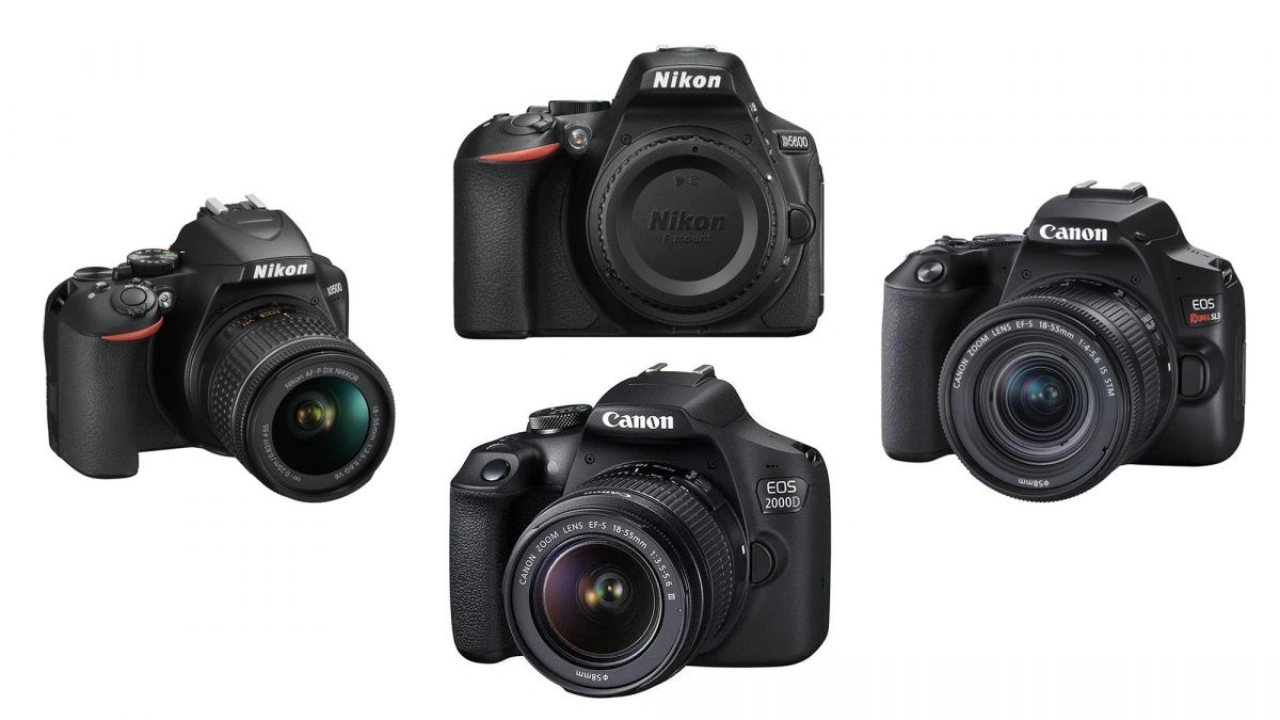
With that in mind, there are still plenty of excellent beginner-friendly options available across both DSLR and mirrorless categories. Brands like Nikon, Canon, and Sony continue to offer strong choices that cater to different needs, budgets, and shooting styles, making it easier for beginners to find a camera that feels right for them while also supporting their future development in photography.
DSLR vs Mirrorless Cameras (2026 Update)
The evolution of camera technology has reached a point where mirrorless systems have become the dominant choice for both beginners and professionals, and this shift is not just a trend but a reflection of where manufacturers are focusing their innovation and development efforts. DSLR cameras, which once ruled the photography world, are now gradually being phased out in terms of new production, especially at the entry level, as brands prioritize mirrorless designs that offer more flexibility and modern features.
DSLR cameras rely on a mechanical mirror system that reflects light into an optical viewfinder, allowing photographers to see exactly what the lens sees through a physical mechanism. This traditional design has been appreciated for its reliability and long battery life, which makes it a dependable choice even today. However, the limitation lies in its inability to provide real-time exposure previews, which can slow down the learning process for beginners who are still trying to understand how different settings affect their images.
Mirrorless cameras eliminate this mirror system and instead use an electronic viewfinder or LCD screen to display a live preview of the image. This means that any changes you make to exposure, white balance, or depth of field are instantly visible before you press the shutter button. For beginners, this feature significantly reduces the learning curve because it allows them to experiment and adjust settings with immediate visual feedback.
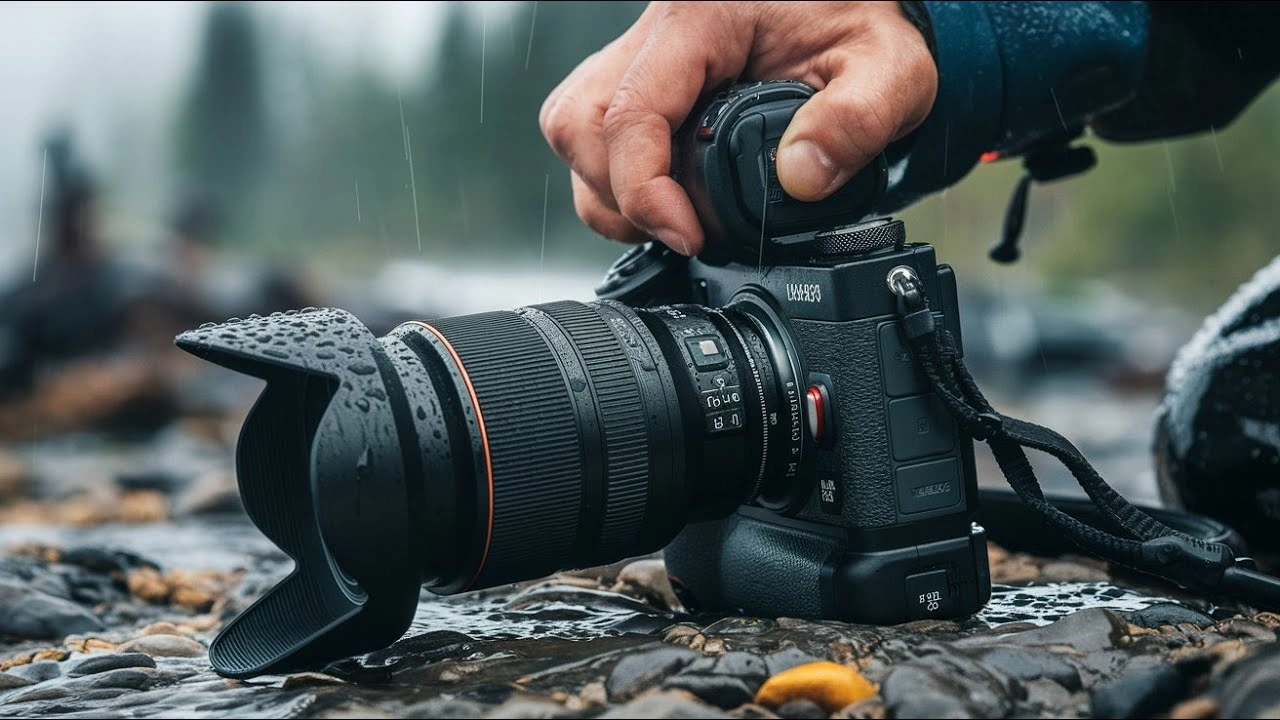
In a studio or eCommerce environment, this advantage becomes even more valuable because it minimizes errors during shooting and reduces the time required for corrections during post-production. Additionally, mirrorless cameras often come equipped with advanced autofocus systems that include face detection, eye tracking, and subject tracking, which are particularly useful for portrait photography, model shoots, and dynamic content creation.
Although DSLRs are still capable of producing excellent results and remain a budget-friendly option in the used market, the future clearly belongs mirror vs camera to mirrorless systems, especially for those who want to stay updated with evolving technology and expand their capabilities over time.
Nikon D3500
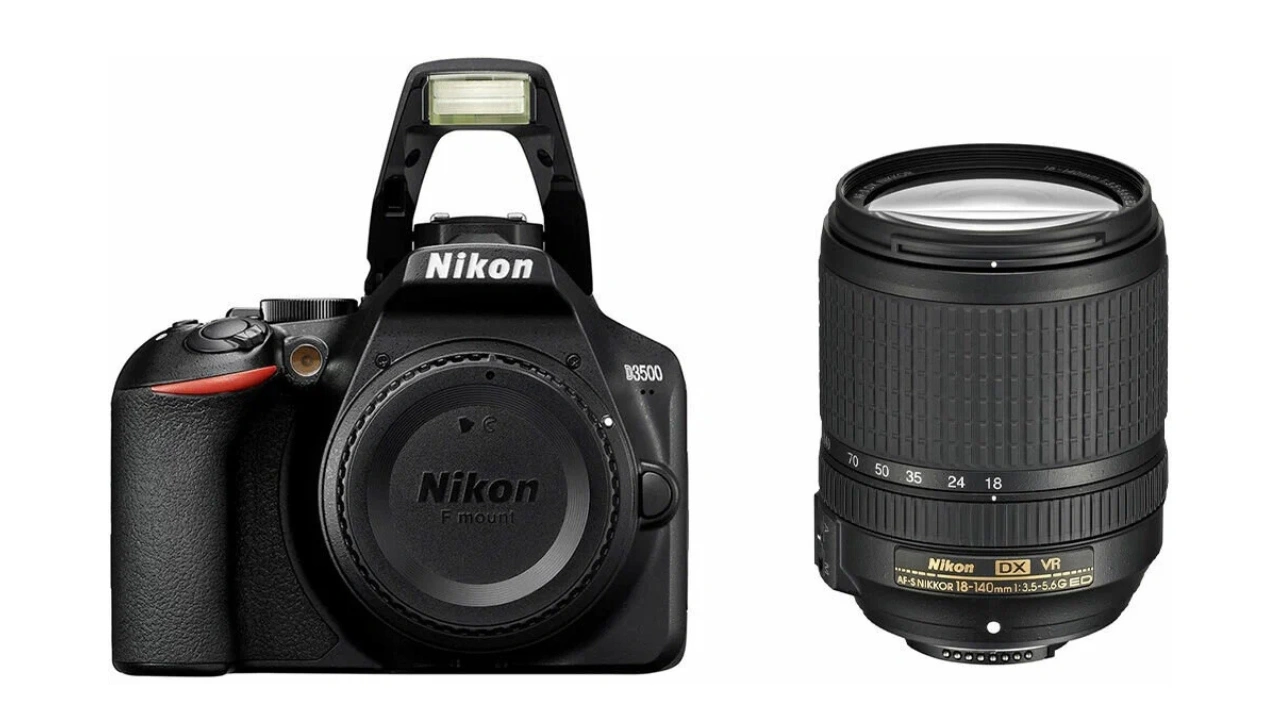
The Nikon D3500 remains one of my top recommendations for beginners, largely because it has consistently proven to be reliable in real learning environments. It is a camera I have trusted for years in teaching situations, and different versions of this model have been used in classrooms for over a decade, especially since digital photography became part of structured learning around 2011. That kind of long-term use says a lot about how dependable and beginner-friendly this camera really is.
This model comes equipped with a 24-megapixel sensor that delivers sharp and detailed images, along with solid performance in low-light conditions, which is especially helpful for indoor shoots or studio environments. It also includes basic live view shooting and video features, making it versatile enough for beginners who want to explore beyond still photography. Overall, it provides everything a new photographer needs to build a strong foundation.
While the included kit lens is decent for getting started, it does have its limitations in terms of sharpness and creative flexibility, so upgrading to a better lens later on can make a noticeable difference in image quality. One important thing to keep in mind is that the Nikon D3500 is no longer widely available as a new product, so it will need to be purchased from the used market.
For those looking for something slightly more advanced within the same range, the Nikon D5600 offers many of the same core features but adds useful upgrades such as a fully articulating screen, touchscreen functionality, and improved usability for video and vlogging, making it a more flexible option for content creators.
Canon EOS R100
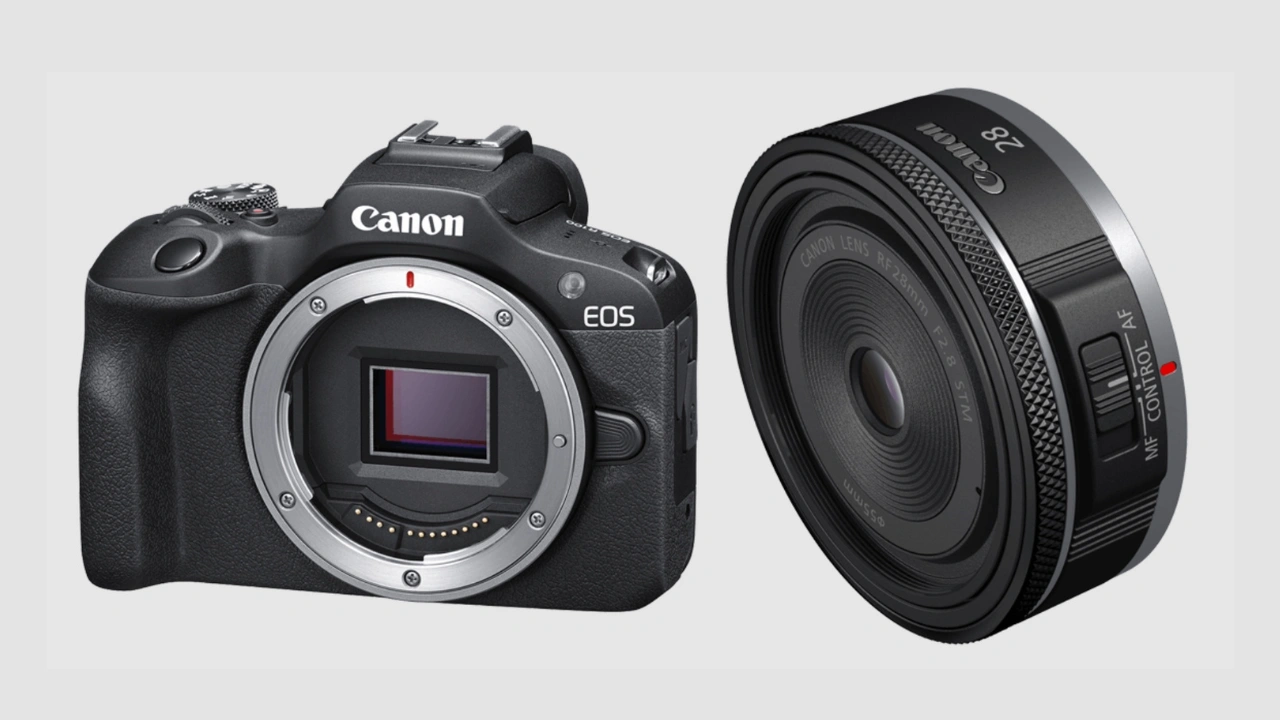
The Canon EOS R100 is designed as an entry-level mirrorless camera that effectively replaces the older Rebel DSLR lineup, continuing Canon’s tradition of offering beginner-friendly cameras that are easy to learn and reliable in performance. It features a 24-megapixel sensor that delivers sharp image quality along with solid low-light capability, making it a practical choice for a wide range of photography needs, including everyday shooting, studio work, and even product photography for eCommerce.
What makes the R100 particularly appealing for beginners is how smoothly it introduces users to the mirrorless ecosystem, allowing them to benefit from newer technology without feeling overwhelmed. While mirrorless cameras generally come at a slightly higher price point compared to older DSLR options, they offer long-term advantages that make them a smart investment for anyone serious about growing their photography skills. With a kit lens included, the R100 typically sits just under the $600 range, which makes it accessible for those starting out.
For those who are thinking beyond the beginner stage and want a camera that can support their progress into more advanced photography, the Canon EOS R8 is worth considering. It features a full-frame sensor, offering improved image quality, better low-light performance, and greater creative control. The handling and overall feel remain familiar, but the added capabilities make it a strong option for expert photographers who want a camera that can grow with them as they move toward an intermediate level.
Canon Rebel T7
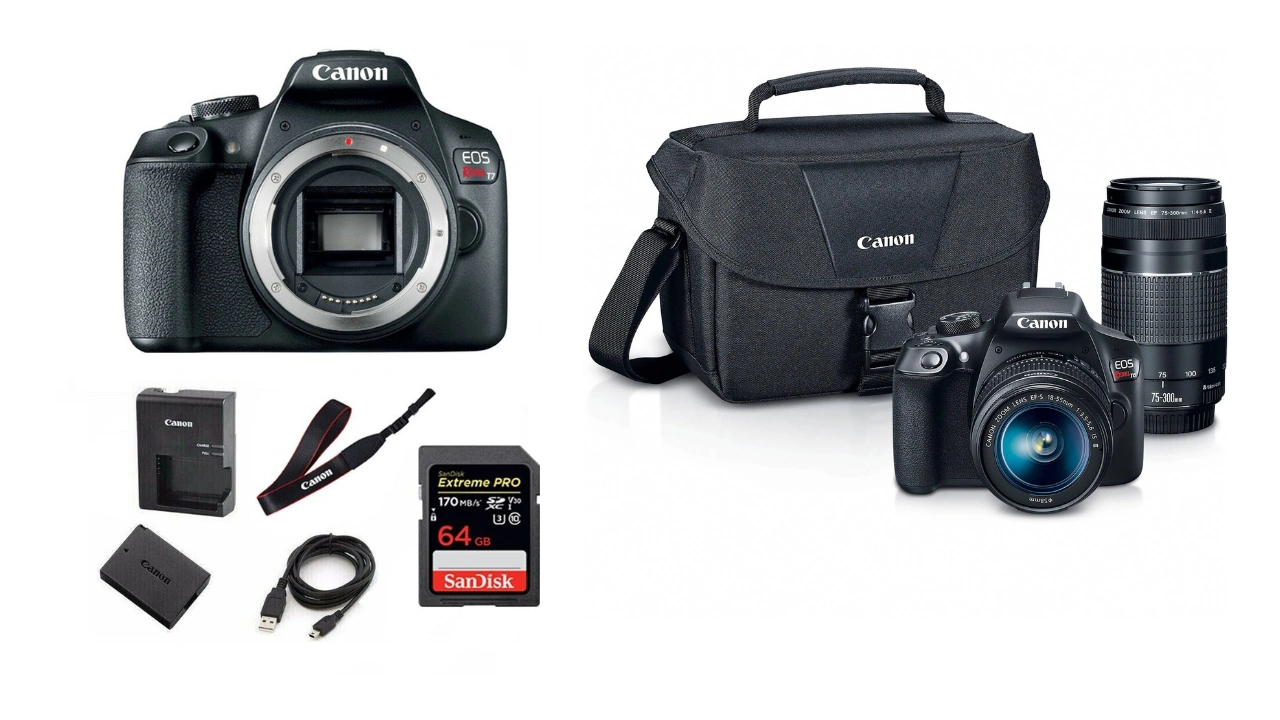
The Canon Rebel T7 has built a strong reputation over the years as one of the most dependable and beginner-friendly cameras available, making it a popular choice for those just starting their photography journey. It features a 24-megapixel sensor that delivers clear and detailed images, along with solid low-light performance that works well for both indoor and outdoor shooting scenarios.
One of the standout advantages of the Rebel series is its intuitive and easy-to-navigate menu system, which many beginners find slightly more user-friendly compared to other brands. This makes it easier to learn camera settings, experiment with different modes, and gradually build confidence without feeling overwhelmed.
In terms of value, the Rebel T7 is often considered a very budget-friendly option, typically available with a kit lens for under $600, which makes it an excellent entry point for those who want reliable performance without a high upfront investment. Even with its affordable price, it is capable of producing quality results suitable for studio work, product photography, and everyday shooting.
Another appealing aspect is that the Rebel T7 can still be found as a new product in some markets, unlike many other DSLR models that are now limited to the used market. For those who are interested in a slightly more advanced option within the same family, the Canon EOS SL3 offers additional features such as a more flexible screen and enhanced functionality, making it a step up for users who want a bit more versatility while maintaining a beginner-friendly experience.
Sony A6400
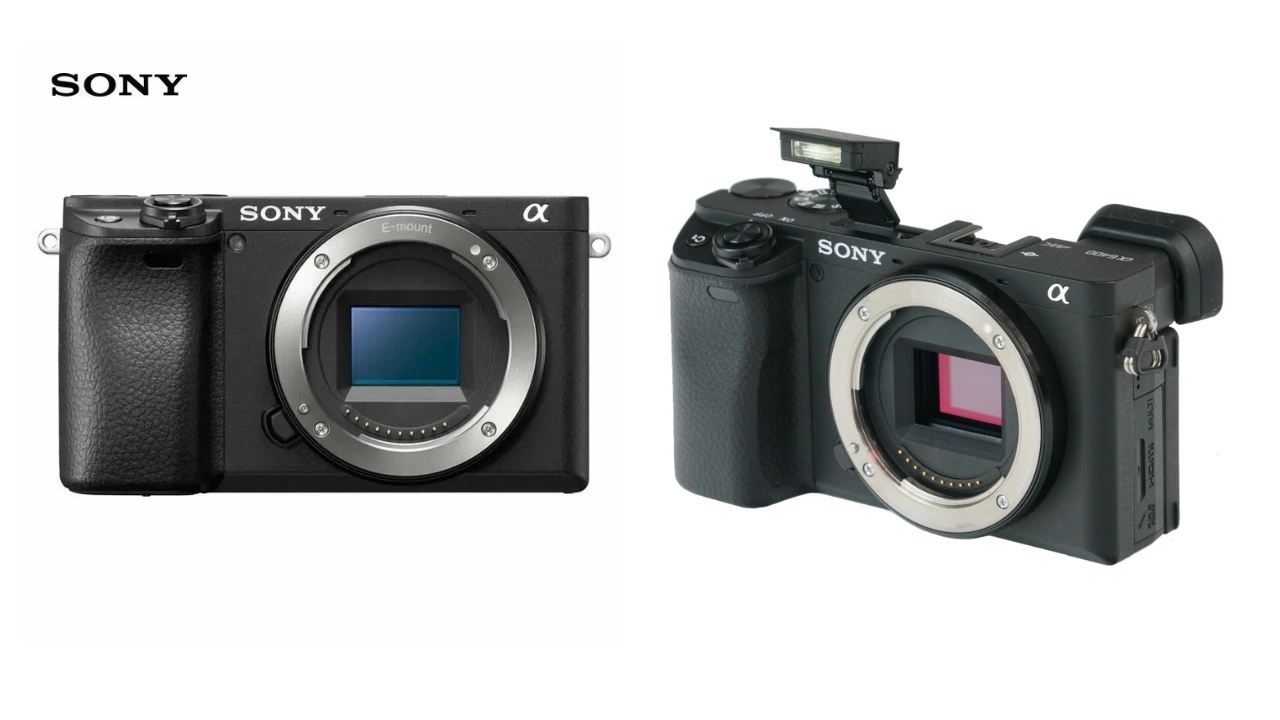
The Sony A6400 is often highly recommended within the photography community, even by those who may not personally use the Sony ecosystem, which says a lot about its reputation and performance. It stands out as a strong entry point into the mirrorless world, offering a balance of advanced features and user-friendly functionality that appeals to beginners and growing photographers alike.
For anyone who is not already invested in lenses from another brand, the A6400 can be an especially attractive option because it opens the door to Sony’s well-developed mirrorless system. The camera delivers impressive image quality with a competitive megapixel count, a compact and lightweight design, and excellent low-light performance that matches closely with similar offerings from Canon and Nikon.
One of its biggest strengths lies in its autofocus system, which is widely praised for speed and accuracy, making it ideal for portraits, moving subjects, and content creation. With a kit lens included, the A6400 typically falls just under the $1200 range, positioning it as a slightly higher investment but one that offers long-term value for those who want performance and reliability.
Nikon Z50
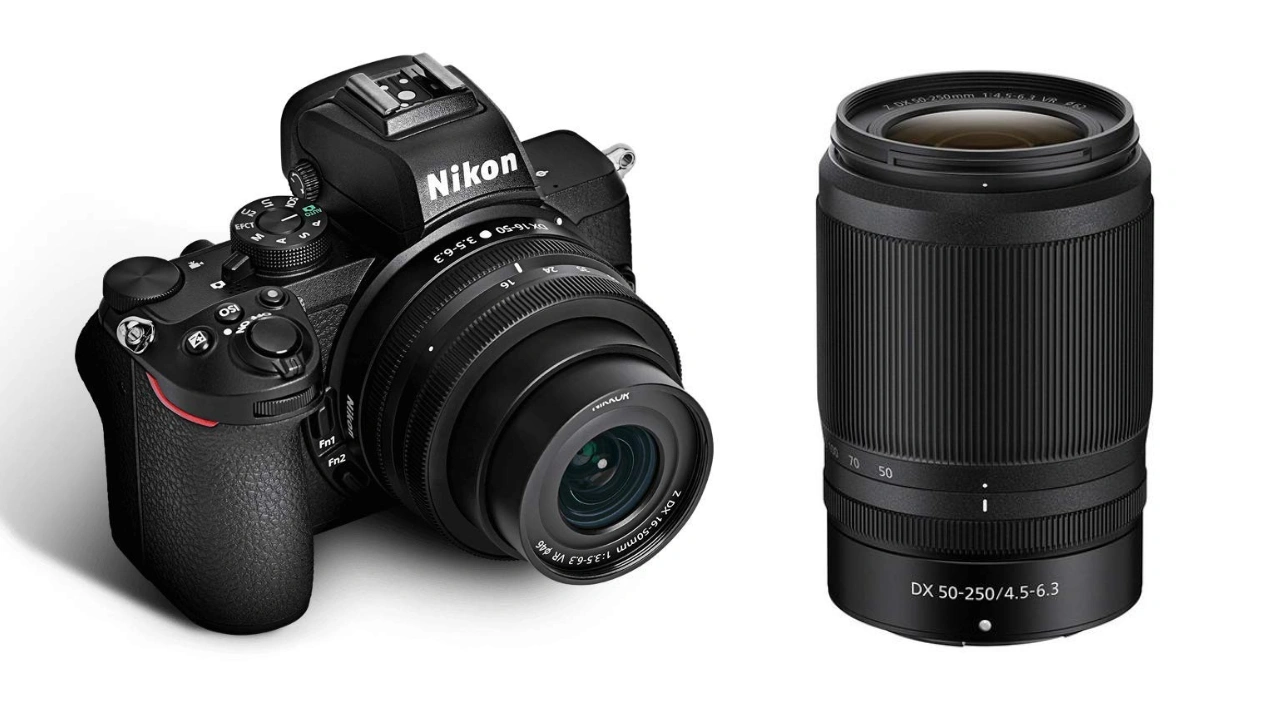
If you are willing to stretch your budget a little further, the Nikon Z50 becomes a very strong option within Nikon’s mirrorless lineup. It is built around a DX-format (crop sensor), similar to many beginner DSLRs, which means it delivers excellent image quality while keeping costs more manageable compared to full-frame systems. The camera is typically sold with a kit lens, giving beginners everything they need to start shooting right away without additional investment.
One of the biggest advantages of choosing a mirrorless camera like the Z50 is the electronic viewfinder, which allows you to see exposure, lighting, and color adjustments in real time as you make changes to your settings. This feature is especially helpful for beginners because it removes much of the guesswork and speeds up the learning process. In addition to that, the autofocus system offers a significantly higher number of focus points compared to traditional DSLRs, resulting in better subject tracking and overall accuracy.
With a price point just under $1000 when bundled with a kit lens, the mirrorless Nikon Z50 offers a great balance between performance and value, making it a reliable choice for those who want something more capable without jumping into higher-end territory.
For those who are thinking ahead and want a camera that can support their growth into more advanced photography, the Nikon Z5 is worth considering. It features a full-frame sensor, which provides improved low-light performance and greater control over depth of field. The overall handling feels quite similar to the Z50, making the transition smooth, but the added capabilities make it a more future-ready option, especially if you plan to invest in full-frame (FX) lenses. The body itself is typically priced at just under $1100, offering a solid entry into full-frame photography without an extreme jump in cost.
Which Camera Is Best for Your Needs?
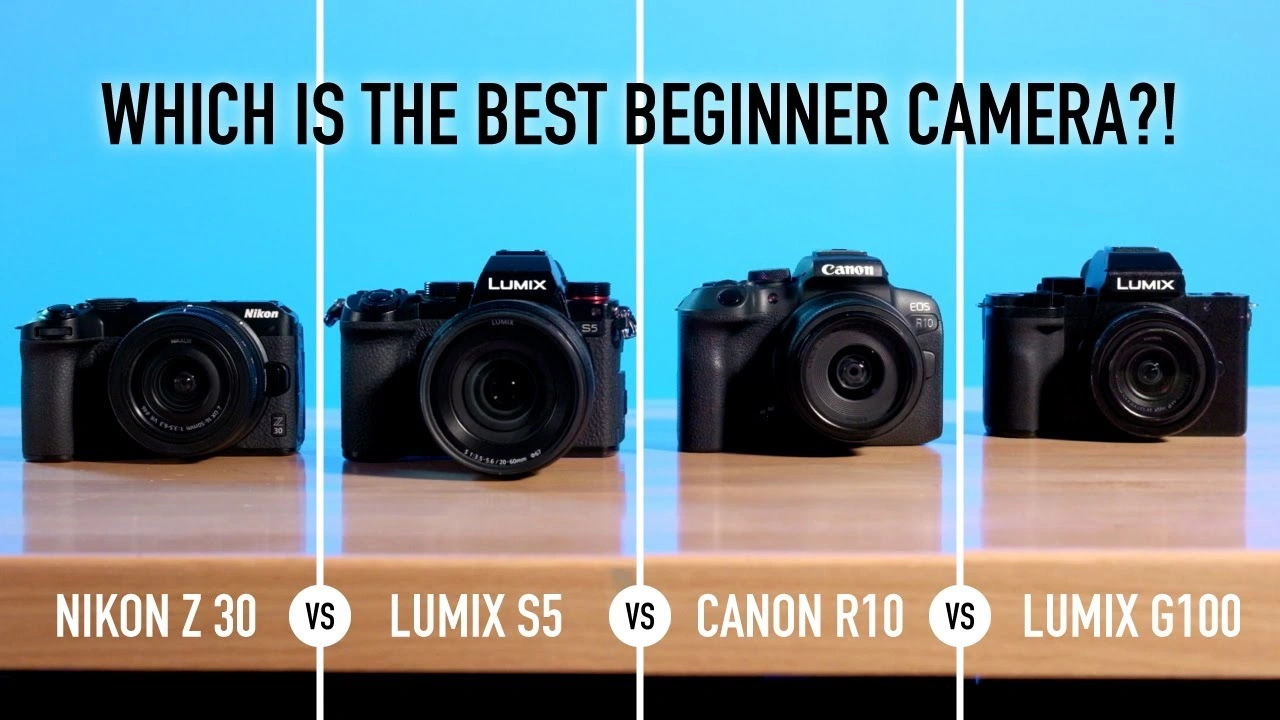
The best camera for beginners ultimately depends on how you plan to use it in real-world scenarios.
For studio photography, consistency and color accuracy are essential, and mirrorless cameras provide an advantage with real-time previews that help you fine-tune your lighting setup.
For eCommerce photography, the focus should be on detail, sharpness, and consistency, which can be achieved with both DSLR and mirrorless systems when paired with the right lenses and lighting.
For portrait photography, a camera with strong autofocus and good low-light performance will help you capture professional-quality images with ease.
For content creation and social media, a lightweight mirrorless camera with video capabilities and a flip screen will enhance your ability to produce engaging and dynamic content.
Importance of Lenses Over Camera Body
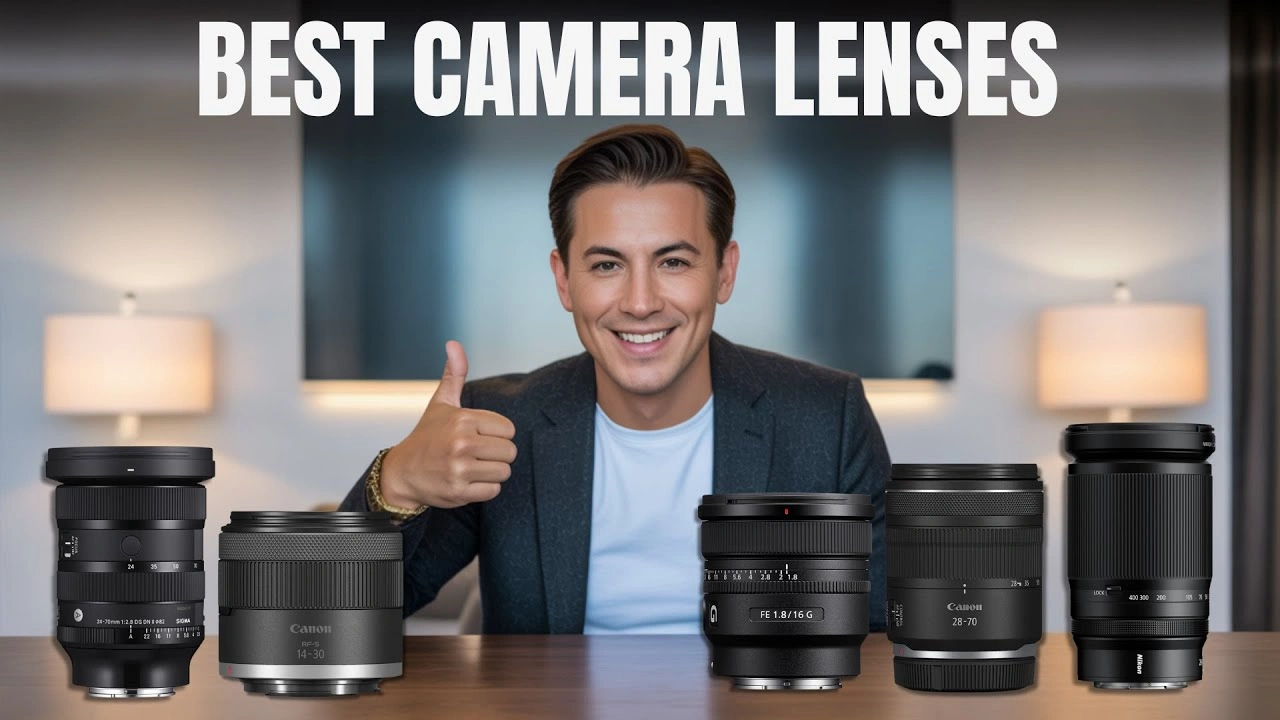
One of the most valuable principles in photography is that lenses have a greater impact on image quality than the camera body itself. Investing in high-quality lenses allows you to achieve better sharpness, improved depth of field, and more creative control over your images.
A 50mm prime lens is often recommended for beginners due to its versatility and ability to produce beautiful background blur, while a standard zoom lens provides flexibility for a wide range of shooting scenarios.
Budget Planning Guide
Planning your budget carefully ensures that you make smart investments that support your growth as a photographer.
An entry-level setup should focus on affordability while providing the essential tools needed to learn and practice.
A mid-range setup offers better performance and additional accessories that enhance your workflow and image quality.
Smart investment strategies involve prioritizing lenses, lighting, and editing tools, as these elements contribute more to your final results than the camera body alone.
Pro Tips for Beginners
Mastering manual mode gives you full control over your camera and allows you to understand the relationship between aperture, shutter speed, and ISO. Practicing composition helps you create visually appealing images that stand out and communicate your message effectively.
Lighting is one of the most important aspects of photography, and learning how to use both natural and artificial light will significantly improve your results. Consistent practice and real-world experience are essential for developing your skills and building confidence.
People Also Love This Resources:
- Best Storing Camera for Long Time Photography in 2026
- Best 3 Point Slinger For Camera On Professionals (Updated Guide)
- How to Choose the Best Camera for Photography
- When Were Cameras Invented? A Complete Timeline of Photography
About Cutout Partner as a Industry Leading Post-Production Photo Retouching Agency
Cutout Partner is a top leading post-production image solution and photo retouching agency serving clients worldwide. In today’s competitive digital environment, capturing a good photo is only the first step, as professional editing plays a crucial role in achieving a polished and impactful final result.
For eCommerce sellers and studio owners, high-quality visuals are directly linked to customer trust and conversion rates. Services such as background removal, image retouching, and color correction ensure that your images meet professional standards and stand out in a crowded marketplace.
By combining the right camera equipment with expert post-production services, businesses can create visually compelling content that strengthens their brand identity and drives growth.
Conclusion
Selecting the best camera for beginners becomes much easier when you focus on your specific needs, understand the current trends in camera technology, and invest wisely in both equipment and skills. While mirrorless cameras have become the leading choice in 2026, DSLR cameras still offer excellent value for those who are exploring budget-friendly options.
Ultimately, the best camera is not defined by its specifications but by how consistently you use it to learn, experiment, and create meaningful work. With the right approach, dedication, and tools, you can transform your passion for photography into a powerful creative and professional asset that supports your long-term goals.
Frequently Asked Questions (FAQ)
1. What is the best camera for beginners in photography?
The best camera for beginners depends on your goals, budget, and how you plan to use it. For most users in 2026, mirrorless cameras are the top choice because they offer modern features like real-time preview, advanced autofocus, and compact design. However, beginner-friendly DSLR cameras can still be a great option, especially if you are working within a tighter budget and are comfortable buying from the used market.
2.Should beginners choose a DSLR or mirrorless camera?
For beginners, mirrorless cameras are generally the better long-term investment because camera brands are focusing their innovation on this technology. Mirrorless systems provide real-time exposure previews, better autofocus, and lighter designs. DSLR cameras are still reliable and easier to find at lower prices, but they are no longer the main focus of new development.
3. How many megapixels do I need as a beginner photographer?
A camera with 20 to 24 megapixels is more than enough for beginners. This resolution is suitable for eCommerce product photography, social media content, studio work, and even large prints. Higher megapixels are not necessary unless you have very specific professional needs.
4. Is a full-frame camera necessary for beginners?
A full-frame camera is not necessary for beginners. APS-C (crop sensor) cameras are more affordable and provide excellent image quality for most uses. Full-frame cameras offer better low-light performance and depth of field control, but beginners can achieve professional results without them.
- What is the best camera for eCommerce photography?
The best camera for eCommerce photography is one that delivers consistent image quality, accurate colors, and sharp details. Both DSLR and mirrorless cameras work well, but pairing your camera with proper lighting and a good lens is more important than choosing an expensive body.
- Which camera is best for studio photography?
For studio photography, you should focus on cameras that offer reliable performance, accurate color reproduction, and strong autofocus. Mirrorless cameras are especially useful because they allow you to preview exposure and lighting changes in real time, making your workflow more efficient.
7. What lenses should beginners start with?
Beginners should start with a standard kit lens, such as an 18–55mm zoom lens, because it offers flexibility for different types of photography. A 50mm prime lens is also a great addition, as it provides sharp images and beautiful background blur for portraits and product shots.
- Is it better to invest in a camera body or lenses?
It is better to invest in lenses rather than spending all your budget on the camera body. High-quality lenses have a bigger impact on image sharpness, depth, and overall quality. A good lens can significantly improve your results even when used with an entry-level camera.
9. What budget should I plan for a beginner photography setup?
A basic beginner setup usually ranges from $500 to $800, which includes a camera and kit lens. A more advanced beginner setup can range from $800 to $1500, including better lenses, lighting equipment, and accessories. Planning your budget wisely ensures you get a complete setup rather than just a camera.
- Can I start photography with a used camera?
Yes, buying a used camera is a smart option for beginners, especially for DSLR models that are no longer widely available. As long as the camera is in good condition, a used camera can provide excellent performance at a lower cost.
Share this post

Ready to transform your images?
Elevate your brand with stunning, high-impact visuals. We’ll refine your photos to leave a lasting impression!
Get Started Now!