How to Outsource E-Commerce Photo Editing (Updated Guide In 2026)

How to Outsource E-Commerce Photo Editing (Updated Guide In 2026)

Are you looking for reliable outsource photo editing? Cutout Partner delivers high-quality, fast, and consistent product image editing for e-commerce brands.”

In today’s highly visual e-commerce world, customers rely more on product images than any other element when deciding whether to buy. They cannot touch, feel, or test your products physically, so they depend entirely on the visual representation you provide. This has made professional photo editing an essential part of running a successful online store, whether you sell fashion items, electronics, beauty products, furniture, or handmade crafts.

However, managing photo editing in-house can be expensive, time-consuming, and stressful—especially for growing businesses that must consistently deliver high-quality visual content. This is why many brands, photographers, agencies, and e-commerce entrepreneurs now choose to outsource photo editing to specialized post-production companies like Cutout Partner, a premium photo retouching agency known for delivering consistent quality with fast turnaround times and cost-efficient solutions.

If you are considering outsourcing your e-commerce photo editing but are unsure how the process works, what to expect, or how to choose the right service provider, this comprehensive guide will walk you through everything you need to know. By the end of the article, you will understand the entire outsourcing process, common challenges, and best practices to ensure your edited images help drive sales and strengthen your brand’s visual identity.

Why E-Commerce Businesses Outsource Photo Editing

Before exploring the steps involved in outsourcing, it is important to understand why so many businesses prefer to work with external editing teams. The reasons usually revolve around productivity, cost, and scalability.

Professional editing companies employ teams of skilled Photoshop experts who specialize in clipping paths, background removal, color corrections, retouching, ghost mannequin editing, shadow creation, HDR Real estate image editing and image manipulation. They offer a level of consistency and precision that is difficult to maintain with a small in-house team.

Outsourcing also frees up significant time for business owners, photographers, marketers, and e-commerce teams. Instead of spending hours editing images themselves, they can focus on content creation, marketing strategy, inventory planning, and improving customer experience. For large catalogs that require hundreds or thousands of product photos each month, outsourcing ensures reliable delivery deadlines without the need to hire, train, or manage additional staff.

Another advantage is cost savings. Maintaining an in-house editing team requires salaries, workstations, software licenses, and continuous training. Outsourcing eliminates these overhead costs while allowing businesses to adjust their editing requirements based on seasonal demand. During peak sales seasons, such as holidays or big promotional campaigns, outsourcing partners can scale up their workforce to handle larger volumes without compromising quality.

What Does It Mean to Outsource Photo Editing for E-Commerce?

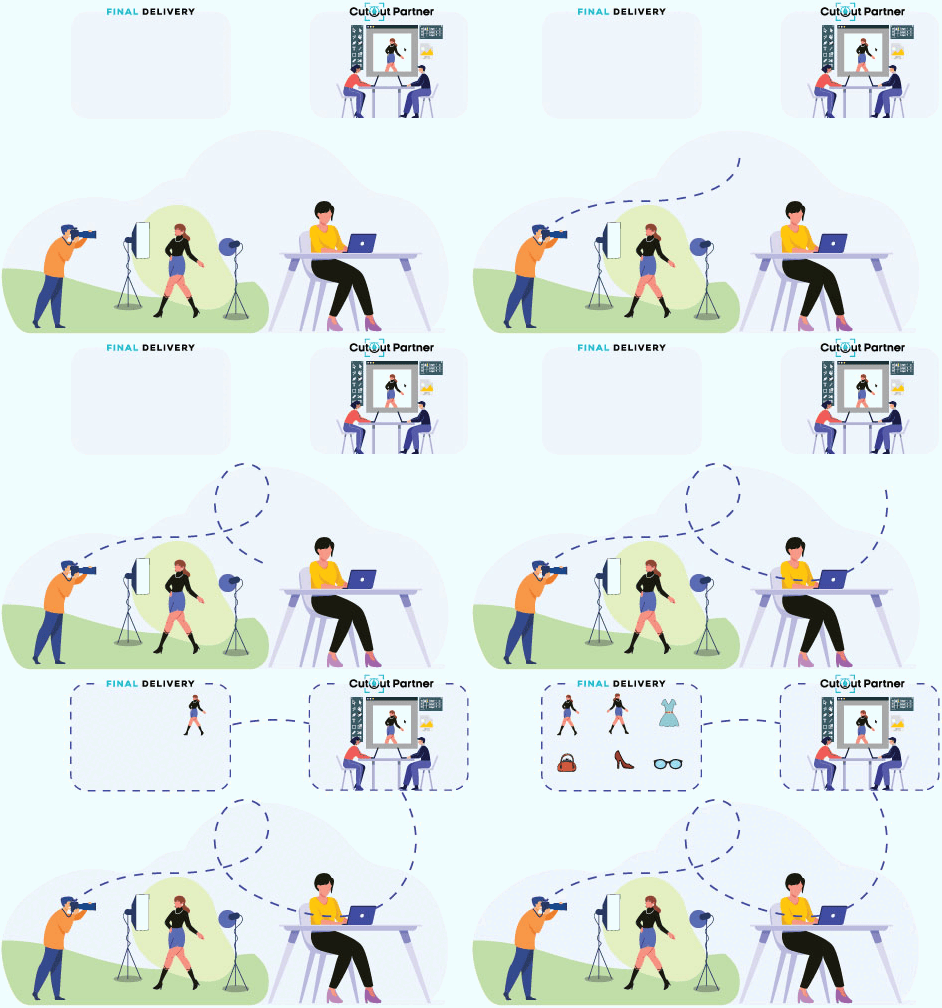
In the world of e-commerce, high-quality product photos are essential for attracting customers and increasing conversions. The creation of these images typically happens in three main stages: pre-production, production, and post-production.

  • Pre-production involves planning, organizing props, preparing products, and setting up the direction for the photoshoot.
  • Production is the actual photoshoot where the images are captured.
  • Post-production—the most detail-oriented stage—includes editing and perfecting the images before they go live online.

When you outsource photo editing, you hand over this post-production work to an external professional retouching team. After your photoshoot is completed, you simply send the raw images to a specialized editing provider. They enhance, correct, and polish the images based on your style guide, then return consistent, ready-to-publish visuals that match your brand’s identity.

What Does Outsourced Image Editing Include?

Photo editing can cover many different tasks, depending on the level of detail required. Most e-commerce businesses outsource editing to save time, reduce costs, and maintain consistent quality across all product listings.

Basic Editing Services

Basic editing ensures your product photos look clean, consistent, and professional. This may include:

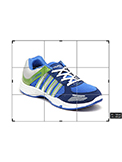
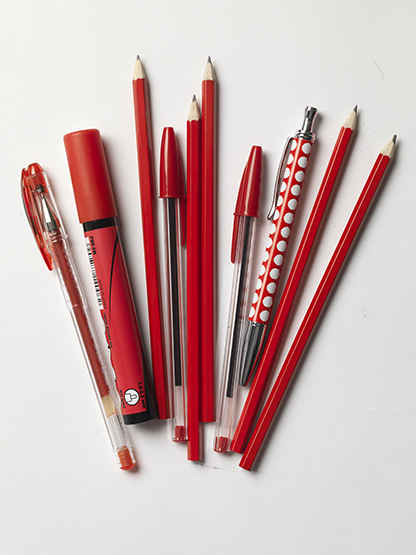
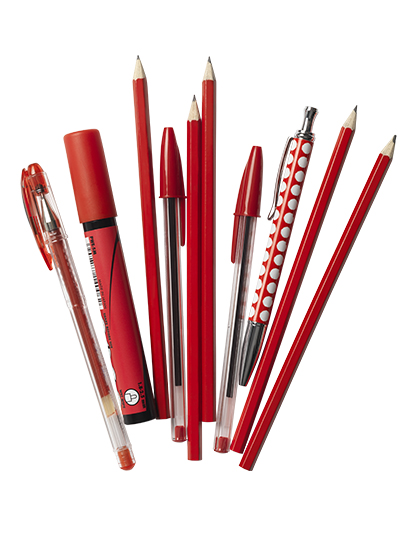
  • Photoshop Background removal
  • Clipping paths and masking
  • Consistent product alignment within the frame
  • Standardized margins and cropping
  • Image compression for web performance
  • Setting aspect ratios
  • Adjusting width and height
  • File format conversion (JPEG, PNG, WEBP)

These edits help your products stand out clearly and uniformly across your website, marketplaces, and marketing materials.

Advanced Photo Retouching Services

Some outsourced editing providers also offer advanced photo retouching, a more detailed process that enhances the product itself. Although “editing” and “retouching” are often used interchangeably, retouching usually focuses on improving the look of the product, model, or environment within the photo.

Advanced retouching may include:

  • Wrinkle and crease removal for apparel
  • Model skin retouching
  • Shadow correction and enhancement
  • Product cleanup (removing dust, lint, scuffs, pins, or imperfections)
  • Color correction for accurate product representation
  • Reflection and shine control
  • Removing distracting elements

These refinements help create flawless, high-impact product images that elevate the overall customer experience.

Why Outsource Photo Editing for E-Commerce?

In e-commerce, nearly every product image goes through an editing process before it is ready for publishing. As brands grow, they eventually face an important decision: should photo editing be handled in-house, or should it be outsourced to a specialized editing partner?

For many years, retailers and brands relied on internal teams—or the photo studio shooting their products—to handle post-production. However, what many businesses don’t realize is that most professional photo studios already outsource their editing to external experts. They do this because outsourcing delivers consistent results, reduces operational pressure, and helps streamline the production workflow.

When outsourcing is done carefully—by selecting a skilled and reliable provider—it not only reduces editing costs but also improves the final image quality. Faster turnaround times mean products go online sooner, helping brands stay competitive and increase sales.

Step-by-Step Guide: How to Outsource E-Commerce Photo Editing Successfully

Step 1: Identify Your Editing Needs

The first step in outsourcing is understanding exactly what type of editing your products require. Different categories of e-commerce products demand specific types of visual enhancements. For example:

  • Fashion products often require color correction, fabric smoothing, ghost mannequin effects, and wrinkle removal.
  • Jewelry items need high-end retouching, shine enhancement, and dust removal.
  • Electronics benefit from reflection control, highlight adjustments, and product alignment.
  • Furniture often requires environmental adjustments, realistic shadows, and perspective corrections.

By identifying your editing requirements clearly, you will be able to communicate more effectively with the editing team. This will help maintain consistency across your catalog and avoid misunderstandings or unnecessary revisions later.

Step 2: Choose the Right Outsourcing Partner

Selecting the right photo editing company is one of the most important decisions in the outsourcing process. Look for a team that has extensive experience, a strong image editing portfolio, and the ability to deliver consistent quality at scale.

Reputable companies like Cutout Partner, which employs more than 50 professional Photoshop experts and serves clients worldwide, are equipped to handle large batch editing projects with precision. Their services include clipping path, background removal, ghost mannequin, retouching, and advanced image manipulation—making them a trusted partner for e-commerce brands, photographers, studios, and agencies.

When evaluating potential partners, consider factors such as:

  • Years of experience in the industry
  • Sample work or portfolio quality
  • Turnaround times for both small and large batches
  • Pricing structure and flexibility
  • Quality control process
  • Data privacy measures
  • Customer support responsiveness

A reliable partner should be able to provide clear communication, transparent pricing, and consistent results.

Step 3: Communicate Your Style Guidelines Clearly

To ensure your product images maintain a strong and cohesive visual identity, you should create and share detailed style guidelines with your editing provider. This includes instructions such as:

  • Preferred background colors (white, gray, transparent, etc.)
  • Shadow types (natural shadow, drop shadow, reflection shadow)
  • Cropping ratios, margins, and alignment rules
  • Color accuracy expectations
  • Retouching intensity
  • File format and resolution requirements
  • Naming conventions

When editing teams can refer to a well-organized set of requirements, the results become more predictable and aligned with your branding. This reduces the number of revisions needed and speeds up the entire production process.

Step 4: Prepare and Organize Your Files

Proper file management is essential for a smooth outsourcing workflow. Make sure your raw or unedited images are well-organized before sending them to the editing team. You can categorize them by product type, SKU number, or project name. Create folders that are clearly labeled and easy to navigate.

Using cloud platforms such as Google Drive, Dropbox, or WeTransfer is one of the simplest ways to share your files. This ensures the editing team can download and upload images efficiently. Avoid sending images one by one or through unorganized folders, as this slows down the process and increases the chances of errors.

Step 5: Request a Trial or Sample Edit

Most professional editing companies offer a free trial or sample edit to help clients evaluate their quality before placing a larger order. This trial is valuable for testing:

  • Editing precision
  • Attention to detail
  • Color accuracy
  • Background cleanliness
  • Retouching style
  • Turnaround time
  • Overall professionalism

A trial edit allows you to confirm whether the editing team understands your style and expectations. Once you are satisfied, you can proceed with bulk orders confidently.

Step 6: Discuss Deadlines, Workflow, and Bulk Capacity

Once you choose your outsourcing partner, discuss the expected turnaround times clearly. E-commerce operations often require fast delivery, especially when uploading new product listings or preparing for seasonal promotions.

Professional companies like Cutout Partner typically offer flexible turnaround times depending on project volume. They may deliver small batches within 12–24 hours and handle large orders within a few days. The more transparent you are about your deadlines, the easier it will be for the editing team to plan and deliver on time.

This is also a good opportunity to discuss workflow preferences, such as:

  • Delivery schedule
  • Revision process
  • Payment terms
  • Batch uploading
  • File-naming rules
  • Urgent task handling

A clear workflow prevents confusion and ensures long-term collaboration.

Step 7: Review Edited Images Carefully

Once you receive the edited images, review them thoroughly to ensure they meet your expectations. Check for:

  • Accurate clipping paths
  • Clean background removal
  • Proper lighting and color adjustments
  • Correct shadows and reflections
  • Natural but polished retouching
  • No visible artifacts or errors
  • Consistency across all images

If something is missing or needs modification, request revisions. Professional editors usually provide several rounds of revisions until you are fully satisfied.

Step 8: Maintain Long-Term Collaboration

The best outsourcing relationships are long-term partnerships built on trust, communication, and consistent delivery. Once you find a reliable provider, it becomes easier to delegate tasks without worrying about the outcome. Over time, your editing partner becomes familiar with your style preferences and brand requirements, which reduces revision time and improves quality even further.

Cutout Partner, for example, works with more than 3,000 clients worldwide and maintains strong relationships through dependable service, professional communication, and consistent results. Long-term collaborations allow clients to receive priority service, tailored pricing, and faster turnaround.

Benefits of Outsourcing E-Commerce Photo Editing

Outsourcing your photo editing offers several advantages that directly impact your sales performance, productivity, and brand reputation.

1. Enhanced Visual Appeal

Professional editors understand how to enhance product details while maintaining a natural look. This creates images that attract customers and improve conversion rates.

2. Cost Efficiency

Instead of hiring full-time staff or purchasing expensive software, outsourcing allows you to pay only for the services you need.

3. Scalability During Peak Seasons

Editing companies can scale quickly to handle large volumes during promotional events, seasonal sales, or product launches.

4. Faster Turnaround Times

Specialized teams work around the clock, allowing businesses to list products faster and maintain a competitive edge.

5. Consistency and Professional Quality

Outsourcing ensures a unified look across your entire catalog, which strengthens brand identity and creates a professional online presence.

You might also read this articles

Why Choose Cutout Partner: The #1 Outsourced Photo Editing Company Trusted Worldwide

In today’s fast-growing digital marketplace, high-quality visuals are essential for capturing customer attention and building trust. Businesses, photographers, and eCommerce brands often struggle to manage large volumes of images while maintaining consistent quality. This is where Cutout Partner stands out as the #1 outsourced photo editing company trusted by clients across the globe.

Cutout Partner combines expertise, efficiency, and reliability to deliver professional results at scale. With a dedicated team of 50+ skilled Photoshop experts, the company offers a wide range of services, including clipping paths, background removal, ghost mannequin editing, product retouching, color correction, and advanced image manipulation. Every image is processed with precision to ensure it meets commercial standards and enhances brand appeal.

One of the key reasons businesses choose Cutout Partner is the company’s commitment to fast turnaround times without compromising quality. Whether you’re handling a small batch of product photos or thousands of images for seasonal campaigns, the team ensures consistent results and smooth delivery.

With over 3,000 satisfied clients worldwide, Cutout Partner has built a reputation for reliability, affordability, and exceptional quality control. For brands aiming to elevate their visual content, Cutout Partner remains the trusted partner for seamless, professional, and impactful photo editing.

Common Mistakes to Avoid When Outsourcing Photo Editing

While outsourcing offers many advantages, new clients sometimes make mistakes that lead to delays or unsatisfactory results. Avoid these issues by planning ahead.

Unclear Instructions

Ambiguous guidelines can produce inconsistent images. Always provide detailed references and style rules.

Last-Minute Orders

Rushing without planning can compromise quality. Try to schedule editing tasks in advance.

Sending Low-Quality Raw Files

Blurry or poorly lit images make editing difficult and can result in subpar results.

Choosing Based on Lowest Price Alone

The cheapest option is rarely the best. Focus on skill, reliability, and long-term value.

You might also read this relevant article👇

Final Thoughts

Outsourcing e-commerce photo editing is one of the smartest decisions you can make for the long-term growth of your online business. It saves time, reduces costs, and ensures that your products are presented in the most professional and visually appealing way. When done correctly, outsourcing helps build a consistent brand identity and enhances customer trust, which ultimately leads to higher sales and stronger business performance.

Companies like Cutout Partner, with more than fifty experienced Photoshop experts and thousands of satisfied clients worldwide, provide a reliable solution for businesses that want premium-quality editing without the burden of managing an in-house team. By following the steps outlined in this guide—identifying your needs, choosing the right partner, communicating clearly, organizing your files, reviewing carefully, and building long-term collaboration—you will enjoy a seamless outsourcing experience that elevates your e-commerce brand and accelerates your growth.

FAQ on Outsource Photo Editing

1. What does outsourcing photo editing mean?

Outsourcing photo editing means sending your raw photos to an external editing service or professional retoucher who enhances, corrects, and prepares the images according to your brand requirements.

2. Why should I outsource photo editing for my e-commerce store?

Outsourcing saves time, reduces editing costs, ensures consistent quality, and allows you to publish product images faster without overloading your in-house team.

3. Who typically uses outsourced photo editing services?

E-commerce brands, online retailers, product photographers, creative agencies, fashion studios, Amazon sellers, and commercial photo studios frequently use outsourced editing.

4. What types of editing can be outsourced?

You can outsource basic edits like background removal, cropping, alignment, color correction, and file formatting, as well as advanced retouching such as wrinkle removal, model skin retouching, shadow adjustments, and product cleanup.

5. Is outsourcing photo editing cost-effective?

Yes. Outsourcing eliminates the need for hiring full-time editors, expensive editing software, and training costs. You only pay for the images you need, making it more budget-friendly.

6. How fast is the turnaround time for outsourced editing?

Most professional editing companies deliver images within 12–48 hours, depending on the volume and complexity of the project.

7. Will outsourced editors follow my brand style or guidelines?

Yes. Reputable editing companies work according to your style guide, ensuring your images remain consistent across product categories and platforms.

8. Is it safe to send my photos to an external editing provider?

Professional outsourcing companies follow strict data security policies to protect your files. Many offer NDAs, secure upload systems, and encrypted file transfers.

9. Can I outsource editing during peak seasons or large bulk orders?

Absolutely. Outsourcing is ideal for high-volume seasons like holidays or product launches because providers can scale their workforce to handle bulk workloads.

10. What file formats do outsourcing services deliver?

Most companies provide files in JPEG, PNG, TIFF, PSD, or any format you specify based on your e-commerce platform requirements.