A telephoto lens helps make distant subjects look much closer to your camera. But it’s not only useful for photographing things that are far away. If that’s the only way you use it, you’re missing many creative opportunities.
In this article, we’ll explain everything beginner photographers should understand about telephoto lenses. Then we’ll share 8 creative ways you can use them to capture amazing photos. Keep reading to discover how they work and how to make the most of them!
Actually What Is a Telephoto Lens?
A telephoto lens helps make distant subjects look much closer to your camera. But it’s not only useful for photographing things that are far away. If that’s the only way you use it, you’re missing many creative opportunities.
In this article, we’ll explain everything beginner photographers should understand about telephoto lenses. Then we’ll share 8 creative ways you can use them to capture amazing photos. Keep reading to discover how they work and how to make the most of them!
What Are the Different Types of Telephoto Lenses?
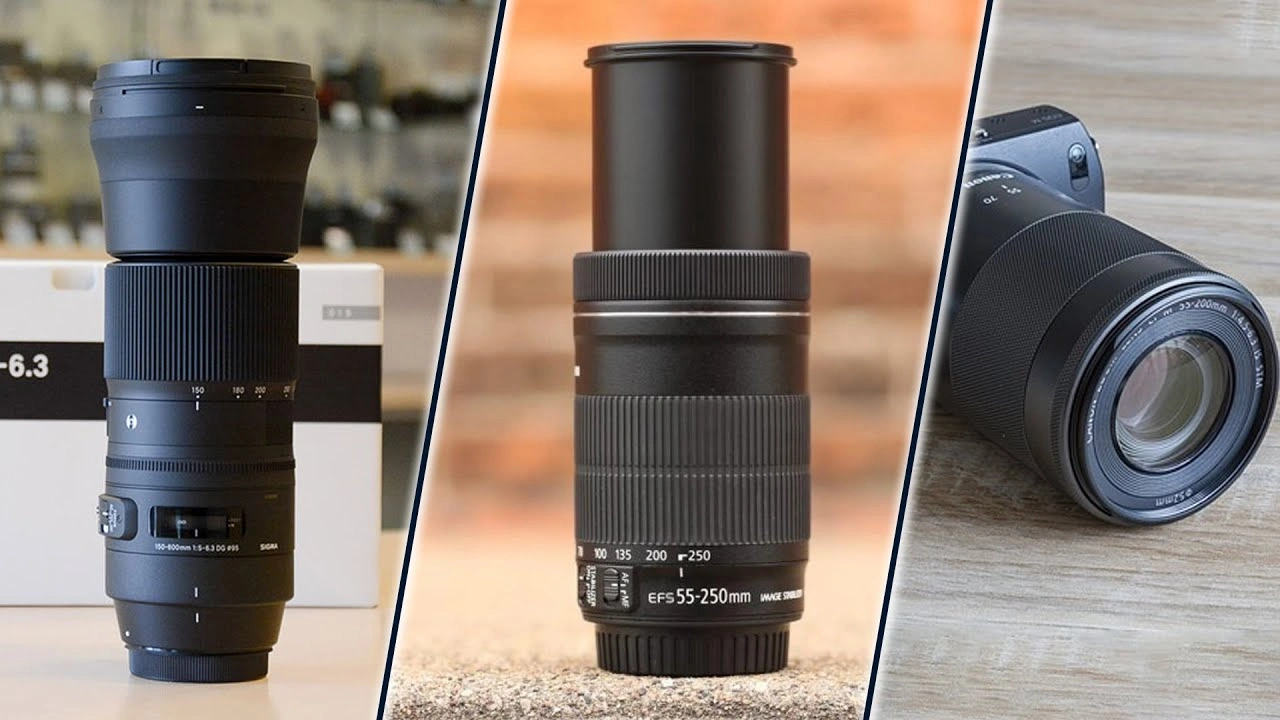
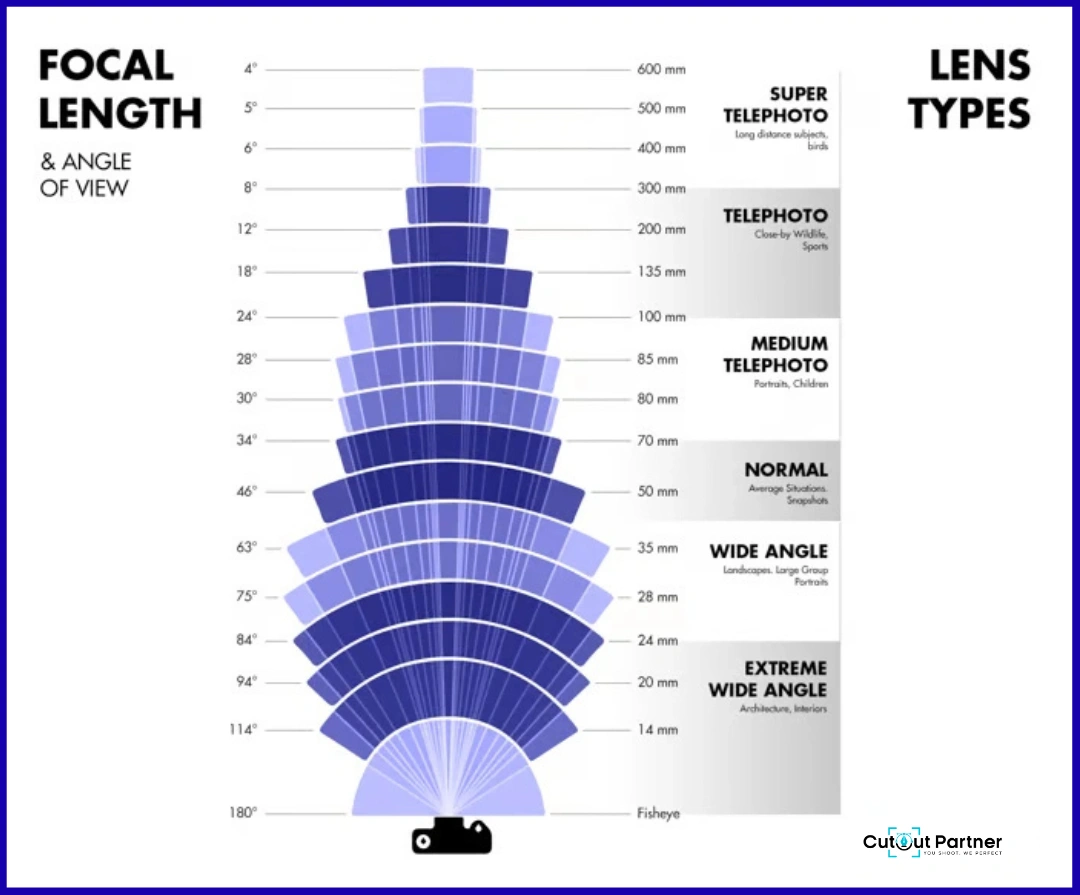
Telephoto lenses are grouped into different categories based on their focal length.
Lenses between 85mm and 135mm are called short telephoto lenses. They help bring subjects closer and create nice background blur. However, the blur effect is not as strong as with longer lenses. These focal lengths are very popular for portrait, product, and event photography.
They allow photographers to get good background separation without standing too far away from the subject.
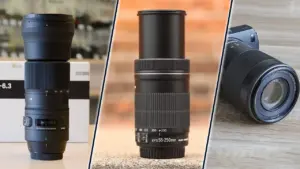
Lenses from 135mm to 300mm are known as medium telephoto lenses. These are some of the most commonly used telephoto lenses. They provide more zoom and reach while still being reasonably priced. Many photographers prefer this range because it offers a good balance between distance and image quality.
Lenses above 300mm are called super-telephoto lenses. These lenses offer the greatest reach and allow you to photograph subjects that are very far away. When used on a crop sensor camera, the effective focal length can feel as long as 1000mm. However, these lenses have a very narrow field of view, usually between 1 and 8 degrees. Super-telephoto lenses are often expensive and mainly used by professionals for sports, wildlife, and night sky photography.
Because super-telephoto lenses are large and heavy, a tripod is usually necessary. Even if the lens has built-in image stabilization, it is difficult to hold it steady enough by hand. Many large telephoto lenses include a tripod collar to better support their weight.
For example, a photo taken at 165mm will show less zoom compared to one taken at 300mm, where the subject appears much closer.
Telephoto Lenses and Sensor Sizes
A 300mm lens on a full-frame camera stays a true 300mm lens. However, when you change the camera’s sensor size, the field of view changes. As a result, the image looks more zoomed in, even though the actual focal length of the lens does not change.
Crop sensor cameras, such as APS-C or Micro Four Thirds, make telephoto lenses appear to bring the subject closer. This happens because the smaller sensor captures only the center part of the image projected by the lens.
A lens always projects the same image onto the sensor. But if the sensor is smaller, it crops the outer edges of that image. This cropping effect makes distant subjects look closer than they would on a full-frame camera.
Because of this, photographers who need extra reach often choose crop sensor cameras. Even though full-frame cameras usually provide better overall image quality, crop sensors can be helpful for certain types of photography.
For example, in macro or wildlife photography, using a crop sensor camera can make your lens feel longer. A Micro Four Thirds camera has a 2x crop factor. This means a 300mm lens will give a field of view similar to a 600mm lens on a full-frame camera.
This allows photographers to get closer to their subjects without carrying a much larger lens. However, there can be trade-offs, such as lower resolution and slightly reduced image quality compared to full-frame cameras.
How to Deal With Camera Shake
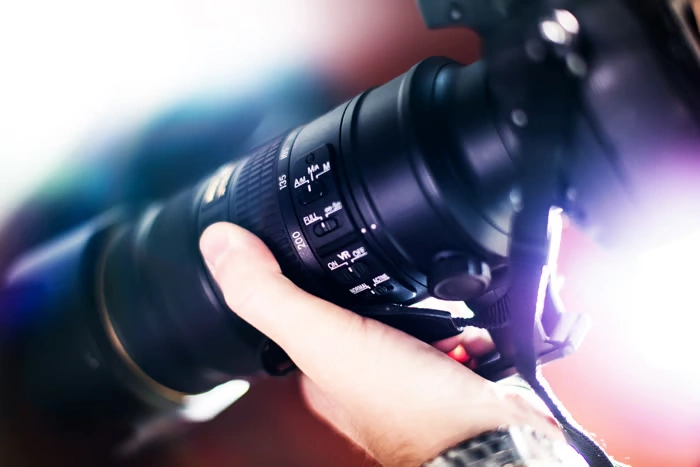
Camera settings that work well with a wide-angle lens may cause blur when using a telephoto lens. This is because telephoto lenses are more sensitive to camera shake.
Since telephoto lenses magnify the subject, they also magnify small hand movements. Even a slight shake can create noticeable blur in your photo. These lenses are often heavier as well, which can make it harder to hold them steady.
A simple rule for handheld shooting is this: your shutter speed should be equal to or faster than the focal length of your lens. For example, if you are using a 100mm lens, your shutter speed should be at least 1/100 second. If you are using a 200mm lens, try to shoot at 1/200 second or faster.
Heavier lenses may require even faster shutter speeds to avoid blur. If you want to use a slower shutter speed with a telephoto lens, it is best to use a tripod for stability. However, this rule does not apply in every situation.
Some lenses have built-in image stabilization, and some cameras have in-body image stabilization (IBIS). These systems use special sensors and small motors to reduce movement inside the lens or camera body. This technology helps you shoot at slightly slower shutter speeds while still keeping your images sharp, especially when using longer focal lengths.
What to Know About Telephoto Lens Apertures
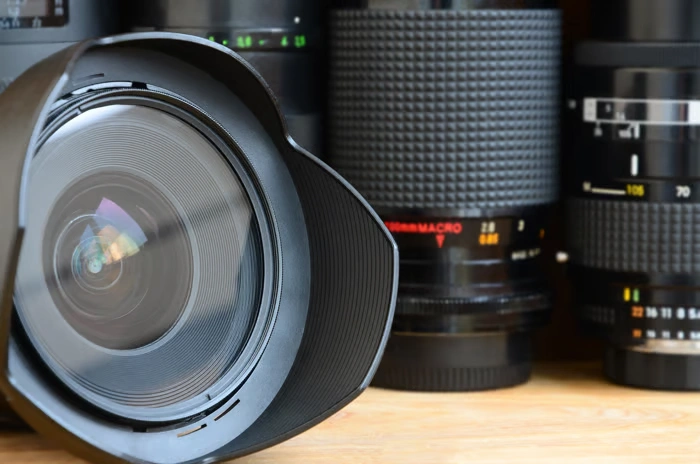
Like all lenses, telephoto lenses with a wide maximum aperture are usually more expensive. However, with telephoto photography, a wide aperture is often very important. Since you typically need a fast shutter speed to avoid camera shake, a wide aperture helps let in more light. This keeps your images bright and sharp. Lenses with lower f-numbers (such as f/2.8) also often deliver better image quality.
Many telephoto lenses are zoom lenses. More affordable zoom options usually have a variable aperture. For example, a lens labeled 70–300mm f/4–5.6 means the maximum aperture changes as you zoom in. At 70mm, the widest aperture is f/4, and at 300mm, it becomes f/5.6.
More expensive telephoto zoom lenses often have a fixed aperture, such as f/2.8 or f/5.6. This means the maximum aperture stays the same throughout the zoom range, which gives you more consistent performance and better low-light results.
If you want even better image quality, you can choose a prime telephoto lens. Prime lenses have a fixed focal length and often offer wider apertures and sharper results. Some telephoto prime lenses also include macro capability, making them a great choice for detailed close-up photography.
How Telephoto Lenses Affect the Background
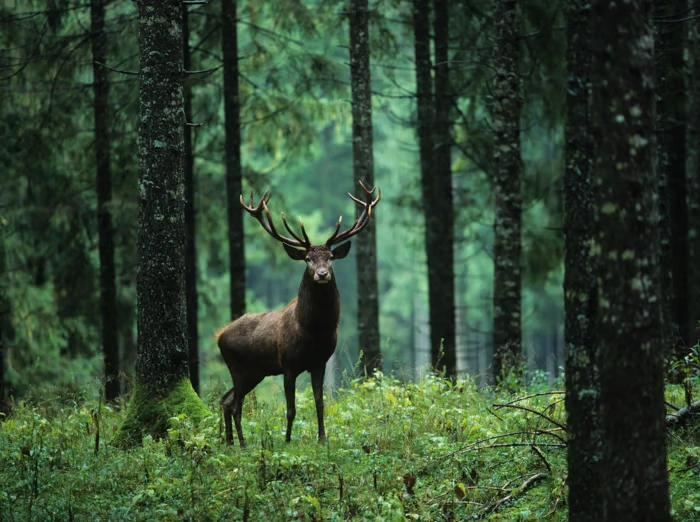
Many photographers choose a telephoto lens because of how it changes the background in a photo. When using a telephoto lens, the background appears closer to the subject compared to a wide-angle lens. The longer the focal length, the more compressed the distances look.
This effect is called lens compression. It does not happen because of the lens itself, but because the photographer stands farther away from the subject. As you move back and zoom in, the background seems to come closer to the subject.
Lens compression helps reduce empty space in the frame and makes the background look fuller. It can also make the background appear more blurred.
However, a common misunderstanding is that telephoto lenses automatically create a shallow depth of field. In reality, the lens does not change the depth of field calculation. Instead, the compression effect brings the blurred background visually closer, which makes the blur look stronger than it actually is.
How Telephoto Lenses Affect the Subject

The background looks very different when comparing a wide-angle lens to a telephoto lens. But the subject itself also changes in subtle ways.
Just like the background distance looks compressed, the distances within the subject also appear shorter. For example, in portrait photography, a wide-angle lens can make the eyes, nose, and mouth look farther apart. It can slightly stretch facial features. In contrast, a telephoto lens makes those features appear closer together. This usually creates a more natural and flattering portrait.
This effect is not limited to portraits. A telephoto lens makes all distances in the image look shorter. This type of distortion is called pincushion distortion, which is the opposite of barrel distortion. It can happen in both zoom and prime lenses.
Telephoto lenses also have a narrow angle of view. They capture a smaller part of the scene compared to wide-angle lenses. To fill the frame, the image may appear slightly stretched, especially toward the edges. This effect can be more noticeable on full-frame cameras.
To reduce this distortion, you can apply lens profile corrections during editing. If you want objects in your photo to appear closer together, use a telephoto lens. If you want to make distances look larger and more dramatic, choose a wide-angle lens instead.
8 Creative Tips for Using a Telephoto Lens
Most people know that a telephoto lens is great for photographing subjects from a distance. But that’s not the only way to use it. A telephoto lens can help you capture unique, powerful, and creative images in many different situations. Here are 8 creative ways to use a telephoto lens.
1. Use It to Fill the Frame
A telephoto lens allows you to fill the entire frame with your subject, creating strong and dramatic close-up shots. By zooming in from a distance, you can remove distractions and focus only on the most important details.
However, this technique does not work well in every situation. Extreme close-ups can sometimes feel too tight or overwhelming if overused. That is why photographers use this method carefully and only when it adds impact to the image.
When you want to highlight details, expressions, or textures without physically moving closer, a telephoto lens is an excellent choice.
2. Remove Unappealing Foreground Elements
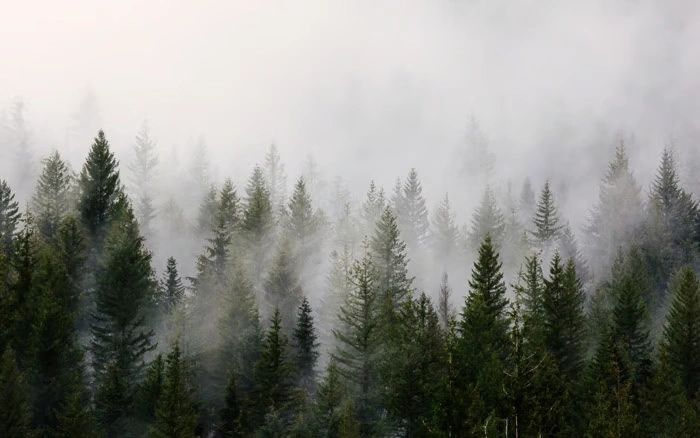
A telephoto lens helps you avoid distracting foreground elements by focusing tightly on your subject. Because it has a narrow angle of view, it captures a smaller part of the scene and leaves out unwanted objects.
You could crop the image later during editing to remove distractions. However, heavy cropping can reduce image quality and resolution.
By using a telephoto lens, you create a tight composition directly in the camera. This way, the effect is achieved naturally through the lens, without cutting away parts of the photo afterward.
3. Compress the Frame
A telephoto lens can make an image look flatter compared to a wide-angle lens. It brings background objects visually closer to the foreground, making everything seem more compact.
This effect, known as compression, can be used creatively. For example, you can make the moon appear larger behind buildings or mountains in a landscape photo. It also helps keep objects in better proportion in still-life photography.
By using this compressed perspective, you can create stronger visual impact and more dramatic compositions.
4. Capture Tight Portraits
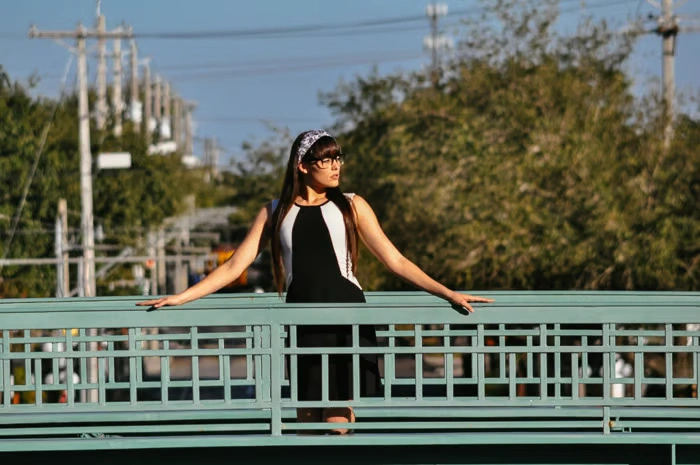
Different lenses affect how a person’s face looks in a photo. Wide-angle lenses can sometimes distort facial features, making them appear stretched. Medium telephoto lenses, however, are ideal for portraits because they keep faces looking natural.
Telephoto lenses let you take tight headshots or half-body portraits without distortion. Focal lengths between 85mm and 135mm work best for close-up portraits. Using a telephoto lens allows you to stay a comfortable distance from your subject while still filling the frame, producing flattering and professional-looking portraits.
5. Use It as a “Macro” Lens

Technically, a lens can only be considered a macro lens if it has 1:1 magnification or higher. This means the image captured by the sensor is the same size as the subject. But telephoto lenses cannot achieve this level of magnification. So they are not considered true macro lenses.
However, they can still be used for macro photography by zooming in on small objects. This creates close-up shots that magnify small elements in the frame.
6. Shoot Close-Ups of the Moon
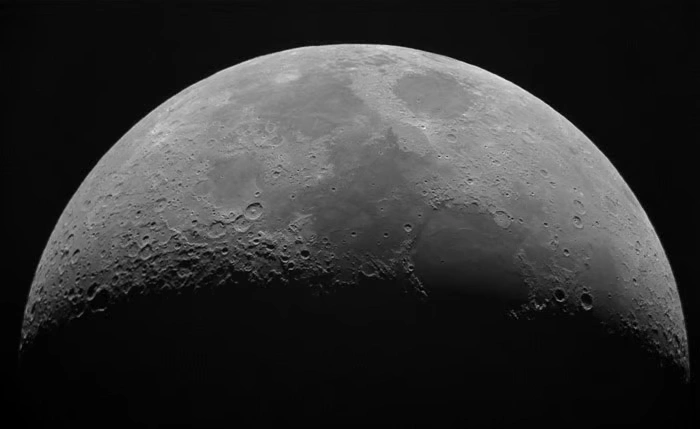
Telephoto lenses are perfect for photographing the moon and other celestial objects. They make the moon appear much larger in your frame, creating striking shots of the night sky.
Longer focal lengths give more magnification, but they can be expensive. A 70–300mm telephoto lens is a more affordable option that still allows you to capture close-up shots of the moon. It can also include the surrounding landscape for dramatic star or night photography.
7. Pan for Excellent Motion Blur
Panning is a technique where you move the camera along with a moving subject while using a slower shutter speed. This creates a sense of motion by blurring the background while keeping the subject relatively sharp.
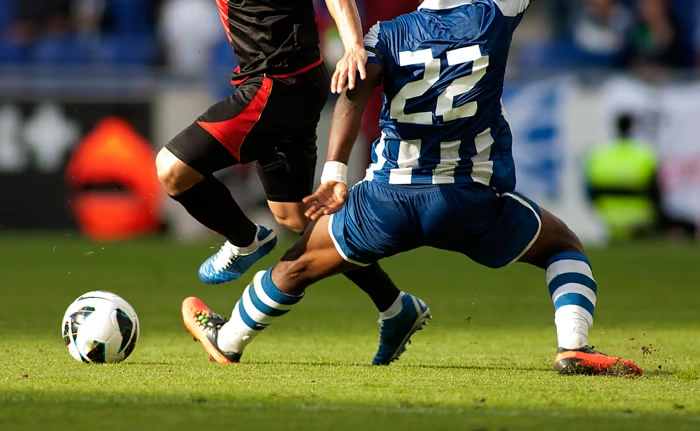
While you can pan with any lens, telephoto lenses work especially well for sports and action photography. To achieve motion blur, set your shutter speed to around 1/30 second or slower. Follow the main subject smoothly as it moves through the frame. This results in a blurred background and gives the feeling of speed and movement in your photo.
8. Zoom In to Create Zoom Bursts
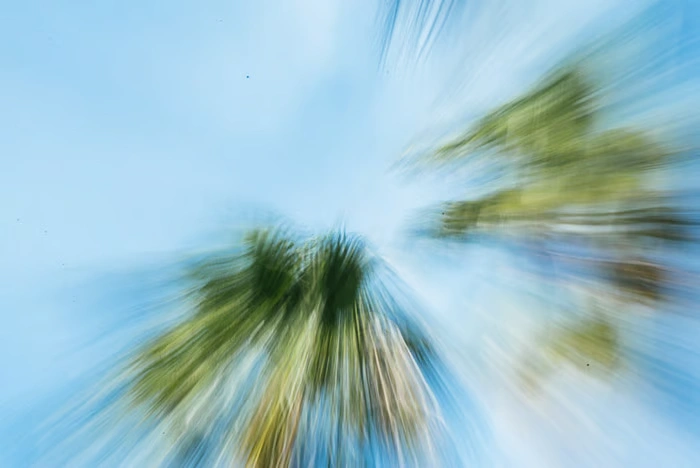
Zoom bursts are a creative technique where you zoom in or out while taking a photo, creating streaks that make the image look like it’s moving at warp speed. This works only with zoom lenses since prime lenses don’t have a zoom function.
To try this effect, set your shutter speed to 1/30 second or slower. Focus on your subject first, then zoom in or out as you press the shutter. The combination of a slow shutter and the zoom movement produces a striking motion blur effect that adds energy and drama to your image.
Conclusion
Telephoto lenses are perfect when you can’t get physically close to your subject. They also help create a shallow depth of field and avoid distortions like barrel distortion.
By experimenting with different types of photography, you’ll discover how useful telephoto lenses can be. Some photographers think they don’t need one at first, but once they explore the many creative ways to use a telephoto lens, they often find it becomes essential. With a telephoto lens, you can take your photography to a whole new level!
FAQ On What is a Telephoto Lens?
1. What is a telephoto lens?
A telephoto lens is a camera lens with a long focal length that allows you to photograph subjects from a distance. It magnifies faraway objects, making them appear closer in your frame.
2. How is a telephoto lens different from a regular lens?
Unlike wide-angle or standard lenses, telephoto lenses have a narrow field of view and can “zoom in” on distant subjects. This makes them ideal for capturing details that are far away.
3. What are the common types of telephoto lenses?
- Short telephoto (85–135mm): Great for portraits and event photography.
- Medium telephoto (135–300mm): Ideal for sports, wildlife, and general long-distance photography.
- Super-telephoto (300mm+): Best for wildlife, birds, or astrophotography.
4. Why should I use a telephoto lens?
- To photograph subjects that are far away.
- To create background blur (shallow depth of field) and make your subject stand out.
- To compress distances in your photo, making backgrounds appear closer.
To avoid distortions common with wide-angle lenses.
5. When do I need a telephoto lens?
- Wildlife photography: Capture animals safely from a distance.
- Sports photography: Get close to the action without being on the field.
- Portraits: Achieve flattering facial proportions with a natural look.
- Astrophotography: Zoom in on the moon or stars.
- Creative shots: Isolate subjects, compress the frame, or remove distracting foreground elements.
6. Do I need a tripod with a telephoto lens?
Yes, especially for lenses longer than 300mm or when shooting at slow shutter speeds. Telephoto lenses magnify shake, so a tripod helps keep images sharp.
7. Can I use a telephoto lens on any camera?
Yes, but the camera’s sensor size affects the field of view. Crop sensors make the lens appear “longer,” while full-frame cameras give the true focal length.
8. Are telephoto lenses expensive?
They can be. Lenses with longer focal lengths or wider apertures tend to cost more. However, there are affordable options like 70–300mm lenses that offer good quality for beginners.
9. Can telephoto lenses be used creatively, not just for zooming in?
Absolutely! Telephoto lenses are great for:
- Creating motion blur with panning
- Compressing backgrounds
- Filling the frame with the subject
- Zoom burst effects
- Isolating details or textures
10. Do I really need a telephoto lens?
Even if it seems optional at first, once you explore its creative possibilities, a telephoto lens can significantly expand what you can capture with your camera
Extra Bonus Tips How to Prevent Camera Shake
The camera settings you use with a wide-angle lens might cause blur when using a telephoto lens. That’s because telephoto lenses are much more sensitive to small movements.
Since these lenses zoom in on your subject, even tiny hand movements can look bigger in your photo and cause blur. Telephoto lenses are also usually heavier, which can make your hands shake more easily.
A simple rule to follow: when shooting handheld, your shutter speed should be equal to or faster than the focal length of your lens. For example:
- With a 100mm lens, use at least 1/100 second.
- With a 200mm lens, use at least 1/200 second.
If your lens is heavier, you may need an even faster shutter speed to keep the image sharp.
If you want to use a slower shutter speed with a telephoto lens, it’s best to use a tripod. However, this rule doesn’t apply in every situation.
Some lenses have built-in stabilization, and some cameras have in-body image stabilization (IBIS). These systems use special sensors and small motors to reduce movement inside the lens or camera. Because of this technology, you can sometimes shoot at slightly slower shutter speeds without getting blur—even with longer focal lengths.
What to Know About Telephoto Lens Apertures
Like all lenses, telephoto lenses with a wide maximum aperture are usually more expensive. However, with telephoto photography, a wide aperture is often very important. Since you typically need a fast shutter speed to avoid camera shake, a wide aperture helps let in more light. This keeps your images bright and sharp. Lenses with lower f-numbers (such as f/2.8) also often deliver better image quality.
Many telephoto lenses are zoom lenses. More affordable zoom options usually have a variable aperture. For example, a lens labeled 70–300mm f/4–5.6 means the maximum aperture changes as you zoom in. At 70mm, the widest aperture is f/4, and at 300mm, it becomes f/5.6.
More expensive telephoto zoom lenses often have a fixed aperture, such as f/2.8 or f/5.6. This means the maximum aperture stays the same throughout the zoom range, which gives you more consistent performance and better low-light results.
If you want even better image quality, you can choose a prime telephoto lens. Prime lenses have a fixed focal length and often offer wider apertures and sharper results. Some telephoto prime lenses also include macro capability, making them a great choice for detailed close-up photography