In the rapidly evolving world of eCommerce, product photography has become one of the most essential investments for brands aiming to make a lasting impression on potential customers. High-quality, professional product images not only help in showcasing the products more effectively but also enhance brand credibility, increase conversion rates, and reduce product returns.
However, one of the most frequent questions that professional photographers face is, “How much should I charge for product photography in 2026?” Determining pricing is never straightforward, as it requires an understanding of various factors including expertise, market trends, project complexity, client expectations, and overhead costs. In this comprehensive guide, we will delve into all aspects of product photography pricing to help photographers establish fair, competitive, and profitable rates while providing insight into industry standards for 2026.

Understanding the Value of Product Photography
Before discussing pricing strategies, it is important to understand why professional product photography is so valuable. High-quality images can transform the way a product is perceived. When done correctly, product photography communicates the quality, scale, texture, and color of the item, making the shopping experience more reliable and engaging for the customer. In eCommerce platforms, where customers cannot physically touch or try the products, images serve as the primary decision-making factor. As a result, the demand for professional product photography continues to rise, creating an opportunity for photographers to monetize their expertise effectively.
Pricing should reflect the photographer’s skill level, technical equipment, post-processing capabilities, and the overall impact the images have on the client’s business. It is also essential to recognize that product photography is not merely taking pictures but involves meticulous planning, styling, lighting setup, and editing to create images that resonate with the target audience.
Why Should You Choose Product Photography as a Photographer?
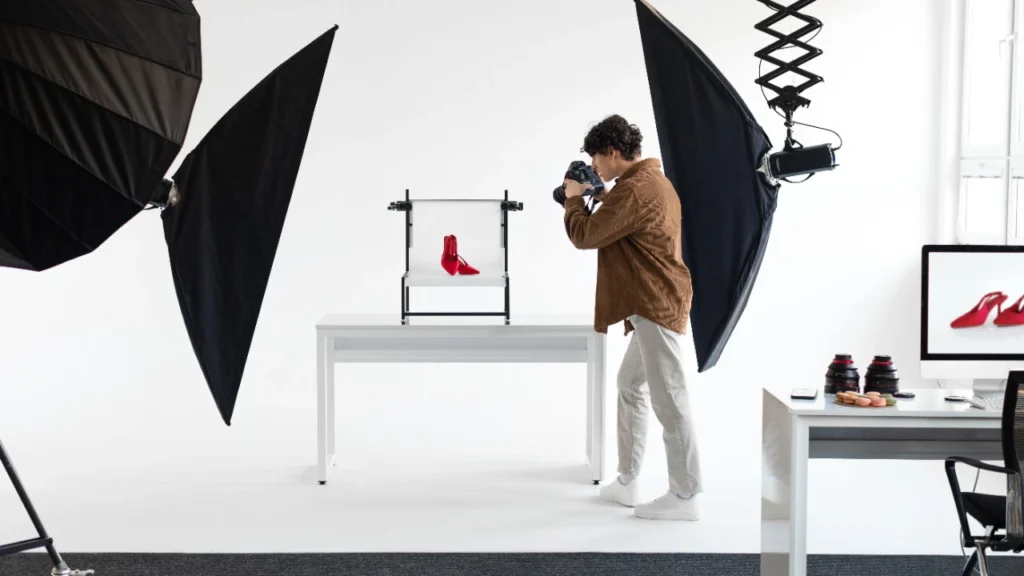
Taking photos is no longer just a hobby, even though there are still many hobbyist photographers. Today, photography is less of a pastime and more of a continuously growing industry.
Within the vast world of photography, many professionals choose product photography as their specialized niche. The demand for product photography is rapidly increasing across businesses of all types.
There are several reasons why individuals pursue product photography. One of the main reasons is that it offers a rewarding career with rising demand in the commercial sector. The commercial applications of photography are not only impressive but also highly competitive.
Here’s a look at why you should consider becoming a product photographer and why choosing this niche can be the right career decision for you.
Taking photos is no longer merely a hobby. While countless hobbyist photographers still explore photography for leisure, the field has evolved far beyond casual interest. Today, photography functions as a thriving industry with substantial commercial significance. The opportunities for talented individuals have grown exponentially, and photography is increasingly seen as a professional career rather than just a pastime.
Within the broad spectrum of photography, one area that stands out is product photography. This specialized niche has seen a tremendous rise in demand across businesses worldwide. Companies, from small eCommerce shops to large corporations, rely heavily on high-quality product images to showcase their offerings, attract customers, and drive sales. This reliance makes product photography an essential and rewarding career choice.
Here’s a closer look at why choosing product photography can be a smart and strategic decision for anyone pursuing a photography career.
Key Factors Influencing Product Photography with Low medium and High Pricing
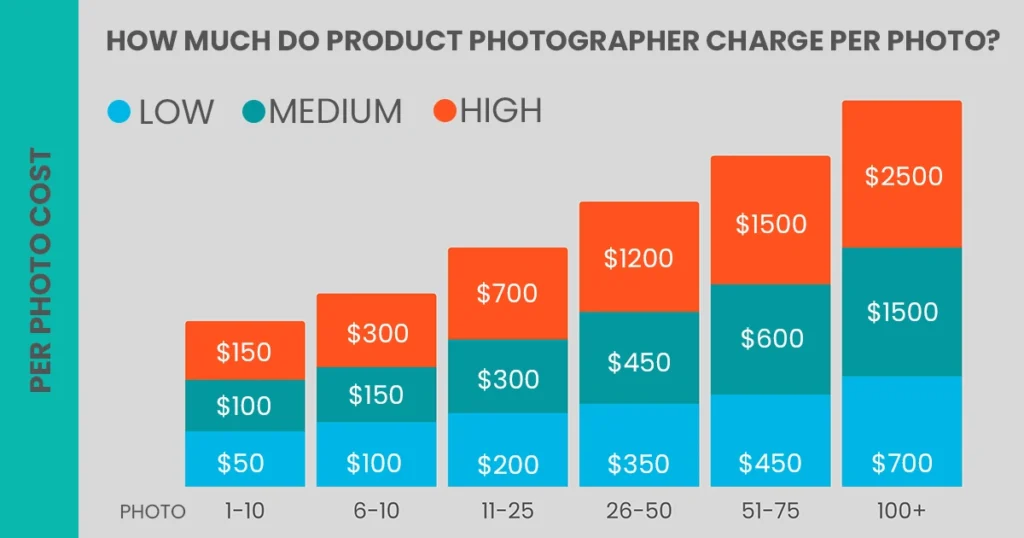
Determining how much to charge for product photography in 2026 depends on multiple variables. Understanding these factors will allow photographers to create pricing structures that are both competitive and sustainable.
1. Type of Product
Different products require different levels of effort and expertise. For instance, photographing jewelry or cosmetics often demands macro photography, precise lighting, and advanced post-processing to capture fine details and reflections. Electronics, furniture, and clothing may involve complex setups, props, and multiple angles. Photographers should assess the intricacy of the product and the time required for setup, shooting, and editing before setting their prices.
2. Number of Products and Images
The total number of products and images per product significantly affects pricing. Some clients require multiple angles, lifestyle images, or variant shots for each product. For instance, photographing a single t-shirt may include front, back, and detailed close-ups, while a larger inventory may involve hundreds of products with multiple images per item. Offering tiered pricing packages based on the number of products and images can help streamline client expectations and ensure photographers are adequately compensated.
3. Shooting Style and Complexity
The style of photography also plays a critical role in pricing. Product images can range from simple white background shots to elaborate lifestyle or editorial setups. White background product photography typically requires fewer resources and less time, while lifestyle photography may involve model hiring, location scouting, props, and advanced lighting setups. Photographers should adjust their rates according to the level of complexity, ensuring that elaborate shoots reflect the additional effort and expertise required.
4. Experience and Expertise
One of the most significant factors in pricing is the photographer’s experience and reputation. Seasoned photographers with years of experience, specialized skills, and a strong portfolio can command higher rates compared to beginners. In 2026, clients increasingly seek professional photographers who not only capture images but also understand branding, composition, marketing psychology, and eCommerce optimization. Investing in skill development and showcasing previous high-quality work can justify premium pricing.
5. Location and Market Demand
Geography and local market conditions influence pricing strategies. Major metropolitan areas with a high concentration of eCommerce businesses and affluent clientele often support higher rates compared to smaller towns. Moreover, the rise of remote collaborations and online marketplaces has created opportunities for photographers to expand their client base globally. Conducting market research to understand local pricing trends, competitor rates, and client expectations is essential for positioning your services effectively.
6. Post-Processing and Editing
Post-production is an integral part of product photography, particularly in 2026 where clients demand flawless images suitable for websites, advertisements, and social media campaigns. Retouching services such as background removal, color correction, shadow creation, skin smoothing, and enhancing product details require both skill and software expertise. Photographers should factor in the time and resources needed for post-processing when determining their rates. Agencies like Cutout Partner demonstrate how professional retouching can elevate images to a premium standard, thereby justifying higher pricing.
7. Usage Rights and Licensing
Another crucial aspect of pricing is the intended usage of the images. Pricing for commercial use, advertising campaigns, or exclusive rights differs from images intended for small-scale eCommerce listings. Photographers should clearly define licensing terms, including whether the client will have unlimited use, exclusivity, or time-bound usage. Properly structuring licensing agreements protects the photographer’s intellectual property and ensures fair compensation based on the image’s intended reach and purpose.
Common Pricing Models in Product Photography
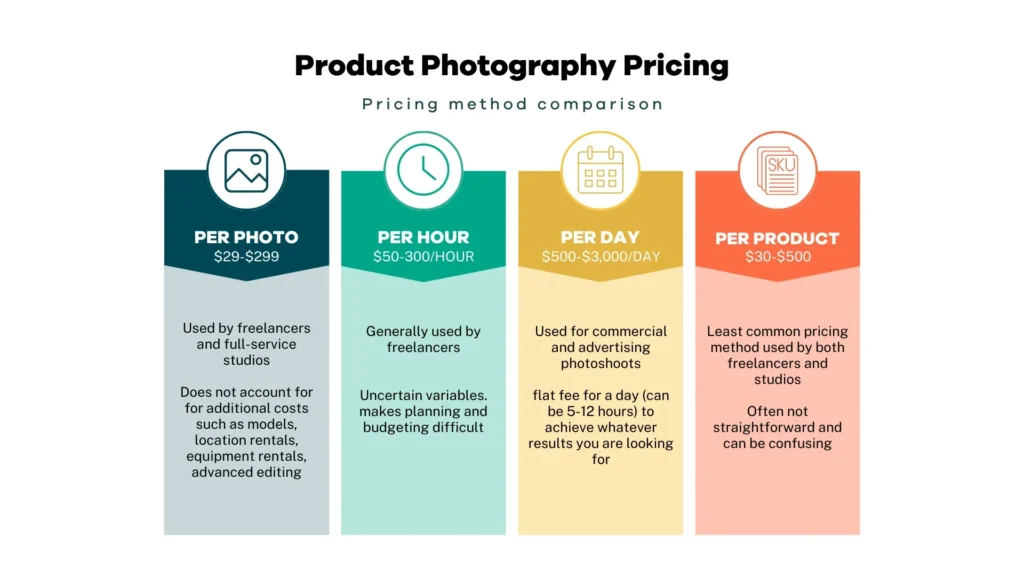
How Cutout Partner Delivers Perfectly Edited Product Photography
Cutout Partner delivers perfectly edited product photography by combining technical precision, creative expertise, and a full suite of core photo editing services tailored for eCommerce Photo editing and commercial use. Their process starts with professional clipping path services, ensuring accurate background removal and clean edges that make products stand out clearly on any platform. Through advanced eCommerce photo editing, they enhance colors, correct lighting, and maintain consistency across product catalogs to meet marketplace requirements.
Their expert photo retouching services remove dust, scratches, wrinkles, and other imperfections while preserving natural textures and true product details. Cutout Partner also provides shadow and reflection creation, ghost mannequin effects, image resizing, and optimization to ensure products look realistic, polished, and ready for online stores, advertisements, and catalogs. With strict quality control, fast turnaround times, and scalable solutions, Cutout Partner consistently delivers high-quality product images that strengthen brand identity, build customer trust, and drive higher conversion rates.
Understanding common pricing models helps photographers choose the most suitable approach for their business and client needs.
1. Hourly Rate
Charging by the hour is a straightforward method suitable for short-term projects or clients who require flexible shoot durations. Hourly rates typically range from $50 to $250 per hour, depending on experience, complexity, and location. This model works well for product photography sessions that may vary in duration due to unforeseen challenges or last-minute changes.
2. Per Product or Image Rate
Many photographers prefer charging per product or per image, especially for eCommerce businesses with large inventories. This approach provides clarity for clients and allows photographers to estimate project scope accurately. Rates vary widely based on the product type, complexity, and editing requirements. For simple white-background shots, rates may range from $10 to $50 per image, while complex lifestyle images can range from $100 to $500 or more per image.
3. Flat Project Rate
Flat project pricing involves quoting a total cost for the entire project, regardless of the number of hours worked. This model is suitable for clients who require a comprehensive package of images with defined deliverables. Flat rates can include a combination of photography, post-processing, licensing, and delivery. This approach encourages efficiency while providing clients with predictable costs.
4. Retainer or Subscription Model
For businesses with ongoing product photography needs, offering retainer or subscription-based services can be mutually beneficial. Monthly retainers provide a stable income for photographers while ensuring clients have consistent, high-quality content. Retainers may include a set number of products, images, or hours per month, and often include discounted rates for bulk work.
Pricing Examples for 2026
To give photographers a clearer understanding of the current market, here are some estimated pricing ranges for product photography in 2026 based on various factors:
- Basic White Background Product Shots: $10–$50 per image, suitable for small eCommerce businesses or startups with limited budgets.
- Mid-Range Product Photography (Multiple Angles or Simple Lifestyle Shots): $50–$200 per image, ideal for growing brands requiring professional yet cost-effective visuals.
- High-End Product Photography (Complex Lifestyle, Editorial, or Jewelry Photography): $200–$500+ per image, reflecting advanced skills, elaborate setups, and premium retouching.
- Hourly Rate: $50–$250 per hour depending on experience, equipment, and complexity.
- Flat Project Rate: $500–$10,000+ depending on project size, number of products, images, and post-processing requirements.
These pricing ranges are indicative, and photographers should adapt them according to their expertise, client expectations, and market dynamics.
Tips for Setting Your Product Photography Rates
Setting fair and competitive rates requires careful consideration of various factors. The following strategies can help photographers in 2026:
1. Calculate Costs and Overheads
Before setting rates, photographers should calculate all expenses including equipment, software, studio rent, props, travel, and post-processing time. Incorporating overhead costs ensures that pricing is sustainable and profitable.
2. Understand Client Value
Consider the client’s business size, revenue potential, and the impact of high-quality images on sales. Premium clients may be willing to pay more for images that significantly enhance their brand image and conversion rates.
3. Offer Packages and Customization
Providing tiered packages with varying levels of service, image quantity, and post-processing options allows clients to choose according to their budget and needs. Custom packages can address specific project requirements while maintaining transparency in pricing.
4. Communicate Clearly
Clearly outline what your pricing includes, such as number of images, post-processing, licensing, and delivery timeline. Transparent communication prevents misunderstandings and builds client trust.
5. Review and Adjust Regularly
Pricing should be periodically reviewed to reflect changes in market trends, inflation, skill improvement, and business growth. Adjusting rates ensures that your services remain competitive and profitable over time.
Explore More Another Resources
- How to Choose the Best Camera for Photography
- When Were Cameras Invented? A Complete Timeline
- Best 3 Point Slinger For Camera On Professionals
The Role of Professional Retouching Services
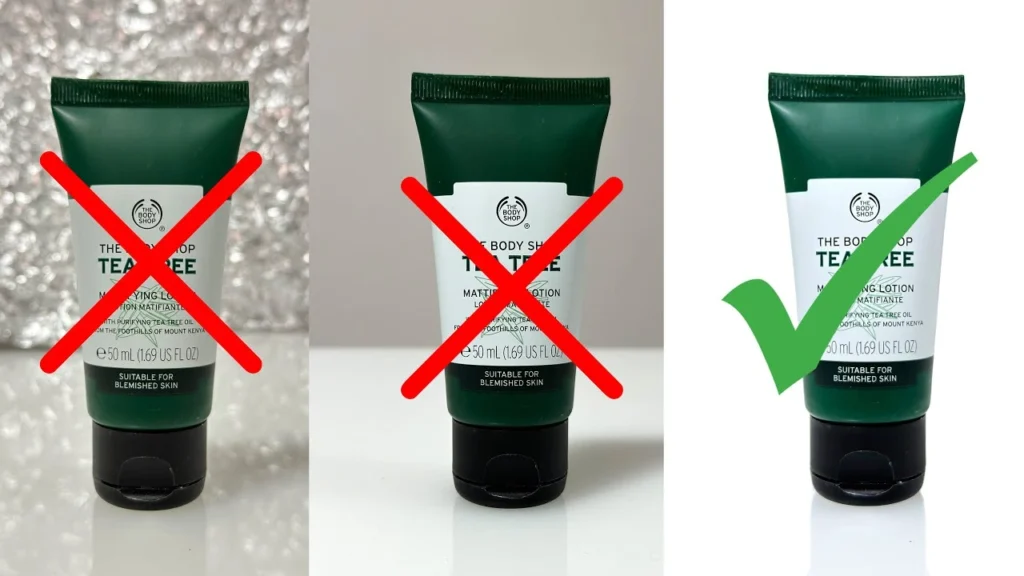
In 2026, professional retouching is an inseparable part of high-quality product photography. Services like Cutout Partner offer expert retouching, including background removal, color correction, shadow creation, and flawless image refinement. Incorporating retouching into your pricing or collaborating with specialized agencies can enhance the final product quality, making images more appealing to clients and end consumers. Retouching not only saves time but also ensures consistency, professional aesthetics, and higher client satisfaction, which justifies premium pricing.
Conclusion
Pricing product photography in 2026 is a complex yet manageable process when approached strategically. Photographers must consider multiple factors including product type, complexity, post-processing requirements, licensing, experience, and market demand. Utilizing flexible pricing models, offering packages, and collaborating with professional retouching services like Cutout Partner can help photographers deliver exceptional value while ensuring fair compensation. By understanding industry standards and evaluating client needs, Professional photographers can confidently set competitive rates, maintain profitability, and establish themselves as reliable partners for businesses aiming to elevate their product presentation.
The future of eCommerce continues to emphasize the importance of high-quality visual content. As businesses increasingly recognize the direct impact of professional product photography on conversions, photographers who establish fair, well-researched pricing structures and maintain consistent quality will enjoy sustainable growth and a strong market presence in 2026 and beyond.
You might also read this relevant article👇
- Best & Affordable Clipping Path Service Provider
- How to Choose the Best Photo Retouching Company
- Photoshop Services Near Me: Why Choose Cutout Partner
- Cutout Partner: Expert Photo Editing Services for eCommerce
FAQs on Product Photography Pricing Guide – How Much Should You Charge
1. What factors affect product photography pricing?
Key factors include: product type, number of products, image complexity, location, props, post-processing/editing time, and client requirements.
2. Should I charge per image or per hour?
Both models are common. Per-image pricing works well for straightforward shoots, while hourly or day rates suit complex shoots or projects with varying requirements.
3. How do I price eCommerce product photography?
eCommerce product photography often uses tiered pricing per product: e.g., basic images, lifestyle images, or 360° spins. Editing time should be included in your pricing.
4. How do professionals calculate their rates?
Professional photographers often calculate costs by adding: equipment costs + studio expenses + shooting time + post-production + profit margin.
5. Are there standard rates for product photography?
While rates vary globally, average rates in the U.S. range from $50–$150 per product image for standard eCommerce photos, with lifestyle or complex shoots costing more.
6. How much should I charge for a product photography package?
Packages usually include a set number of images, optional editing, and sometimes multiple setups. Prices vary from $200–$2,000 depending on the number of images and services included.
7. How does product complexity affect pricing?
Complex products requiring special lighting, intricate setups, or advanced retouching justify higher rates due to increased time and skill required.
8. Should I offer discounts for bulk orders?
Yes, bulk orders often get discounted rates per image. This is common for eCommerce stores ordering hundreds of product photos.
9. How can I make sure my pricing is competitive?
Research local market rates, consider your experience level, and factor in your costs and desired profit margin. Providing high-quality examples can justify premium pricing.
10. Do I need to include post-processing in my pricing?
Always include editing time. Retouching, background removal, color correction, and image optimization can significantly increase the time per image.
11. How do location and studio fees affect pricing?
Shooting on location may incur travel and setup costs. Studio shoots may include rental fees. These should always be factored into your rates.
12. Can I charge differently for small vs. large businesses?
Yes. Larger businesses often have bigger budgets and more complex needs, which can justify higher rates than small startups or individual sellers.
13. Should I provide a pricing menu or custom quotes?
Both approaches work. A pricing menu attracts clients quickly, but custom quotes allow flexibility for unique projects and bulk orders.
14. How can I increase my product photography rates?
Gain experience, build a strong portfolio, specialize in niche products, offer premium editing services, and showcase the value of your work to clients.